A Dream Vacation on Hold
The Johnson family had been looking forward to spring break in Europe for months. Lisa and Mark had saved for the trip, meticulously planning every detail: the Eiffel Tower in Paris, the Roman Coliseum, and endless gelato along the Amalfi Coast. Yet, as their travel date approached, the enthusiasm began to morph into uncertainty, catalyzed by whispers about rising prices and shifting currency values.
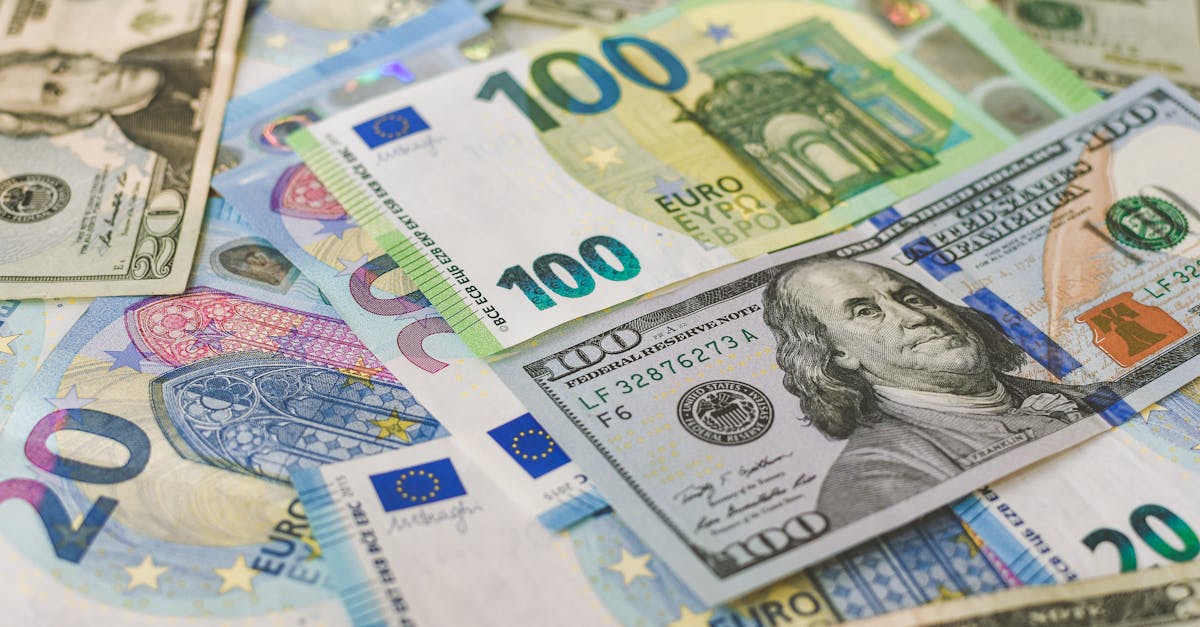
As they eagerly checked the latest travel deals, Mark noticed something unsettling. The dollar, once strong against the euro, had slipped. What felt like yesterday’s bargain at 1.10 dollars to 1 euro now hovered closer to 1.15. Each euro spent in Europe represented not just a cultural experience, but a tangible hit to their budget—an additional 5% increase in costs, squeezing the holiday fun.
Currency Fluctuations and Family Budgets
The exchange rate is more than just numbers on a screen; it’s a direct reflection of economic health. In the backdrop of the Johnsons’ travel plans, the U.S. economy has been wrestling with inflation rates shifting the ground beneath consumers’ feet. As of early March, inflation was reported at 3.3%, a number that can feel daunting to families trying to stretch every dollar. This rise has pushed the cost of goods and services upward, forcing families to reevaluate their discretionary spending.
To put it into perspective, imagine introducing this into the Johnsons’ budget: a meal that would cost, say, $60 at a quaint café now factors in a competitive price increase due to the less favorable dollar-to-euro exchange. With the dollar weakening, a similar meal might cost them around $63, leaving them grappling with whether to indulge in that extra dessert or simply share a single dish.
The Ripple Effect of Exchange Rates
This deluge of financial information runs parallel to other unsettling numbers resonating in the U.S. economy: unemployment resting at 4.3% and interest rates holding steady at 3.64%. These indices shape the realities of everyday Americans, like the Johnson family, whose dreams hinge on factors often out of their control.
When inflation is high, consumer spending slows as people become more cautious with their hard-earned money. Families begin to prioritize essentials over luxuries, which in turn affects businesses. As fewer people embark on overseas vacations, hospitality firms, airlines, and travel agencies experience a downturn. Some might even consider lowering prices just to attract the more financially conservative traveler.
For the Johnsons, this means rethinking their plans; perhaps a nearby adventure or a beach trip stateside becomes a more appealing option than investing in an uncertain international trip. They’re not alone—the sparing nature of American families contributes to the broader economic picture, driving companies to adjust their offerings based on spending habits influenced by currency rates and inflation.
Navigating the Currents of Global Trade
What fascinates me is how interconnected these elements are. The Johnsons’ decision to swap their flight for a car trip echoes larger patterns of fiscal caution that extend into the global marketplace. Every dollar spent on travel reflects the intricate webs of imports and exports, where exchange rates dictate the balance of trade. A weaker dollar might buoy American exports by making them cheaper for foreign buyers, but for families like the Johnsons, it strains their travel ambitions.
Bringing It All Back Home
With their vacation on shaky ground, the Johnsons settled around the dinner table to discuss alternatives. In an unpredictable economy, where exchange rates fluctuate like tides, aspirations for adventure have to be measured against realities on the ground.
As they weighed their options, it was clear that their holiday was merely a microcosm of broader economic trends. In the end, the family decided to explore nearby national parks, transforming their travel dilemma into a chance for closer connections, proving that perhaps the best journeys are not just about the destination, but the experiences along the way. And as they planned a new itinerary, the invisible hand of exchange rates continued to influence their everyday lives, reminding them that financial landscapes shape even the most personal of experiences.