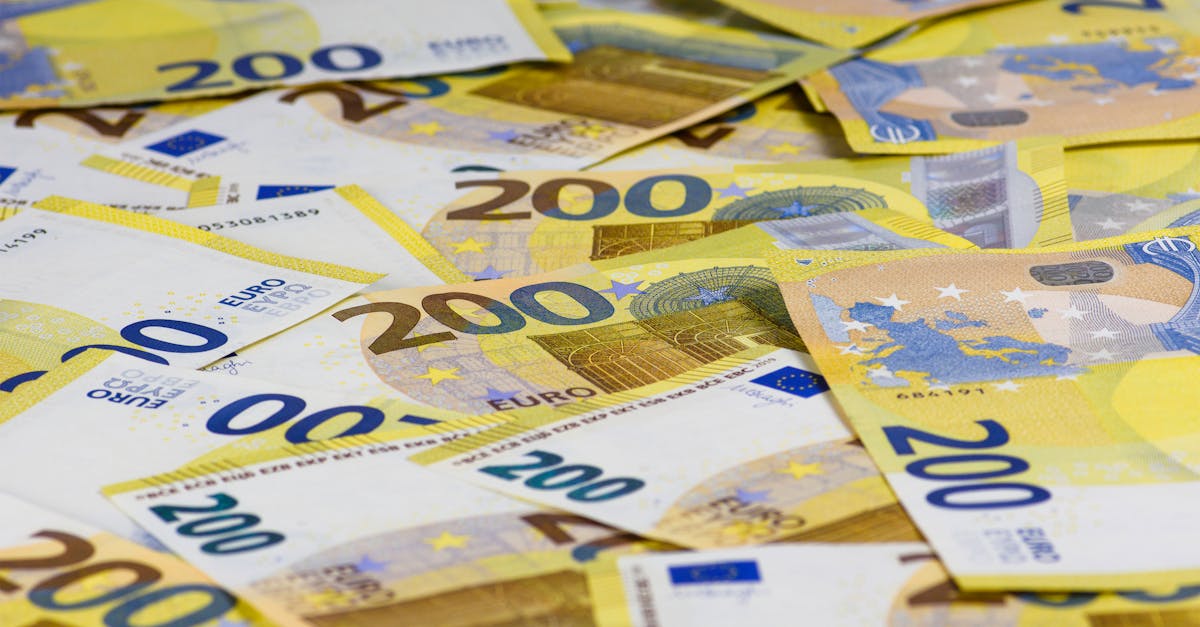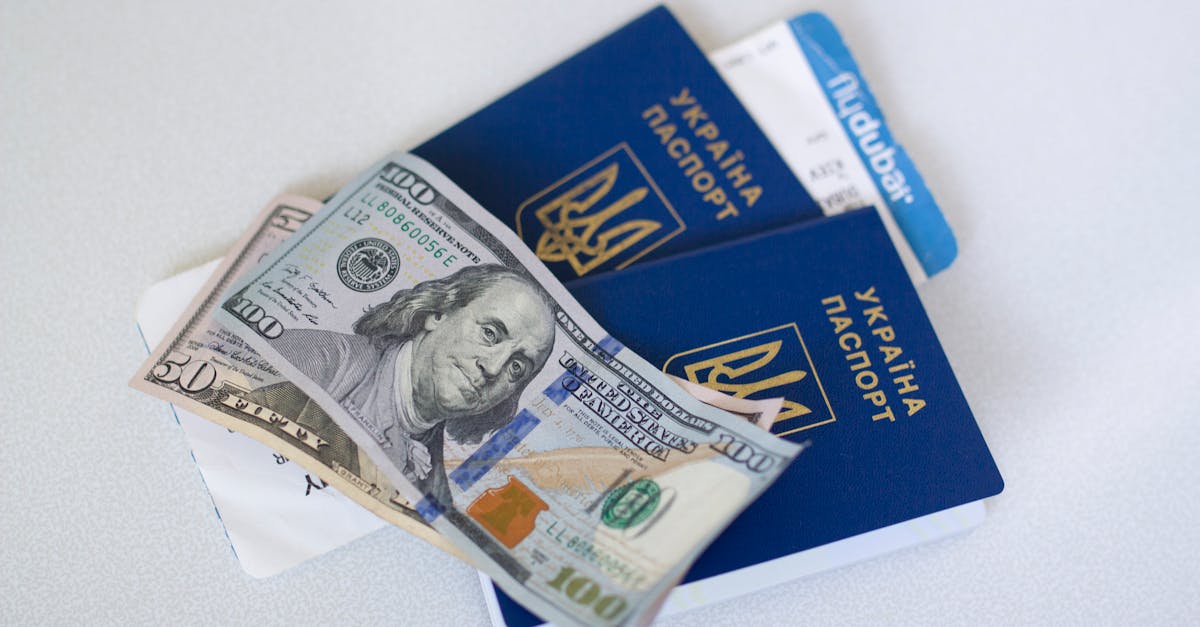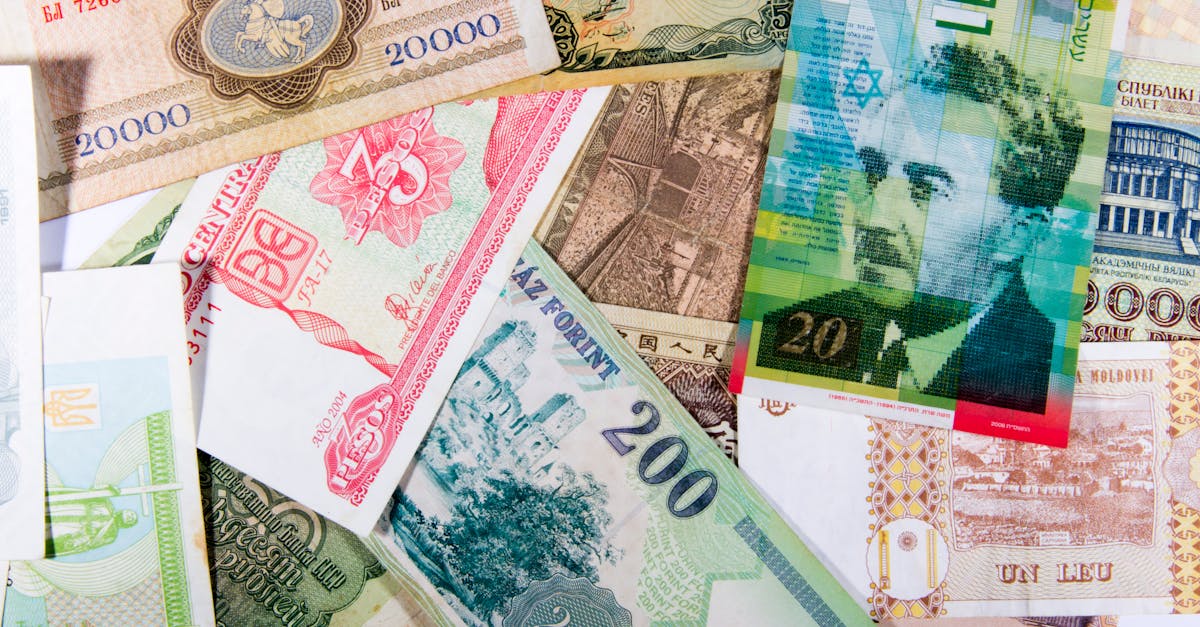
When the Johnson family decided to travel to Europe this summer, they envisioned savoring fresh pasta in Italy, exploring the colorful markets of Barcelona, and soaking in the sights of Paris. Yet, the excitement of planning their dream vacation quickly turned into a deep dive into the world of currency exchange. As they checked the current euro-to-dollar exchange rate, it was a harsh reality: $1 could buy them only €0.92. The difference in purchasing power was stark, and it was a shocking beginning to their journey.
With inflation running at 4.2%, the prices were already increasing for many goods back home in the U.S. As they grappling with changing prices at the grocery store and rising costs of daily expenses, this new exchange rate added to their travel anxiety. For every meal they planned in euros, they wondered how much they would have to save. Their once-affordable trip now felt like a luxury.
The Ripple Effect of Exchange Rates
As the family calculated their budget, they stumbled upon the concept of purchasing power parity. Imagine that their historical travel budget of $5,000 would now buy 25% less in Europe due to the weaker dollar. This means that the lavish dinner they envisioned might end up being a simple sandwich. How would that feel?
Meanwhile, the global business climate was pulsating with changes of its own. The exchange rate is never a silent player; it plays a significant role in the decisions made by firms. A U.S. exporter, for instance, might find that their shipments to Europe, priced in dollars, become more expensive for European buyers as the dollar strengthens. This translates to potentially lower sales volumes.
Conversely, a local business importing goods from Europe would benefit from a favorable exchange rate, bringing in products at a lower cost than before. In this puzzling dance of profits and expenses, companies must constantly adjust their pricing strategies to reflect fluctuations in currency values.
Personal Repercussions in a Global Economy
As the Johnsons prepared to leave, they pondered the broader implications of exchange rates. High unemployment rates of 4.3% in the U.S. further affected consumer confidence, limiting spending power both at home and abroad. For many families, a vacation isn’t just a getaway; it’s a chance for leisure that adds meaning to a year of hard work.
Consider the worker on Capitol Hill who juggles rising living expenses against a stagnant paycheck. With interest rates hovering at 3.63%, saving for a family trip feels like a distant dream as each month yields a lower real interest return. The Johnsons, like countless Americans, represent the challenges faced by many trying to navigate both global market dynamics and local economic pressures.
A Homecoming Reflection
Upon their return from a trip that was at once thrilling and financially sobering, the Johnsons sat around the dinner table. They discussed their experiences relating not just to memorable views and flavors but also to the tangible costs they felt year after year. The exchange rate, often an invisible thread in the fabric of international relations, had transformed their journey.
They discovered the intricacies of pound-to-dollar dynamics, euro conversions, and the press of inflation all beginning to intertwine. In the end, their once simplistic dream of travel had morphed into an intricate financial quilt—full of lessons about buying power, local economies, and the far-reaching implications of a fluctuating currency.
As their conversation digressed into a tapestry of memories, they realized their travel budget wasn’t just about euros, pounds, or dollars; it was a lesson in navigating the global economy, something seemingly distant yet intimately felt in every dollar spent.