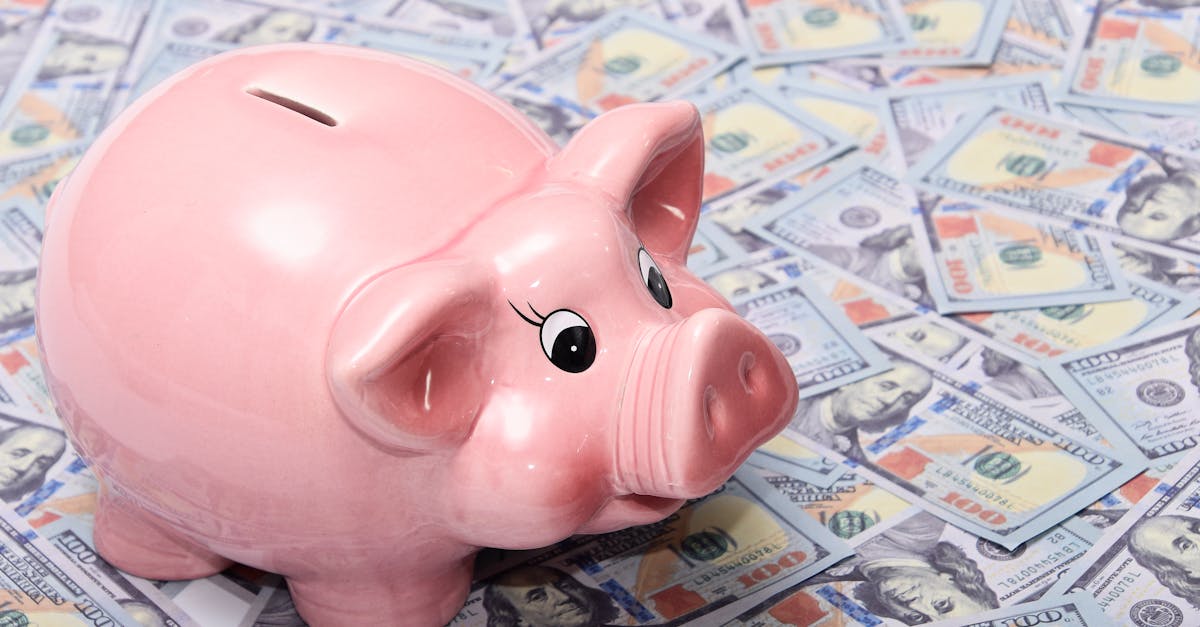
A Stark Reality: Savings Rates Plummet
American households have seen their savings rates decline dramatically, plummeting to levels not witnessed since before the pandemic, with the most recent figures indicating a savings rate of just 3.4%. In comparison, savings rates soared to nearly 20% during the height of COVID-19, proving how dramatically economic conditions can impact consumer behavior.
Inflation: The Silent Eroder
Inflation, now at 4.2%, is relentlessly chipping away at households’ purchasing power, tightening the grip on discretionary spending. This rate represents a significant rise from the post-pandemic lows, and families are feeling the pinch. According to data from the Bureau of Labor Statistics, essential expenses—like housing, healthcare, and food—consume more of household earnings, squeezing the amount leftover for savings.
Unemployment: A Mixed Picture
Simultaneously, the employment landscape presents a paradox. With unemployment at 4.3%, job security appears robust. However, real wages have stagnated, meaning that while more Americans are employed, they’re not necessarily better off financially. The Fed’s last meeting hinted at an aggressive path to address inflation, putting further strain on those managing budgets.
Interest Rates: The Cost of Borrowing Rises
Compounding these challenges, interest rates have crept up to 3.63%. Higher borrowing costs discourage families from taking on loans for larger purchases, striking a blow to initiatives that could help boost savings in the long term, such as buying homes or investing in education. The Federal Reserve’s ongoing monetary tightening aims to rein in inflation, but for consumers, it translates into a more costly way to access credit.
Comparison with Global Counterparts
Internationally, America’s household savings rate lags behind several other advanced economies. For instance, Eurozone nations have generally maintained savings rates above 10%, reflecting a different consumer confidence and financial resilience in the face of rising living costs. As the global economic landscape shifts, the U.S. may need to rethink strategies for encouraging household savings, especially as inflationary pressures are expected to persist.
Forward to Tomorrow
However, it is essential not to overlook the adaptive nature of American consumers. As economic conditions evolve, households may find new avenues for savings, particularly as technology transforms financial connectivity and awareness. Embracing a more strategic approach to savings, especially in a landscape marked by uncertainty and shifting priorities, could well be the future of American financial health. Households managing to pivot through these challenges may ultimately turn today’s hurdles into tomorrow’s opportunities.