Consumer Spending: The Pulse of American Economic Resilience
$17.1 trillion — that’s the jaw-dropping total annual consumer spending reported by the Bureau of Economic Analysis in the latest revision. This figure not only underscores the sheer scale of American consumption but also reveals a vital role in driving growth amidst economic pressures like inflation, which currently stands at 4.2% according to the Bureau of Labor Statistics.
As of May, the U.S. economy is navigating a complex landscape where elevated prices are shaping how households allocate their budgets. Consumer expenditure, which comprises around two-thirds of U.S. GDP, became a critical focal point when adjusted for inflation. Despite higher prices, it appears consumers are prioritizing spending on essential goods while also indulging in experiences, like travel and dining out, indicating a nuanced response to financial pressures.
Consumer Priorities Shift Amid Inflation
A closer look at the breakdown of spending reveals that consumers are pivoting toward essentials in the face of rising prices. In the past year, expenditures on food jumped by 6%, and housing costs, including rent and utilities, are squeezing budgets as well, reflecting a shift in priorities. For many families, this has meant a tighter grip on discretionary income, compelling them to make tougher choices when shopping.
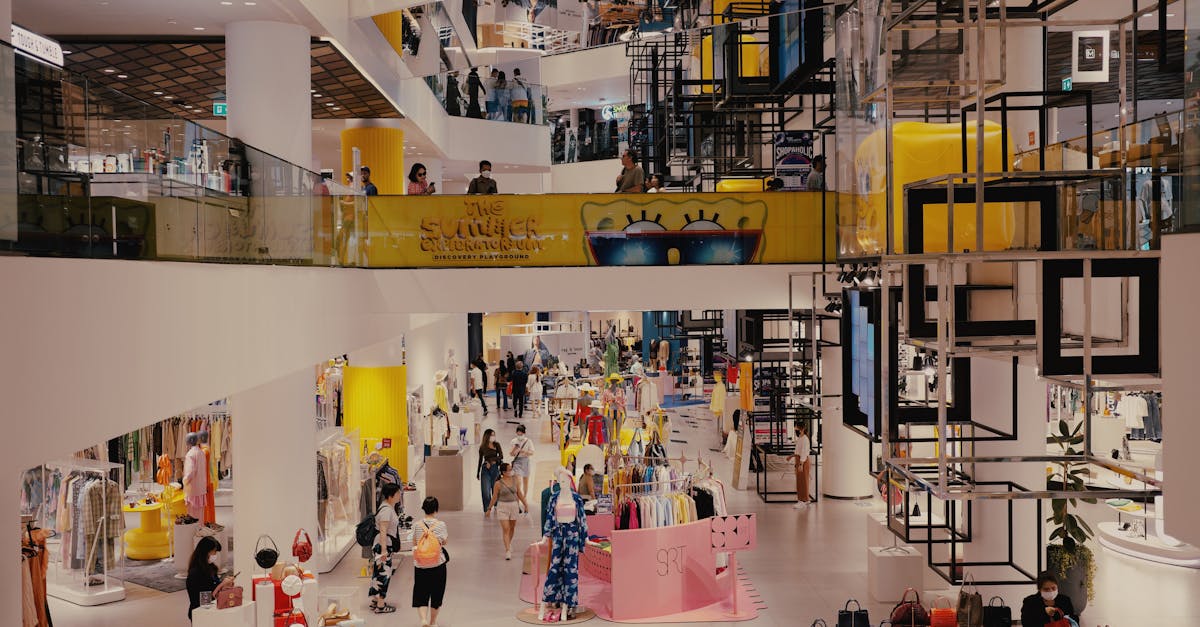
Subtle changes emerge when surveying the retail sector: e-commerce spending remains robust, but traditional brick-and-mortar stores have reported varied success. While the online retail sector embraces growth fueled by convenience and delivery options, local shops experience foot traffic declines as inflation pushes shoppers to be more selective.
Experiences vs. Goods
The juxtaposition of spending on services versus goods paints a vivid picture of consumer sentiment. As disposable incomes adjust, services such as travel and recreation surged 10% over the past year despite overall inflation. These choices reflect an underlying desire to reclaim the sense of normalcy lost during the pandemic — experiences take precedence over additional gadgets or clothing.
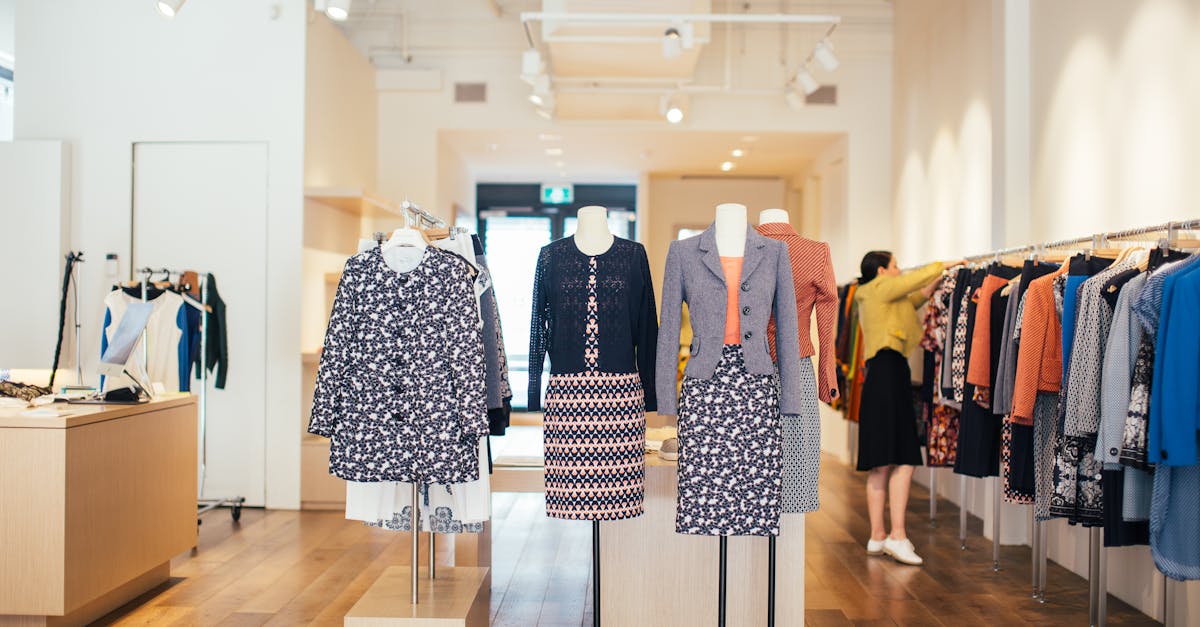
In the realm of discretionary spending, luxury goods have shown resilience, with revenue growth consistently outperforming the overall market. High-income households continue to drive spending in this segment, evidencing an unequal recovery that highlights a divide in economic resilience. For readers, this means that while your neighbor may curb spending on daily essentials, others are indulging, drawing a stark line in consumer behavior.
Long-Term Economic Implications
The divergent spending patterns underscore potential long-term ramifications for economic policy and growth strategies. As the Federal Reserve contemplates interest rates in reaction to inflation and spending trends, the central bank’s moves could redefine how consumers perceive their financial environment. With the current 4.2% inflation rate, discussions around controlling price increases are intensifying, hinting at either adjustments to borrowing rates or other measures.
Consumers need to remain vigilant about these shifts, as they could influence their borrowing costs, savings strategies, and overall financial outlook. A synchronously tightening monetary policy could lead to elevated costs for mortgages and loans, compelling families to rethink their long-term financial planning amid persistent inflation.
A Consumer-Driven Future
As the economy navigates these tumultuous waters, it becomes clear that consumer spending remains a vital indicator of economic health. For most households, refining budget choices will be an ongoing process, influenced by external economic factors and personal financial realities. Ultimately, the resilience of American consumers will play a pivotal role in shaping the recovery trajectory, one savings decision and spending choice at a time.