Dissecting the Current Landscape of U.S. Interest Rates
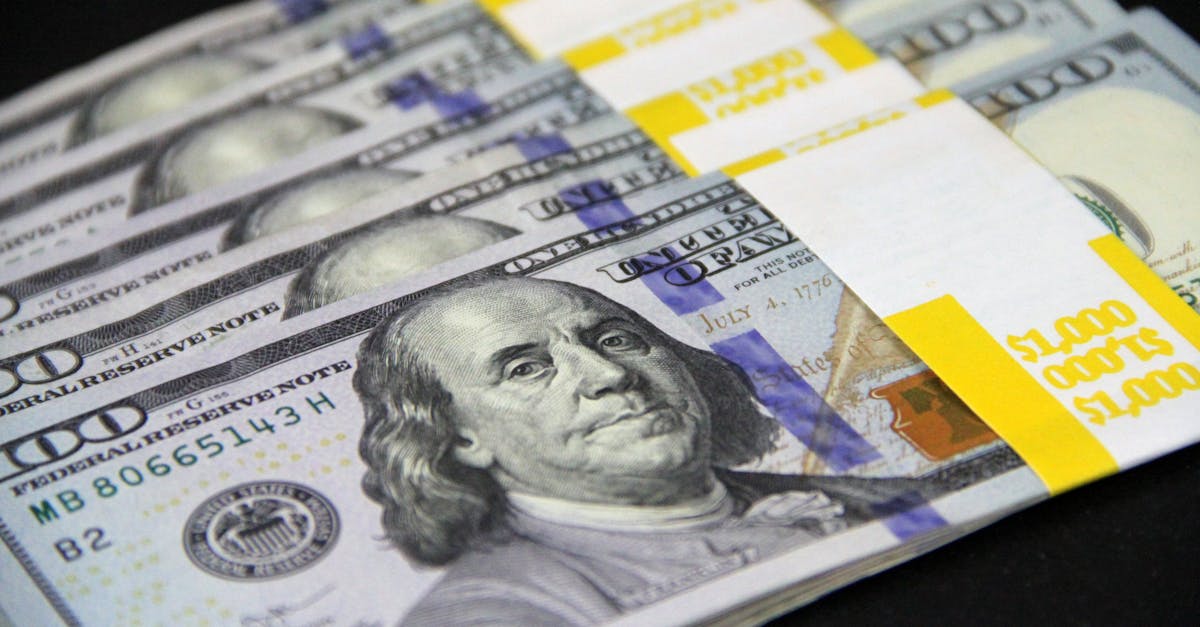
As of March 1, 2026, the Federal Reserve has set its benchmark interest rate at a relatively modest 3.64%. While this figure represents a stark increase from the zero-bound rates observed during the pandemic’s height, it remains competitive compared to a growing number of global central banks that have escalated their rates in response to inflationary pressures. Countries like Brazil and New Zealand have reached rates of 13.75% and 5.50%, respectively, showcasing a complex global monetary landscape that underscores divergent approaches to managing inflation and growth.
A Year Ago and Beyond: Contextualizing Change
This time last year, U.S. interest rates were sitting at 2.60%, giving rise to an understandable sense of urgency among policymakers as inflation persisted stubbornly at higher levels. In contrast, the rate trajectory saw a swift pivot, climbing over 1% within just twelve months—a move that encapsulated the Fed’s commitment to stabilizing prices after inflation rates spiked to 8.6% in mid-2022. Thus, today’s rate reflects a dramatic shift in monetary policy aimed at controlling prices, especially consumer goods, which still bear the remnants of pandemic-era disruptions.
Inflation Continues to Challenge Global Economies
Despite the current U.S. rate hovering below that of several other nations, inflation remains a pressing concern. The Bureau of Labor Statistics reported a year-over-year inflation rise of 4.2% in the U.S. as of February 2026, down from a peak of 9.1% observed in the summer of 2022, suggesting that monetary policy is gradually easing inflationary pressures. The Fed’s cautious approach has included hinting at a potential pause in rate increases, a strategic move intended to observe the full effects of the policy adjustments made over the last few years.
The Ripple Effects on Consumers and Businesses
For American consumers, interest rates directly influence borrowing costs, particularly affecting mortgages, auto loans, and credit card debt. The upward trend in rates has made borrowing more expensive, which typically cools consumer spending and slows down economic growth. Mortgage rates, for instance, have climbed well above 6%, leading to a slowdown in home sales and a cooling housing market—reflecting the Fed’s objective of achieving equilibrium in inflation and economic growth.
In corporate sectors, businesses are feeling the pinch as well. High-interest rates restrict access to cheap credit, prompting companies to rethink expansion plans or delay investments. The Conference Board’s Leading Economic Index, a barometer of future economic activity, has shown signs of deceleration, aligning with tighter monetary policy as firms become increasingly cautious in their economic planning.
The Global Dance: Coordination or Chaos?
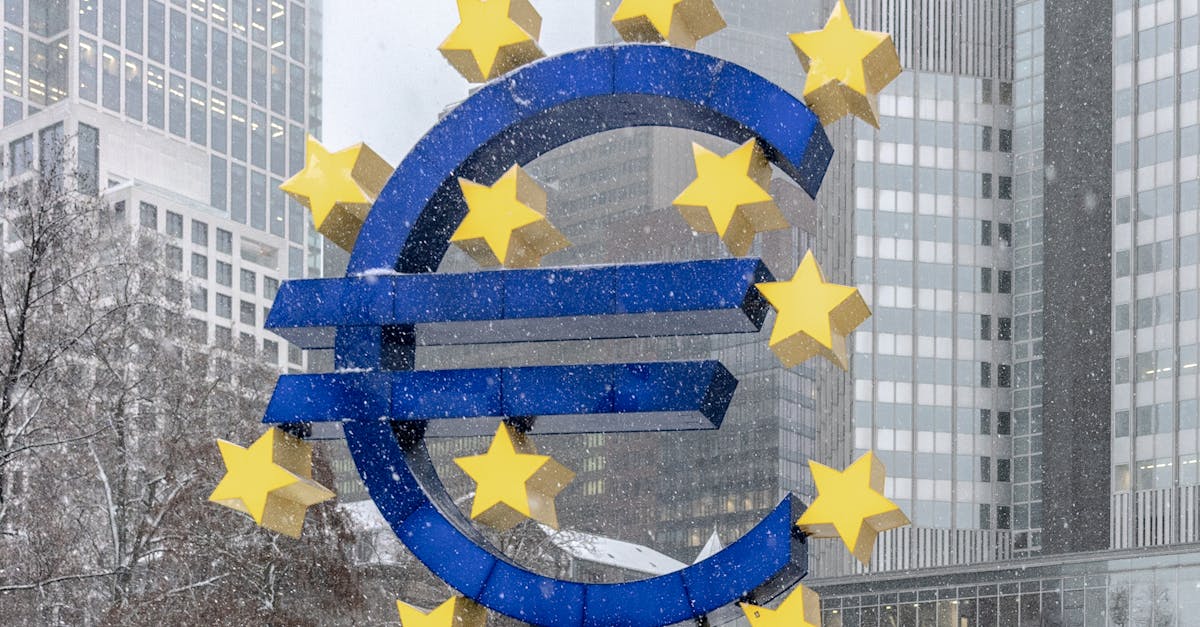
The interplay between U.S. interest rates and those of foreign nations presents a fascinating narrative. The European Central Bank has maintained a more aggressive stance, with interest rates currently around 4.00%. These contrasting monetary policies could lead to a stronger U.S. dollar, further complicating trade dynamics and global relationships. For instance, a stronger dollar renders U.S. exports more expensive for foreign buyers, potentially widening the trade deficit and impacting domestic manufacturers…
Peer Pressure in the Policy Arena
As interest rates rise internationally, the Fed faces peer pressure, albeit there is a cautious willingness to differ when necessary. Central banks worldwide are in a delicate balance—tightening monetary policy to stave off inflation while ensuring their economies do not tip into recession. The Fed’s path depends not only on domestic readings but on these global signals.
What’s Next for American Borrowers?
Expectations around future rate decisions will hinge on more than just domestic factors. Will the Fed maintain its current course, or pivot in response to shifting global dynamics? The uncharted waters of inflation management make forecasting increasingly intricate. As the economic intertwining continues, U.S. interest rates will remain a focal point, leaving borrowers and businesses to navigate an evolving financial landscape marked by both caution and opportunism.
Commitment and strategic thinking will remain indispensable as the Fed seeks a middle ground—a dance between inflation control and economic vitality—reflecting the uncertain yet critical nature of central bank policymaking.