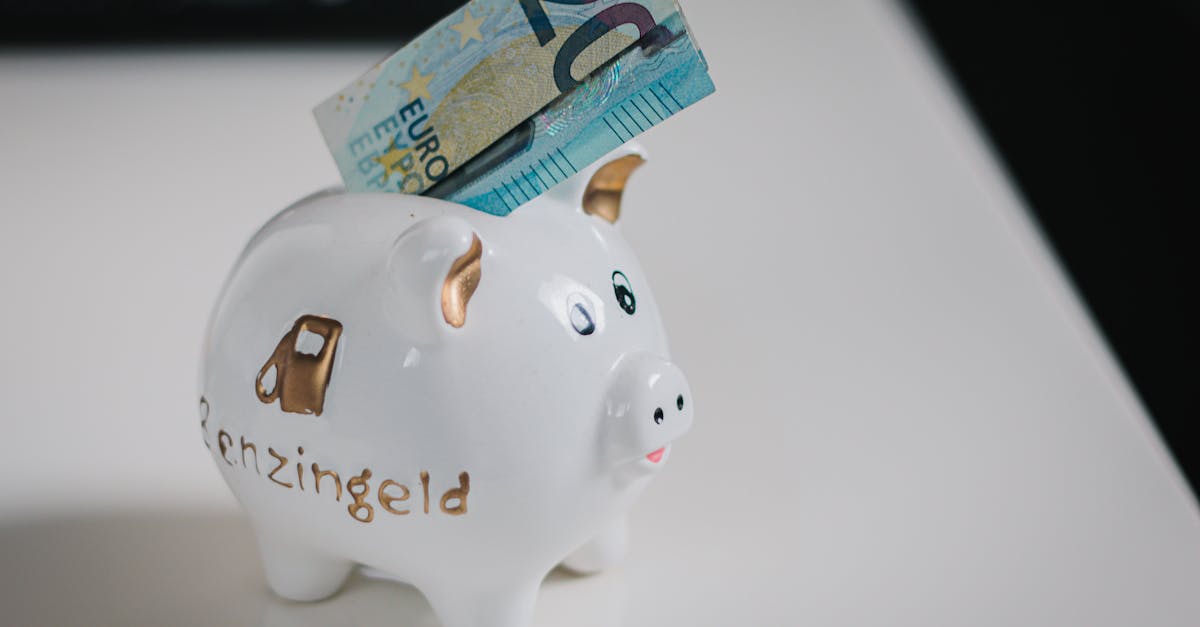
Skyrocketing Costs Squeeze Household Savings
American households have encountered a stark economic reality as savings rates have plummeted to historic lows, currently hovering around 3.7%. This sharp decline places U.S. consumers well below the OECD average of 10.3%, highlighting a significant gap as families grapple with rising inflation and shifting financial marketplaces.
The Inflation Impact
With inflation at 3.3%, many households find it increasingly challenging to maintain their savings. High prices for essentials such as groceries and fuel are forcing families to spend more of their income just to keep pace with daily expenses. The Consumer Price Index reflects these worries, with food prices alone surging by 4.2% over the past year. As purchasing power diminishes, families are compelled to dip into savings or forgo setting any aside altogether.
Unemployment and Economic Stability
The labor market, despite a reasonable unemployment rate of 4.3%, adds another layer of complexity. While recent trends show job availability, the quality and compensation of those positions often fall short of offsetting inflationary pressures. Many workers remain caught in a cycle where wages lag behind rising prices, further complicating the ability to save.
Rising Interest Rates: A Double-Edged Sword
Adding to this financial tightrope is the current interest rate of 3.64%. While higher rates may traditionally encourage savings by offering better returns, they simultaneously inflate the costs of borrowing. Families seeking mortgages or personal loans face steeper monthly payments, dissuading them from saving altogether. Rising rates may create an illusion of wealth for those with substantial savings, but the reality is stark for an average household: credit card debt and high-interest loans are becoming more prevalent.
Comparing Global Savings Habits
In light of international data, the American savings rate starkly contrasts with countries that prioritize savings as a primary financial strategy. For instance, countries like China boast a savings rate exceeding 25%. This global divergence underscores cultural and economic disparities, as American households now find themselves prioritizing short-term needs over long-term financial security.
The Pressure of Lifestyle Inflation
U.S. consumers are increasingly facing lifestyle inflation—a phenomenon where increases in income lead to an equivalent rise in spending. Many households succumb to the allure of upgraded living experiences, gadgets, and amenities, sacrificing savings for wants rather than needs. This behavior amplifies the risk of financial instability, particularly for families already on the edge of economic sufficiency.
The Road Forward: Adapting to Change
As inflation remains a constant drain on household finances and interest rates fluctuate, the route to effective savings may also shift. Economic models suggest strategies that focus on frugality and investment in quality over quantity could gain traction.
Rather than merely reacting to economic pressures, households may soon find themselves adopting a more innovative approach to finances. With the right mindset and tools, every penny can be reimagined as not just a part of a budget, but as a building block toward future stability.