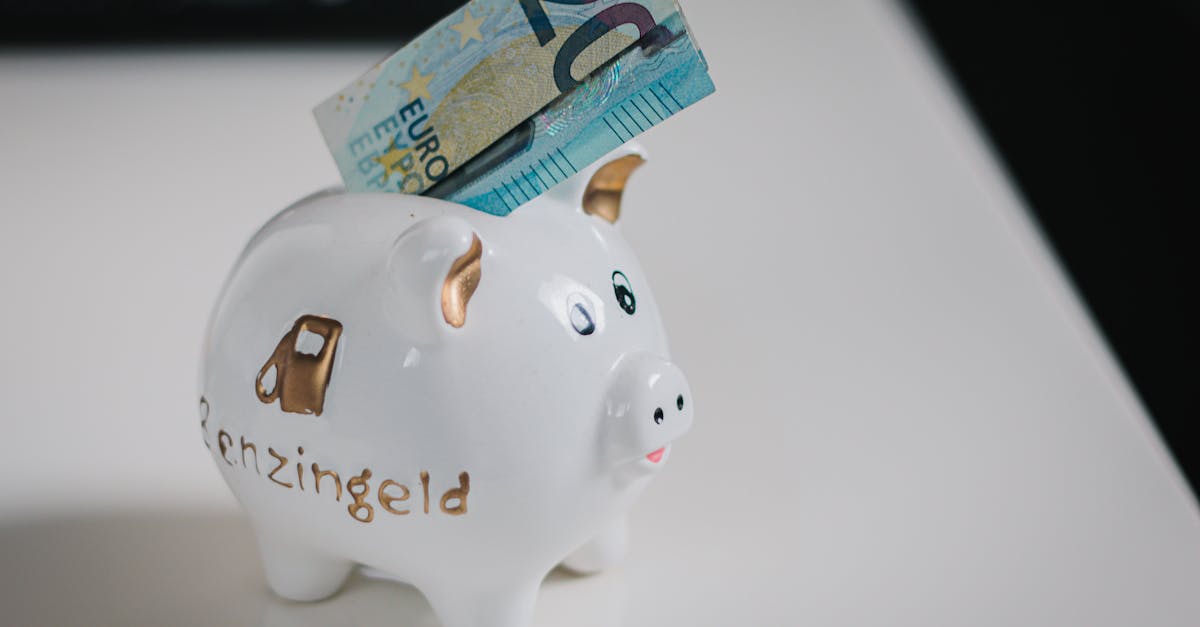
Recent numbers show that American households are increasingly feeling the pinch, with personal savings rates dropping to 4.4%, a stark decline from the pandemic-era highs of approximately 33%. This plunge highlights a sensitive balancing act as inflation hovers at 4.2%, significantly squeezing disposable incomes and raising questions about financial stability for many.
The Pressure of Inflation on Consumer Budgets
Consider the broader economic landscape: inflation at 4.2% translates into a distinct erosion of purchasing power for consumers. In contrast, countries like Germany and Canada exhibit more stabilized rates, clocking in around 1.8% and 2.5%, respectively. The disparity raises eyebrows when one observes that American consumers pay more for essentials like food and energy, forcing households to reconsider their savings strategies.
This is corroborated by the Bureau of Labor Statistics (BLS) data indicating a marked rise in the prices of essential goods. Food prices surged by 5%, contributing significantly to the financial strain felt by consumers. As households adjust their budgets, the impact trickles down into overall spending patterns.
Interest Rates: A Double-Edged Sword
Simultaneously, the Federal Reserve’s current interest rate stands at 3.63%. While in theory, higher rates could incentivize saving, the reality is somewhat different. Many households are grappling with increased costs of borrowing, making loans—especially for major purchases such as homes and cars—exceedingly burdensome. The weighted average interest rate on a 30-year fixed mortgage now exceeds 7%, further challenging potential homebuyers and dampening the housing market.
The ability to save is now more intertwined with individual circumstances than ever before, creating a mosaic of financial outcomes across various demographics. Families with tighter budgets are less likely to set aside funds for emergencies or future investments, as each paycheck may barely cover rising costs.
Job Market Stresses Financial Confidence
The job market’s ongoing recovery is also telling. As of the latest figures, the unemployment rate stands at 4.3%, showing some stability. Yet, this positivity is dwarfed by the uncertainty sparked by inflation and rising interest rates. Many workers remain hesitant about switching jobs, fearing that any newfound stability could vanish under economic pressures.
With household savings dwindling, the psychological toll cannot be understated. The ability to cope with unexpected expenses is now a significant concern for many households, fueling a cycle where immediate needs outweigh long-term financial goals.
A Crossroads of Financial Strategies
As households navigate this tumultuous financial environment, they face critical choices. Some are resorting to credit as a stopgap measure, while others are cutting back on discretionary spending in a bid to build up their savings. According to Fed data, credit card debt reached an all-time high, highlighting a concerning trend as families increasingly rely on borrowed money to bridge the gap created by stagnant earnings and rising costs.
The landscape is evolving rapidly, and while some may find opportunities amidst uncertainty, the overarching fear remains palpable. The interplay between savings, employment, and inflation creates a complex web for American households, prompting a reevaluation of financial priorities.
Balancing Act Ahead
As the nation edges further into an uncertain economic milieu, households must recalibrate their financial compasses. The Big Question looms: How will consumers adapt their savings habits in light of persistent inflation and fluctuating interest rates? With the stakes rising, every decision today could shape financial futures in unexpected ways.