Unpacking the Mystery: How Do Inflation Expectations Shape Economic Behavior?
Why do inflation expectations hold such sway over our economy? The interplay between these expectations, actual inflation rates, and consumer behavior offers a compelling narrative that shapes our financial landscape.
The Cause: Fluctuating Inflation Rates
Looking at recent data from the Bureau of Labor Statistics, inflation measured at 3.3% poses a fundamental question for American households. At the core of economic policy lies a complex relationship between inflation and the expectations consumers, businesses, and investors have about future price changes. When inflation rates rise, as they have, expectations can become unanchored, leading to a cycle of heightened uncertainty.
The Mechanism: Consumer Sentiment and Spending Decisions
High inflation expectations can lead consumers to adjust their buying behavior. For instance, when individuals believe that prices will continue to climb, they are likely to make larger purchases sooner rather than later to avoid paying more down the road. This anticipation can stimulate short-term economic activity. Businesses, in response, may also increase prices preemptively, which can ironically contribute to further inflation, creating a feedback loop.
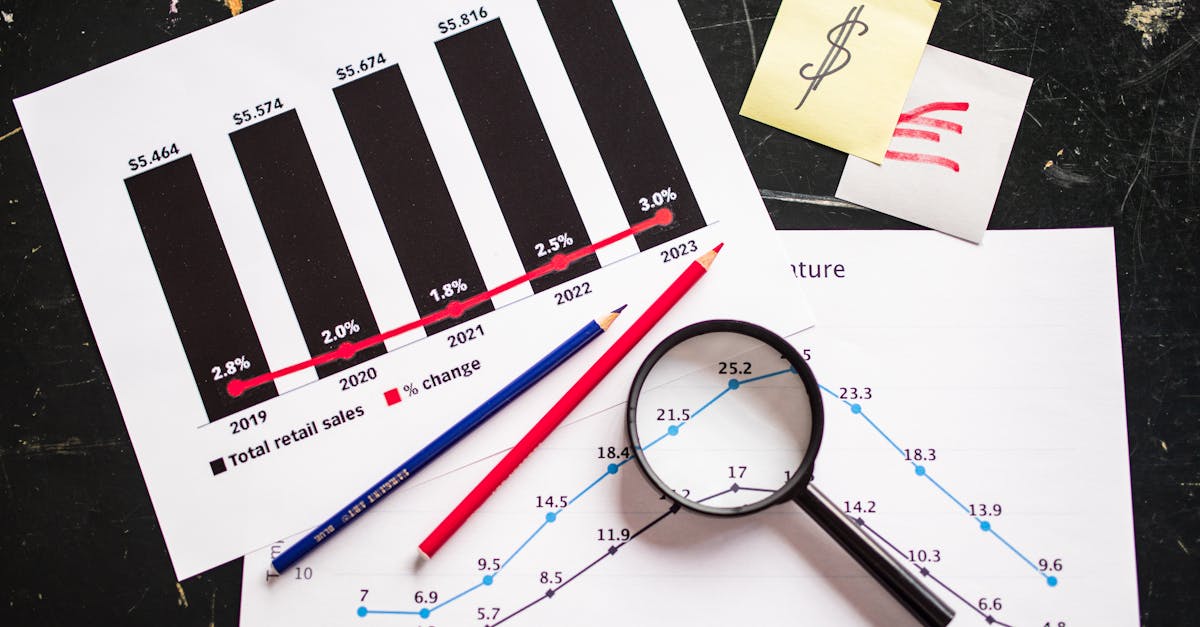
Consider the emotional aspect of this phenomenon. If consumers feel a sense of urgency to purchase goods now, it can lead to temporary spikes in sales for retailers, but later may result in slumps as households exhaust their budgets earlier in the year.
The Effect: Real People and Economic Discontent
For many Americans, especially those with fixed incomes, inflation translates directly into challenges in meeting basic needs. A steady inflation rate like 3.3% means that the purchasing power of a dollar declines over time, affecting grocery bills, healthcare costs, and housing expenses. This contributes to anxiety around everyday spending, as essentials become pricier.
Here’s a clear breakdown of how inflation expectations can affect daily life:
- Consumer Behavior: The urgency to buy now leads to altered spending habits, which can create temporary economic boosts but may sow seeds for later slowdowns.
- Savings Impact: Higher inflation diminishes the value of saved money, affecting long-term financial planning for families.
- Business Strategies: Companies may face pressure to raise wages to attract and retain employees as workers demand more income to keep up with rising costs.
Navigating Forward: What to Watch
As policymakers grapple with these dynamics, monitoring the sentiment indexes that gauge inflation expectations will be paramount. Tools like the University of Michigan Inflation Expectations Index or the Federal Reserve’s own assessments will offer insights into how American consumers perceive future price trends.
Looking ahead, any shifts in these expectations could significantly influence Federal Reserve actions regarding interest rates. A delicate balance will be required to anchor expectations while managing the current inflation rate. In an era where economic anxieties influence daily decisions, being attuned to these expectations may provide vital clues into America’s economic trajectory.