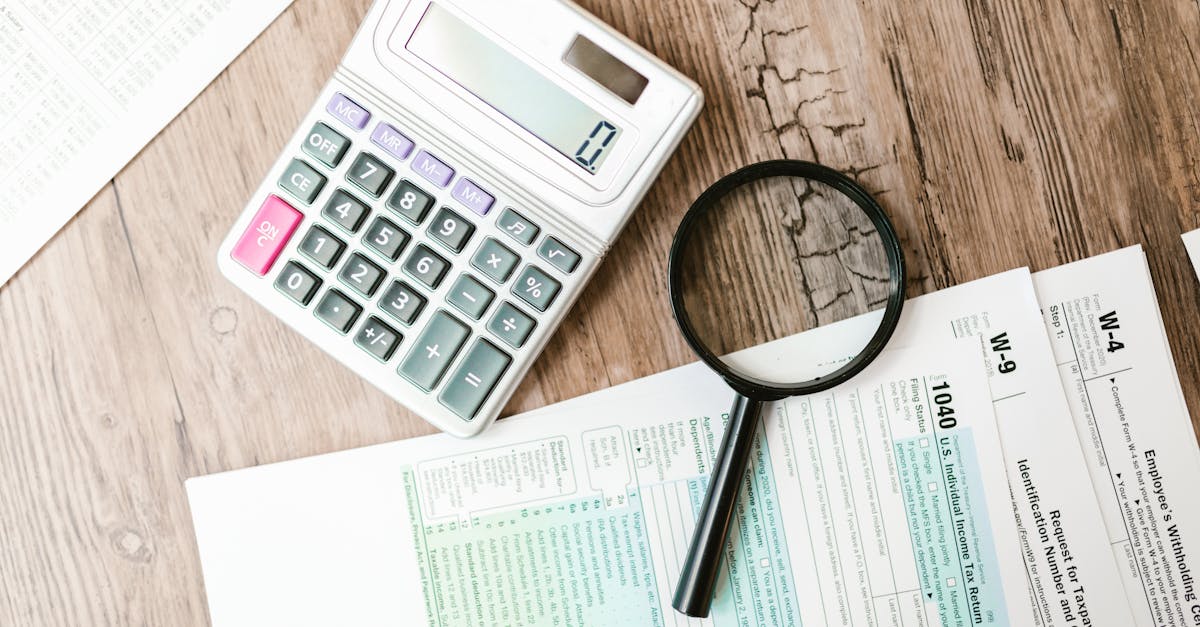
The Central Inquiry: How Does the U.S. Tax System Impact Daily Lives?
Understanding the U.S. tax system offers essential insight into its broader implications for daily life. The intricate web of federal, state, and local taxes not only finances government operations but also shapes economic behavior, modifies income distribution, and influences social equity.
The Mechanics at Play
At the heart of the tax system is a progressive income tax structure that imposes higher rates on those with greater income. This is designed to redistribute wealth and fund essential public services. Here’s the breakdown of how it operates:
- Cause: Individuals and corporations pay taxes based on their earnings. Progressive tax brackets range from 10% to 37% for individuals as annual income increases.
- Mechanism: The revenue generated is allocated to various public services, including education, infrastructure, and healthcare, impacting community resources.
- Effect on Real People: Lower-income families benefit from public programs funded by these taxes. For example, childcare subsidies and healthcare services can lift many out of poverty, contributing to a healthier populace.
A Look at Income Distribution
Income distribution is central to understanding the tax system’s role in equity. Data from the Federal Reserve reveals how income inequality has been moderated by taxation. In 2023, the Gini coefficient, often used to quantify income inequality, was improved marginally due to targeted tax policies.
This system helps finance social programs that provide vital assistance to those with lower income levels, which is critical in light of economic pressures. As of March 2026, inflation stood at 3.3%, while unemployment hovered around 4.3%. These figures underscore the ongoing economic challenges individuals face, counterbalancing the benefits received from government resources funded by taxes.
Key statistics related to the current tax landscape include:
- Top Individual Income Tax Rate: 37% for income over $578,125 (or $693,750 for joint filers)
State and Local Taxes: A Dual-Edged Sword
Apart from federal tax obligations, state and local taxes play a significant role in citizens’ finances. States impose various taxes, including income, sales, and property taxes. This local taxation affects not only personal budgets but also businesses making location decisions based on tax burdens.
- Cause: Residents and businesses are subject to different tax regimes based on location.
- Mechanism: States vary their tax rates and structures to attract or retain businesses. Higher business taxes may deter new investments, while lower rates can stimulate economic growth.
- Effect on Real People: For individuals, this could translate into varying budget impacts depending on where they live. For instance, moving from a state with high income tax to one with no income tax can substantially increase disposable income.
Future Perspectives: What to Watch
Understanding the dynamics of the U.S. tax system is crucial as evolving economic conditions will likely shift tax priorities and structures. As policymakers address income inequality amid rising inflation and interest rates at 3.64% as of March 2026, significant reforms could be on the horizon.
Anticipate movements toward adjusting tax brackets and revising exemptions—potentially impacting middle and lower-income households. What remains vital is to observe how these changes in tax policy will influence economic behavior, consumer spending, and ultimately, the well-being of American families.