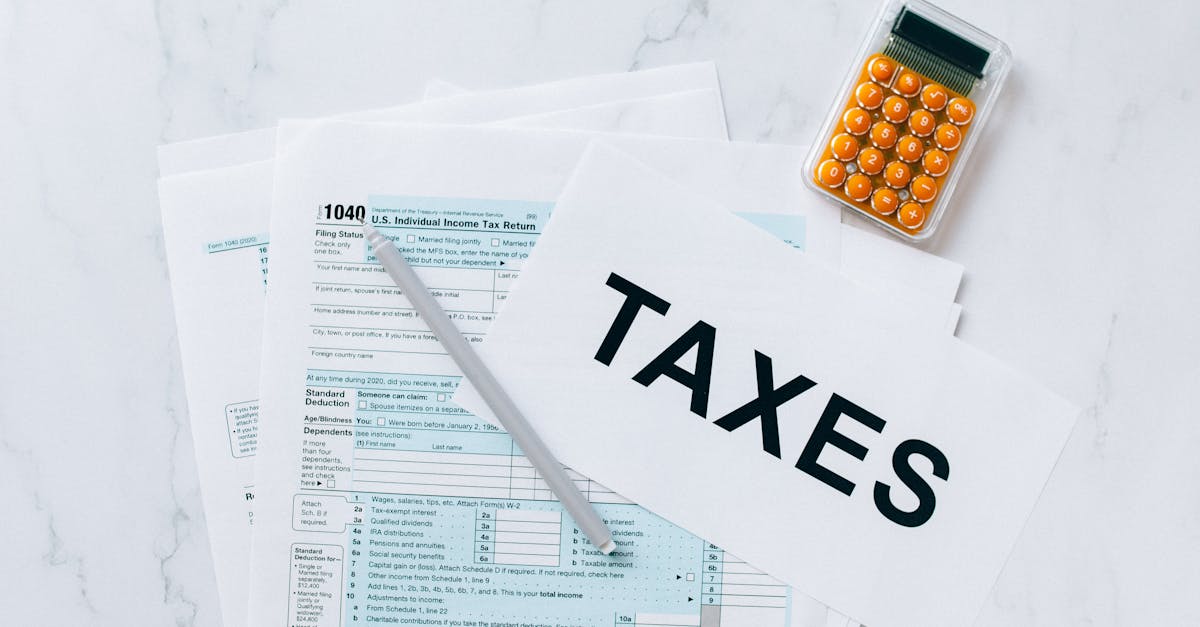
Why Is the Tax System a Central Economic Player?
How does the U.S. tax system influence the economic landscape of the nation? At its core, the tax structure is more than just a means for government revenue; it acts as a lever that drives spending habits, savings behavior, and ultimately, economic growth.
Cause and Effect: Tracing the Path
The U.S. tax system generates revenue through a mixture of income tax, corporate tax, and sales tax, among others. Each of these tax types has unique implications for taxpayers and the economy.
Income Tax: The Major Player
The federal income tax is progressive, meaning higher earners pay a larger percentage of their income. This design aims to reduce inequality and provide essential services. Higher income brackets face rates that can reach 37%.
- 2023 federal income tax rates:
- 10% on income up to $11,000
- 12% on income up to $44,725
- 22% on income up to $95,375
This progressive nature can lead to increased disposable income for lower- and middle-income families. However, as the cost of living rises, particularly in urban areas, their tax burdens can feel heavier, especially when policy changes or inflation occur. As of May 2026, inflation sits at 4.2%. When people have less purchasing power, the effect can ripple through the economy, impacting both consumer spending and business revenue.
Corporate Tax and Economic Growth
Corporate taxes, currently at a nominal rate of 21%, were reduced under the Tax Cuts and Jobs Act in 2017. A decrease in corporate taxation often aims to boost investment. Companies can redirect those tax savings towards wage increases, job creation, or new ventures. The interaction is clear: lower corporate taxes → increased business investment → potential boosts in employment.
However, small-to-medium enterprises (SMEs) might struggle more under such a system, as they lack the same resources to leverage tax incentives compared to larger corporations. Thus, the impact is uneven across the business spectrum.
Sales Tax: Local Economies in Focus
Sales tax—typically levied at the state and local level—constitutes a significant source of revenue for public services. This tax influences consumer behavior directly; higher sales taxes can discourage spending. With unemployment at 4.3% and inflation at 4.2%, consumers may feel squeezed. If the disposable income decreases due to high sales taxes combined with inflation, consumers will prioritize essential purchases, leading to reduced funds for local businesses.
The Real-World Impact on Citizens
Decisions around tax policy don’t occur in a vacuum. They affect everyday Americans in countless ways:
- Families may struggle to afford schools or health services when tax revenue dips due to corporate tax cuts.
- Middle-class families can feel the pain when sales taxes are raised as they navigate budgeting for other rising costs.
- The wealthiest citizens may capitalize on tax cuts, further widening the gap in earnings and investment potential.
What to Watch
Future tax reforms are crucial to observe as policymakers grapple with rising inflation rates and the overall economic health of the nation. How Congress decides to address issues such as tax inequity amidst inflationary pressures will be significant. As interest rates hover around 3.63%, economic actors should remain vigilant. Will they raise the cap on contributions to retirement accounts to counteract climbing costs? How will local governments’ budgets adapt in the face of a downturn?
These elements deserve attention as they not only dictate fiscal policy but also define the broader economic stability for millions.