A Family’s Journey to Europe
Imagine the Thompson family, who’ve been dreaming of a European vacation for years. After meticulously saving, they finally plan a trip to Paris and Barcelona. However, as they meticulously calculate their budget, they focus not only on airfares and lodging but on the intricacies of exchange rates. The dollar has been a little fickle lately, wobbling between strength and weakness against the euro.
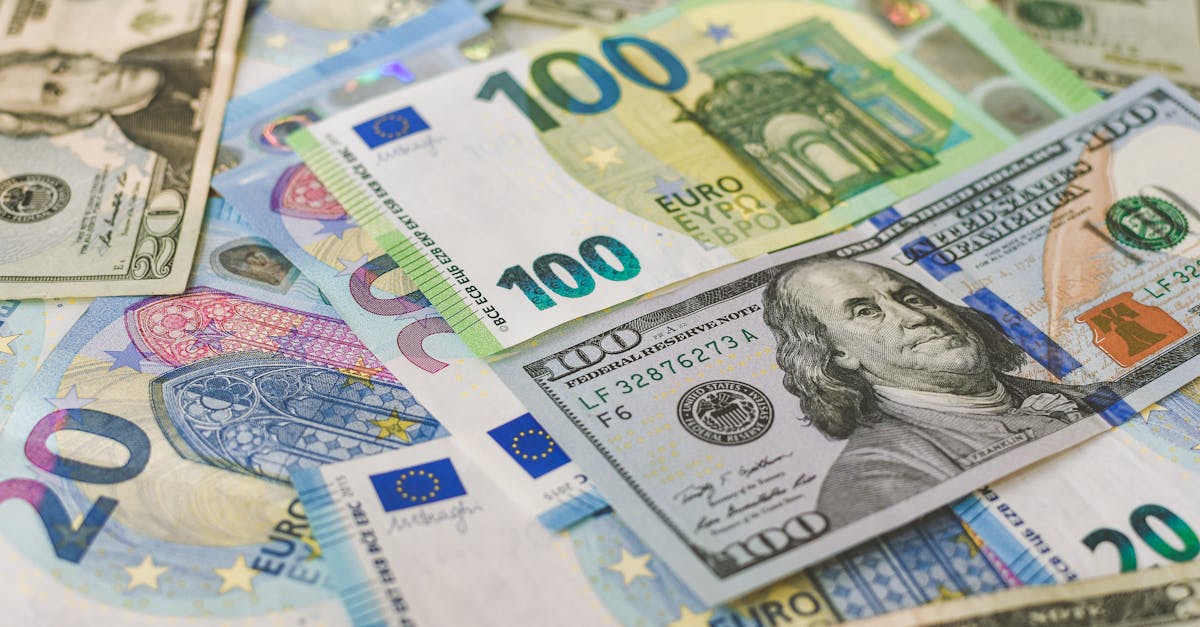
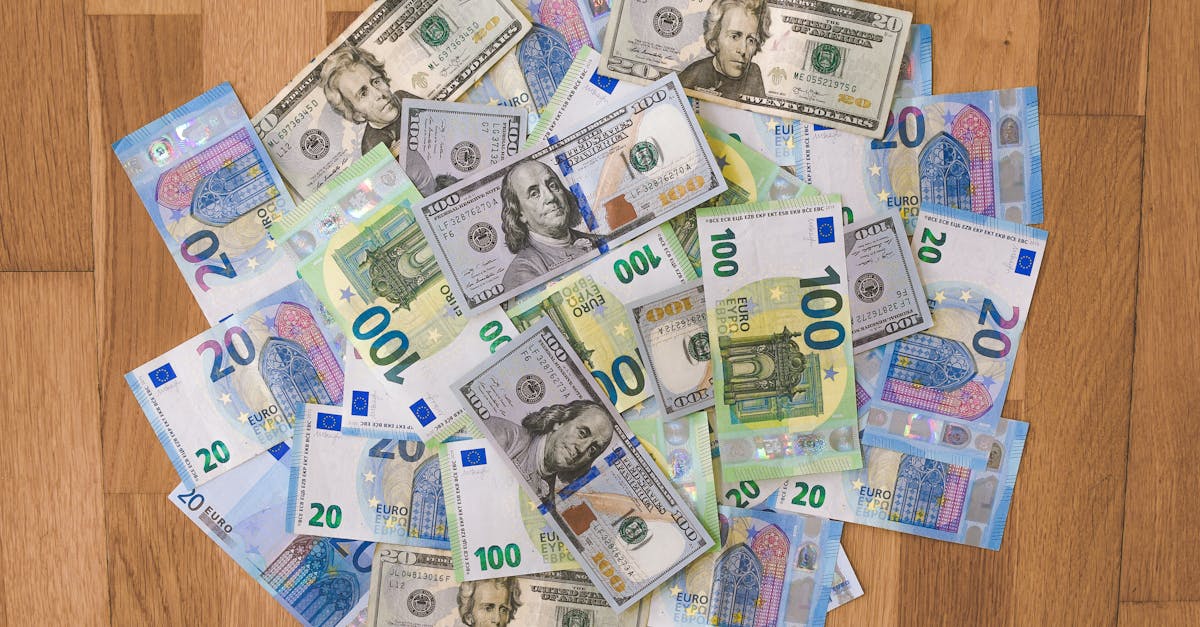
Just last week, the exchange rate adjusted to $1.10 for every euro—uncomfortably high compared to the $1.05 they had hoped for just a month ago. This change translates to a painful $500 increase on their $5,500 budget if it remains at that rate, making the dream vacation come with an unexpected financial burden. Think about it this way: for every 100 euros they thought they would spend on delightful pastries and historical tours, they now have to convert $110 instead of $105, making that pleasure more costly than anticipated.
Swings and Roundabouts: A Business Perspective
Across town, the owner of a small coffee roasting business, Java Joy, faces similar challenges. The company imports specialty coffee beans from Colombia and Ethiopia, where the prices are set in local currencies, the Colombian peso and the Ethiopian birr. When the dollar strengthens, it allows Java Joy to buy more beans for less money, fueling business growth. However, the opposite is true when the dollar weakens. With inflation hovering at 3.3%, the cost of shipping and production also rises, squeezing profit margins further. Unemployment remains steady at 4.3%, keeping consumer spending in check, a crucial aspect for local businesses benefiting from a vibrant customer base.
When the dollar was at $1.10 to the euro, the exchange rate clash with the Colombian peso caused Java Joy to pay roughly $90 for each unit of coffee beans, compared to $75 just weeks prior. The increase not only eats into the profits but also shapes the prices they charge customers, forcing the owners to consider raising prices at the café, thereby risking a decrease in foot traffic. This interconnected web of exchange rates and domestic inflation pressures creates a precarious balance that owners like Java Joy’s face every day.
The Ripple Effect of Currency Value
What’s fascinating is that the dance of exchange rates isn’t limited to just families and small businesses like the Thompsons or Java Joy. It reaches every pocket of the economy. For the average American, a stronger dollar often means cheaper imports but potentially higher prices for domestically produced goods. Conversely, when the dollar weakens, which is a point of great concern, the costs of imported products soar, putting pressure on consumers who might turn to alternatives or cut back on spending.
Families buying back-to-school supplies this year might notice that the prices are creeping higher, a consequence of numerous factors including exchange rate fluctuations, inflation, and supply chain disruptions that have been hanging over the economy like a dark cloud. The Thompsons’ dream vacation may become a distant memory if their financial forecast doesn’t get better.
Bringing It Home
As the summer fades and autumn approaches, the Thompsons huddle around their dining table, poring over updated costs for the trip as the euro continues to hover around $1.10. Each price adjustment sends ripples through their planning. They ponder whether they need to postpone their trip or reconsider their budget altogether. Meanwhile, down the street, Java Joy continues to fine-tune its offerings in hopes of retaining customers while adjust prices to reflect rising costs.
In a world where currency values impact almost every economic decision, the Thompsons, Java Joy, and countless others navigate these challenges intricately and with visible trepidation. Whether it’s planning a family vacation or running a small business, these shifts tell a much deeper story about resilience amid change and hope amid uncertainty.