An Unexpected Paradox in Inflation
While inflation officially stands at 3.3%, suggesting a moderation that many welcomed, beneath the surface lies a stark contradiction: many consumers still feel the pinch more acutely than ever. An apparent stability in the aggregate metrics belies the turmoil faced by individuals navigating a marketplace where certain essentials have soared in price. How can two narratives coexist in a single economy?
A Tale of Two Economies
Take housing, for example. The Federal Reserve’s aggressive interest rate hikes aimed at curbing inflation have cooled the housing market, driving down prices in some sectors. Yet, rent continues to rise in metropolitan areas, where demand vastly outstrips supply. According to the Bureau of Labor Statistics, rent has contributed disproportionately to overall inflation, becoming an anchor that keeps millions of families teetering on the edge. A sharp contrast emerges when we look at essentials versus luxuries in a class-divided economy: while wealthy families may find high-end goods affordable, the lower-income households are forced to allocate a growing portion of their budgets to basic necessities like food and rent.
Unseen Consequences of a Slowing Economy
Not captured in the headlines is the creeping despair of workers in sectors experiencing stagnant wages. As inflation hovers around 3.3%, wages have not kept pace; the real average hourly earnings have effectively stagnated, leading to a decline in purchasing power. The latest BLS data reveals that when adjusted for inflation, average wages decreased by 1.2% year-over-year as of early 2026, leaving many in a position where they can afford less than they did the year prior. Such metrics draw a sharp line between winners and losers, reflecting a labor market where only certain industries—tech, finance, professional services—are thriving.
A Global Perspective: Where Do We Stand?
Comparing inflation rates with major EU economies paints an even grimmer picture. Many countries in Europe have managed to reduce their inflation more effectively, attributing their successes to various policy measures. Germany, for instance, has reported inflation rates steadily below the United States’ due to tightened supply chains post-pandemic and strategic government interventions. This discrepancy begs the question: are U.S. policies keeping pace with the realities faced by American consumers, or are we condemned to drift in a patchwork recovery?
The Hidden Lives of Goods and Services
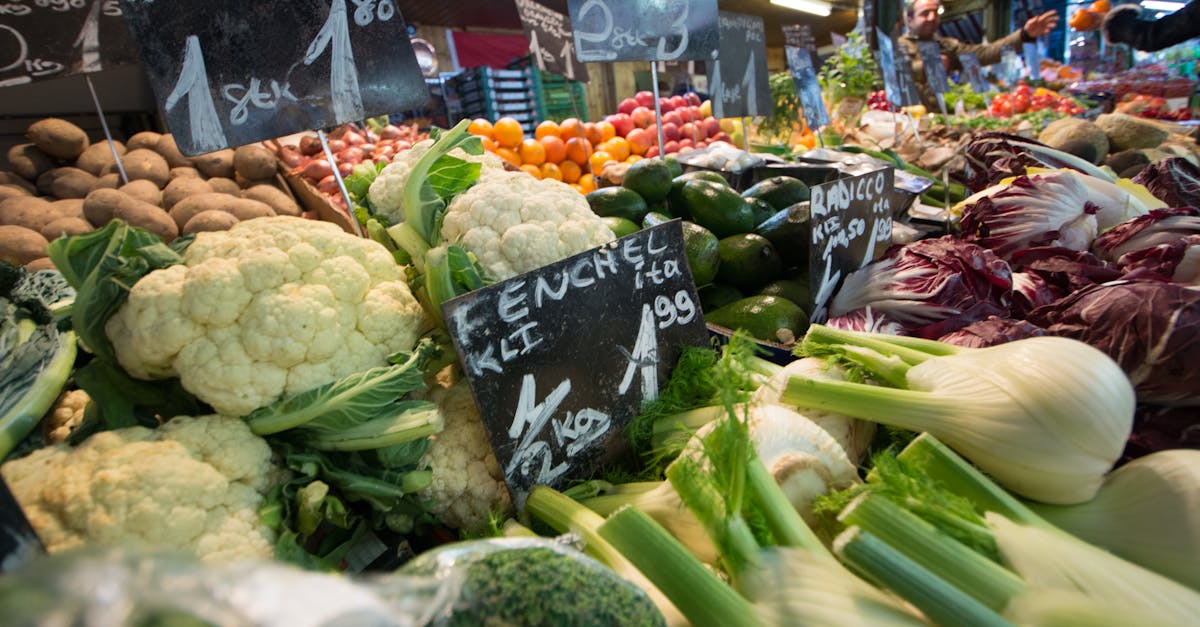
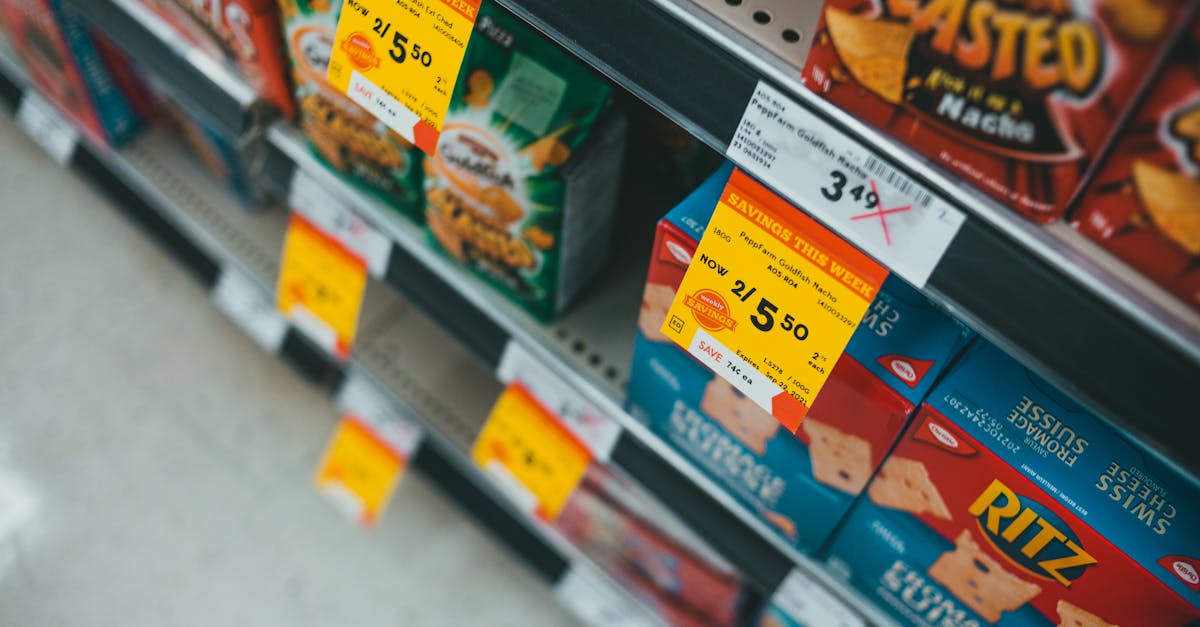
While the headline consumer price index may suggest a smooth transition to normalized conditions, countless products experience significant price swings. Personal care items, for example, are witnessing sharp increases, with some basic goods marking an escalation of 15-20%. The micro-level price shifts reflect a microcosm of broader economic tensions, where consumers earnestly attempt to stretch their dollars yet face unrelenting cost-of-living increases. This invisible burden of rising everyday expenses might explain the sensation of ‘economic anxiety’ gripping middle-class households, even amid broadly positive indicators.
The Fork in the Road
As inflation remains a double-edged sword, polarizing the American populace, one cannot help but ask: will policymakers effectively address the binary nature of economic recovery, or will the persistent discontent for those left behind threaten to destabilize growth? As industries evolve, will the U.S. find a path that elevates wage growth alongside price controls, or will we settle into a cycle of disillusionment? Which road shall we take—toward a more equitable economy, or back into the quagmire of stagnant wages and rising costs?