An Unexpected Inflation Reality
Inflation appears to be a double-edged sword for the American consumer. Current metrics reveal a rather alarming inflation rate of 4.2%, a figure that harks back to the more volatile economic periods of the early 1980s. Yet, the President’s Council of Economic Advisers touts record low unemployment and wage growth as indicators of a healthy economy. How can a backdrop of rising prices coexist with claims of economic prosperity? It seems contradictory on the surface; is the nation genuinely thriving, or are we merely painting a rosy picture over a troubling reality?
Commodities vs. Services: A Divergent Path
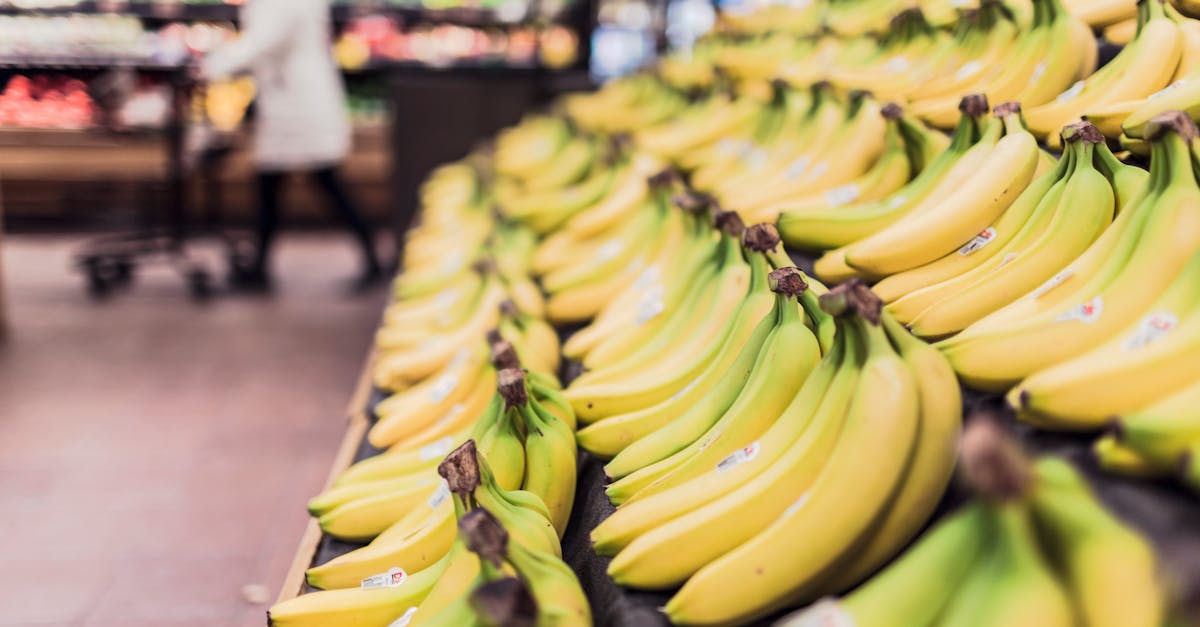
Diving into specifics, different sectors tell conflicting narratives. Prices for essential commodities—things like food and energy—have taken a substantial hit, with the food index up by nearly 6% year-on-year as per BLS data. Consumers in households with limited budgets feel this pinch the most acutely. Meanwhile, the services sector shows a more palatable inflation rate, which has only edged up around 3% over the same time frame. The disparity creates tension; those reliant on consumer staples face brutal price hikes, while those with discretionary spending can enjoy relative stability.
Consider that in urban centers, where living costs are steepest, inflation bites harder. A cost-of-living index in New York City or San Francisco often outstrips smaller, more rural regions’ financial pain. Consequently, Midwest consumers may find relief that their local groceries cost less than those in major coastal cities, but they are simultaneously sidelined in the wage growth narrative—a region overshadowed by the economic successes touted in tech hubs.
What’s Behind the Curtain: Labor vs. Consumer Sentiment
Digging deeper reveals the hidden layers of consumer sentiment often overlooked in headline-flavored narratives. According to the Federal Reserve, consumer expectations may indicate a broader malaise than reflected in traditional measures. The latest consumer confidence report shows a notable dip in optimism regarding future spending, even as unemployment benefits are at record lows. The disconnect between wage growth in prestigious industries compared to consumer price increases raises the question: are we fostering an economy of winners and losers?
The Fed’s response, with interest rate adjustments aimed at stabilizing inflation, adds another layer of intrigue. A tightening policy could stifle economic growth, particularly for the average American worker whose disposable income is already squeezed by rising prices. Understanding how much these measures could distort existing disparities in wealth distribution leaves more questions than answers.
Global Economic Landscape: The U.S. vs. Others
Contrasting the U.S. situation with international peers reveals further tensions. Countries like Germany and Japan, grappling with their own inflationary pressures, demonstrate how monetary policies affect consumer experiences differently. While the Eurozone displays inflation at around 3.5%, Japan’s struggles with persistent deflation showcase a contrasting narrative altogether. In this global context, the U.S. appears both advantaged and burdened, leveraging its consumer market against nuances reshaping its international trade relationships.
The Impending Fork in the Road
As consumers navigate this complicated terrain, both the privileged and the struggling must reconcile their experiences with the data. While some sectors may enjoy the fruits of a robust economy, countless Americans are wrestling with the burdens of rising costs in essential goods.
At this juncture, the decisive question lies not in whether inflation can be managed but in what transformative choices lie ahead for policymakers and consumers alike. How will the balancing act between staving off inflation and supporting consumer welfare unfold, and who ultimately will bear the brunt of economic decisions moving forward? The clarity may be obscured now, but the direction of the U.S. economy is undeniably at a turning point, beckoning keen observation and fervent discussions.