Surprising Calm Amid Rising Prices
While many anticipated that the Federal Reserve’s aggressive interest rate hikes would catalyze a broad economic downturn, inflation as of March registers a surprising 3.3%. This figure, while still elevated compared to pre-pandemic norms, may seem tranquil against the backdrop of 40-year highs experienced just a couple of years ago. Yet this apparent stability masks severe underlying tensions within the economic fabric of the nation.
Expectations Clash with Outcomes
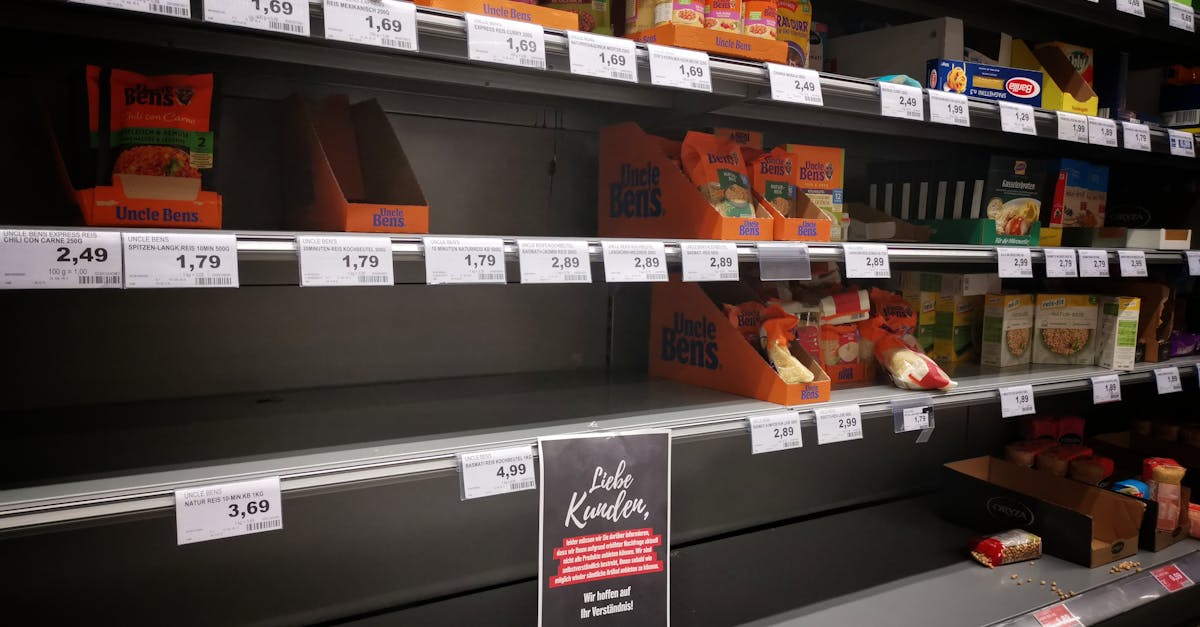
Households across the country have adjusted their spending habits based on the assumption that persistent inflation expects upward pressure on consumer prices and wage growth. However, the Economic Policy Institute reported that average wages for American workers have barely kept pace with these price increases, resulting in diminished purchasing power. Sectors such as housing and groceries have experienced staggering increases; rent, for instance, saw an annual rise of 8.7% in many urban areas, drastically outpacing wage gains.
Meanwhile, the tech sector, buoyed by robust supply chains and decreased demand for physical goods, shows a contrasting trend. Companies within this sphere are projecting profitability in an environment where digital goods and online services have not suffered the same inflationary pressures. Consequently, a two-tier economy seems to be emerging: working-class consumers constrained by their demographic’s escalating costs and technological firms enacting strategic gains.
The Unseen Shift in Consumer Behavior
While commentators rush to assess headline inflation numbers, a less-discussed trend lies in the subtle shifts of consumer behavior across demographics. The affluent suburban family, armed with savings accumulated during two years of pandemic lockdowns, has adjusted its spending toward luxury items, leading some areas, such as high-end retail, to report record sales despite the overall grim outlook painted by broader inflation statistics.
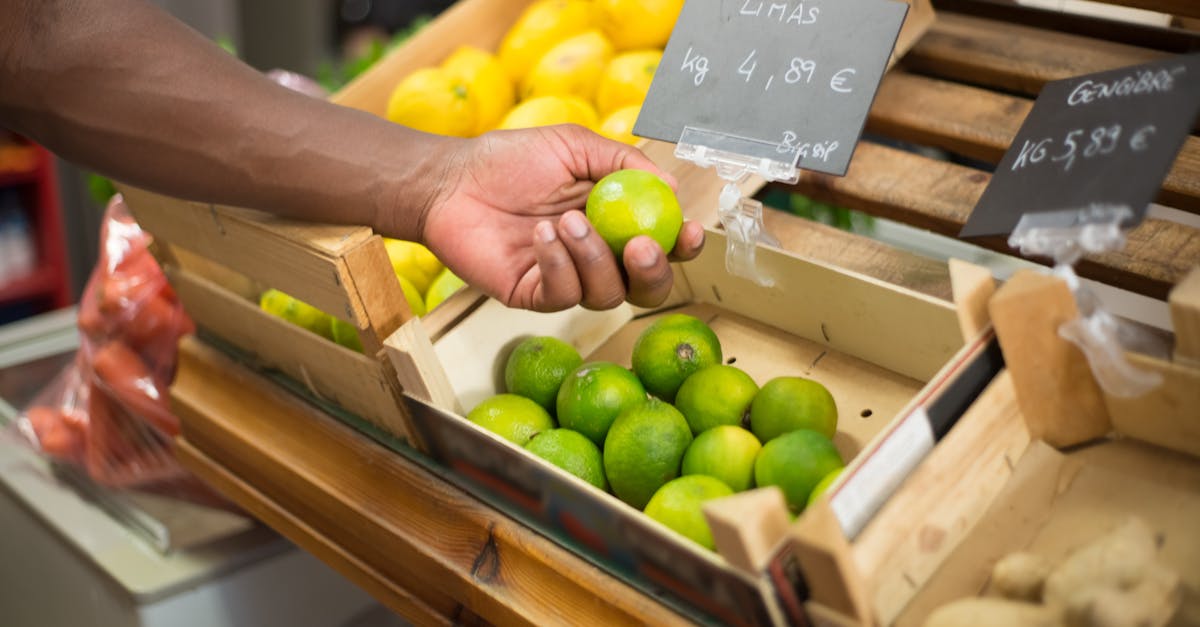
Conversely, lower-income households are facing stark realities as they grapple with rising basics. Data from the Bureau of Labor Statistics indicates that consumer price increases in essential goods are markedly higher than in discretionary items. The consumer price index shows food prices rising 5.6% year-over-year, further straining finances as these families prioritize necessities over luxuries. This discrepancy is a powerful reminder that aggregated figures can obscure real human experiences.
The Global Perspective: America’s Stumble amid a Global Recovery
Globally, the U.S. is experiencing inflation in a context marked by varied recovery speeds in other economies. European Central Bank measures indicate that the Eurozone is grappling with similar challenges yet exhibits a stronger recovery pathway. In many parts of Asia, inflation has stabilized or even decreased, benefiting from robust manufacturing sectors and lower energy costs. The disparity raises questions about resilience and responsiveness within the U.S. market compared to its peers abroad.
The Great Divide: What’s Next for American Consumers?
As inflation lingers, two paths emerge sharply: one where inflation rates continue to adjust downward, improving consumer purchasing power, and another where rising costs persist, and economic disparity grows wider. With inflation shaped by global events such as supply chain disruptions and geopolitical tensions, uncertainty looms.
Yet amid this turbulent landscape, an unsettling question hangs in the air—who will ultimately thrive, and who will suffer? As the Federal Reserve weighs future rate adjustments, stakeholders must reckon not just with numbers but the deepening realities they illustrate.
The fork in the road challenges us to consider what a sustainable recovery looks like. Will the resolution of inflationary pressures lead to a harmonized economic ascent, or will we witness a bifurcated society further entrenched by disparate financial realities? The answers are crucial as America attempts to navigate its complex post-pandemic landscape.