A Surprising Inflation Rate Amidst Rising Prices
A 3.3% inflation rate might seem unremarkable in the historical context of rising consumer prices, yet it obscures a deeper reality where some Americans are feeling the effects far more acutely than others. Over the past year, while many headlines celebrated a leveling off in inflation pressures, the everyday reality for consumers tells a different story. Household budgets are under relentless pressure as costs for essentials like housing, gas, and groceries soar disproportionately.
Expectations Shattered: The Grocery Store Dilemma
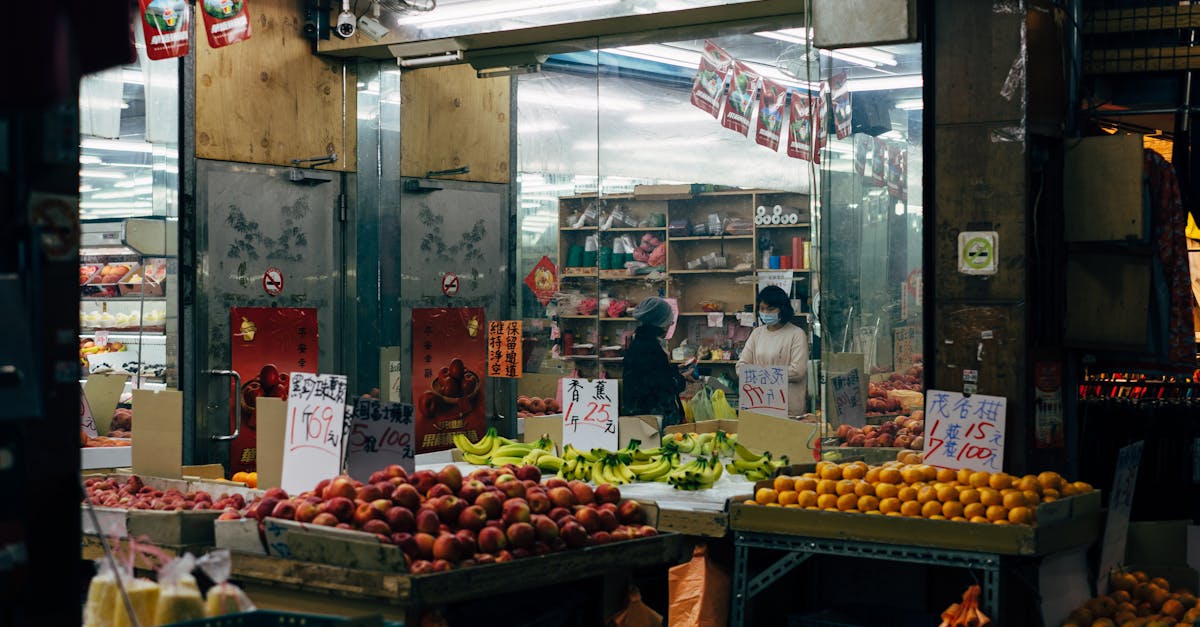
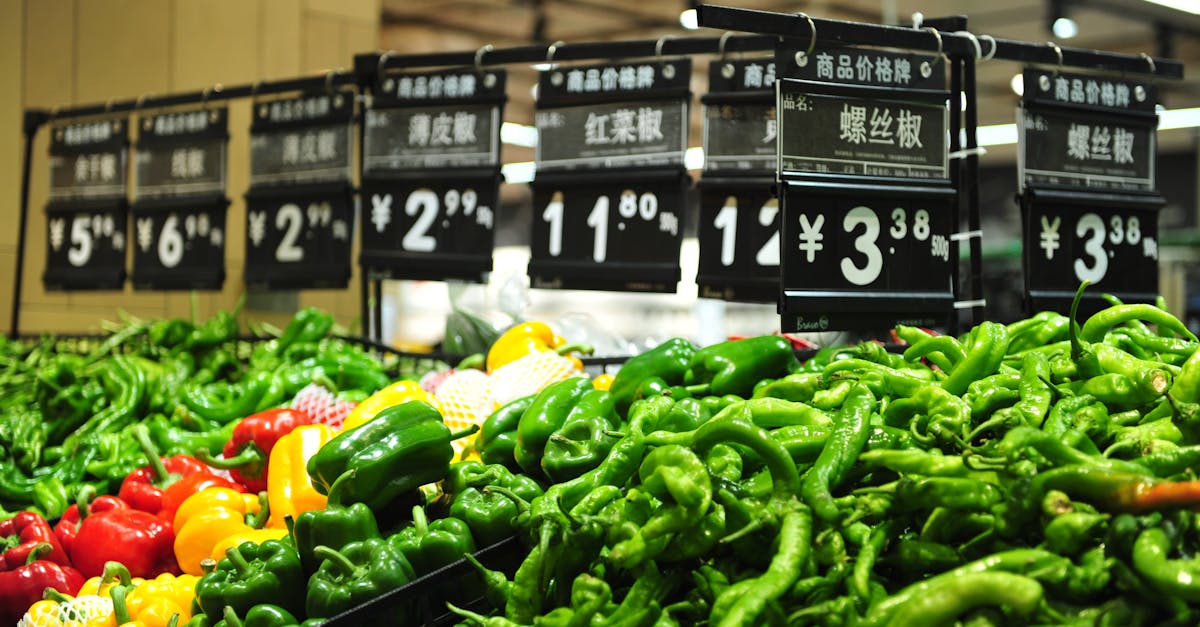
Consider food prices: they have surged by nearly double the overall inflation rate, with some staples like eggs more than doubling from last year. In contrast, the rises in other sectors appear less daunting. Energy costs are plateauing, yet the increased demands on food supply chains due to climatic events and geopolitical factors leave consumers facing stark contradictions. A recent report from the Bureau of Labor Statistics highlights that, while overall inflation hovers around 3.3%, food at home has seen an increase of approximately 6.5% year-over-year.
It’s not just food. Regional disparities paint an even murkier picture. Take the West Coast in comparison to the Midwest: rising housing prices in California create a situation where the inflation feels more oppressive, leading to frustration among residents. Yet, areas in the Midwest—often touted for their affordability—are seeing slower housing growth, contributing to a less intense inflation experience. How do these variations exist within the same national framework, and what do they imply for disparate economic futures?
The Missing Narrative: Wealth Inequality in Inflation
What’s often glossed over in inflation discussions is the widening gap in wealth discrimination caused by these rising prices. Wage growth appears encouraging at 4.6% annually, but when juxtaposed against the cost increase of everyday goods, low-income households feel a far heavier burden. Wall Street may cheer earnings and dividends, but Main Street grapples with sticker shock at the grocery store.
A revealing report from the Federal Reserve’s recent survey captures this inequity—the wealthiest Americans saw a mere 1% increase in their overall spending power since inflation forced them to adjust their lifestyles minimally, compared to a 10% squeeze on lower-income households. The narrative is troubling: those at the bottom are struggling to keep afloat while those at the top are barely touching the sides.
A Global Stage: Comparing Inflation Across Borders
The international landscape softens some of the U.S.’s inflationary heat. Many European countries wrestle with even higher inflation numbers, driven by energy crises and recovering from the repercussions of COVID-19. However, the U.S. remains distinct in how inflation bites through social classes. In Germany and France, price controls and subsidies cushion the blow for consumers more effectively than in the U.S., where policy tools seem more reactive than proactive. While inflation rages globally, the disparity in governmental responses highlights the U.S.’s struggle with addressing the social implications of rising prices.
What Lies Ahead: The Decisive Fork
As the Fed navigates its approach to interest rates and inflation targeting, the stakes are higher than drawing a line in the sand. This complex environment raises pressing questions not just about price stability, but also about social stability. With the cost of living diverging sharply across demographics and regions, policymakers must grapple with the reality that financial tools can only take them so far.
So here lies the crossroads: Will we choose to address the roots of wealth disparity exacerbated by inflation, or will our policy responses merely drift with the currents of economic theory? As inflation rates hold steady, the true battle remains in the lived realities of everyday Americans. The question looms—how will we choose to wield our economic strategies in a time where the stakes involve far more than just numbers?