A Discrepancy in Experience
As inflation hovers at 3.3%, one might expect a uniform wave of cautious spending among consumers and businesses alike. Yet beneath that seemingly stable surface lies a stark contradiction: while prices have steadied, spending behaviors reveal a rift that could redefine economic leaders and laggards. Retailers report healthy revenues, yet many households find budgets tighter than ever. Who is reaping the benefits of this momentary inflationary calm, and who is losing ground?
Sectors Under Strain
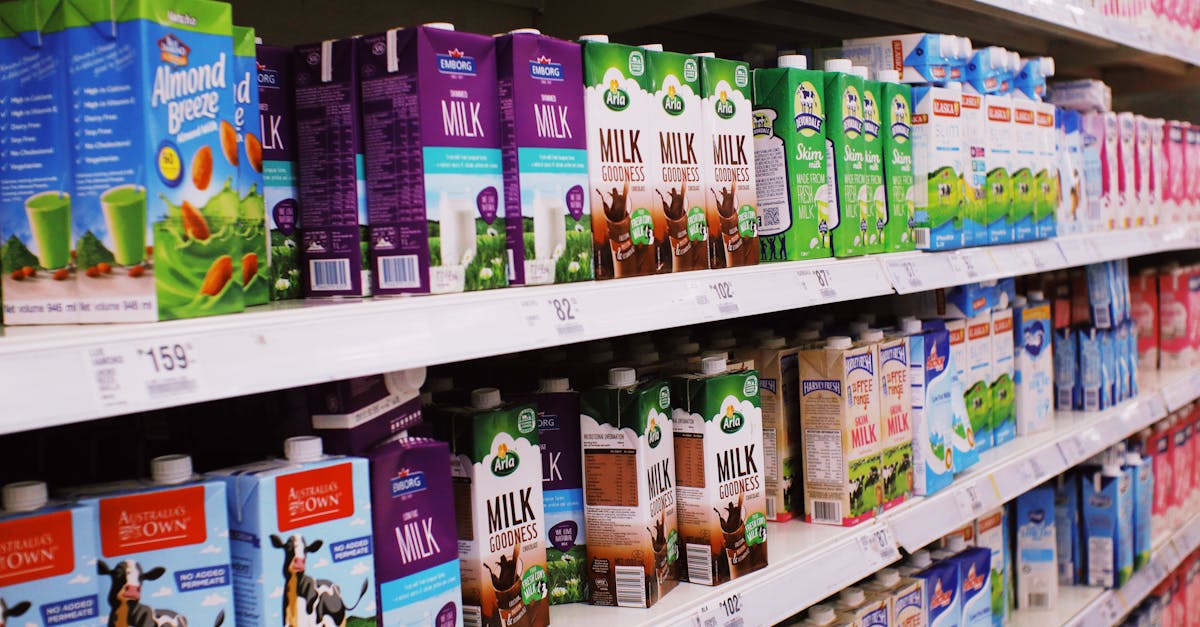
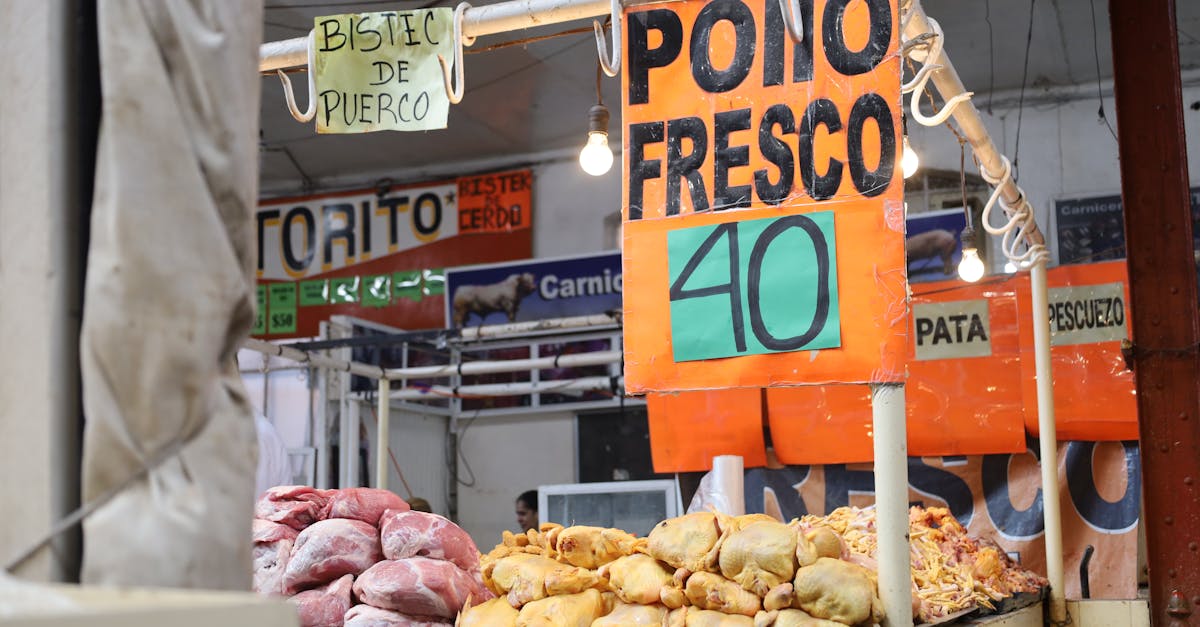
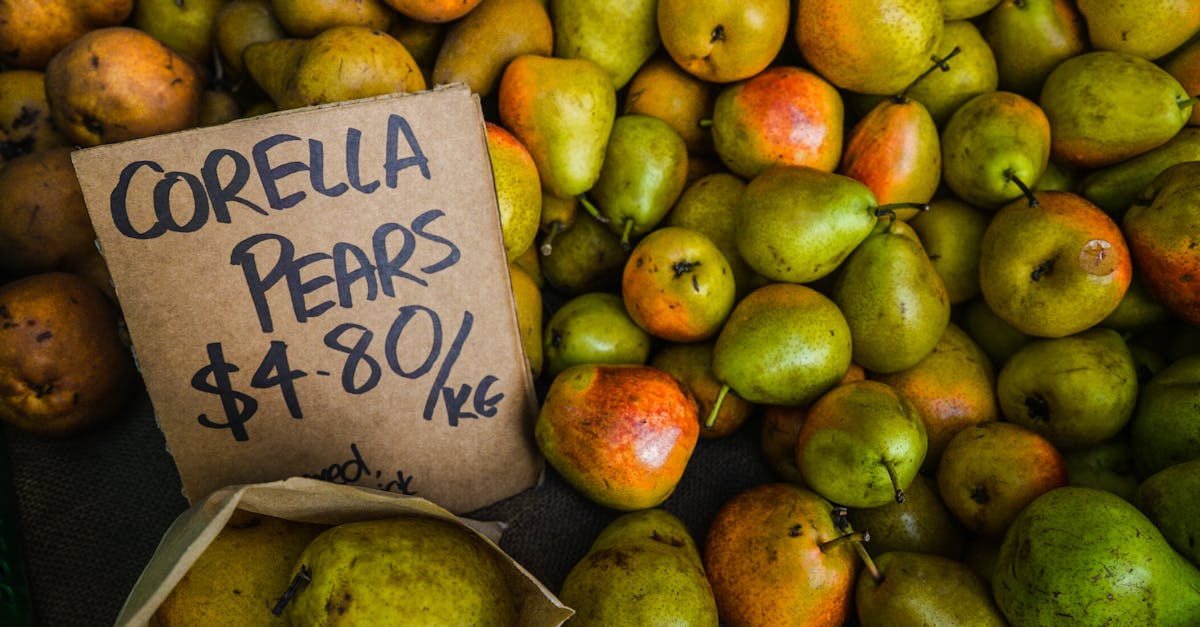
Comparing sectors reveals an uneven landscape. For instance, the energy sector, hyper-stimulated by the post-pandemic recovery, has seen prices stabilize while facing intense scrutiny over profit margins. According to the Bureau of Labor Statistics, fuel prices have remained volatile in recent months, impacting discretionary spending elsewhere. Meanwhile, food prices, despite a temporary decline, continue to stress lower-income families, with grocery costs climbing significantly in the past year.
Against this backdrop, the leisure and hospitality industries are experiencing a renaissance, driven by pent-up consumer demand. Yet, their resurgence contrasts sharply with the realities faced by sectors like real estate, where mortgage rates remain high and affordability is a growing concern. The question surfaces: Are we creating a two-tier economy, where some sectors thrive while others stagnate?
What the Headlines Miss
The spotlight often shines too brightly on aggregate inflation figures, but a closer inspection reveals a less discussed, yet alarming, trend: the divergence of consumer sentiment and tangible purchasing power. According to the most recent consumer confidence index from the Federal Reserve, sentiment has dipped even as prices appear to stabilize. This dissonance suggests an underlying anxiety, as households deal with rising costs of living against stagnant wage growth.
Hidden in plain sight are the challenges faced by the middle class. While the affluent may still bask in the glow of increased consumer spending, the pressure on average earners is mounting. A substantial portion of wages continues to lag behind inflation, reducing their real income and thus their purchasing ability. The recent data from the Bureau of Economic Analysis shows a potential disconnect, as GDP growth persists but household consumption patterns reflect a trend toward cautious spending and excessive savings rather than indulgence.
Global Context: An Uneven Playing Field
When placed against the international stage, the U.S. inflation narrative grows richer and more complex. Economies like those in the European Union grapple with higher inflationary pressures, hovering closer to 5-6%. However, the relatively subdued rate in the United States often masks areas of crisis, especially in urban centers experiencing soaring housing costs.
Countries like Canada are forging ahead with ambitious quantitative easing strategies that effectively stimulate their economies, while the U.S. hesitates on potential federal interventions to further curb inflation. Are we stalling against a global wave of economic recovery while internal pressures compel us toward austerity? The winds of global trade also threaten to reshape our pricing landscape; tariffs and supply chain disruptions could tip the scales back toward inflationary turmoil, raising the stakes considerably.
The Fork in the Road
As we dissect the phenomena surrounding a 3.3% inflation rate, multiple narratives unfold, revealing a fractured economic climate where certain sectors flourish while others brace for hardship. The contrast between rising consumer prices and stagnating wages raises pressing questions about the efficacy of policy interventions.
As forks in the economic pathway loom ahead, the pressing question emerges: Will policymakers pivot towards a more equitable economic model that addresses the growing disparities or continue to prioritize short-term stabilization, potentially exacerbating the divide? The answer may define the U.S. economic landscape for years to come.