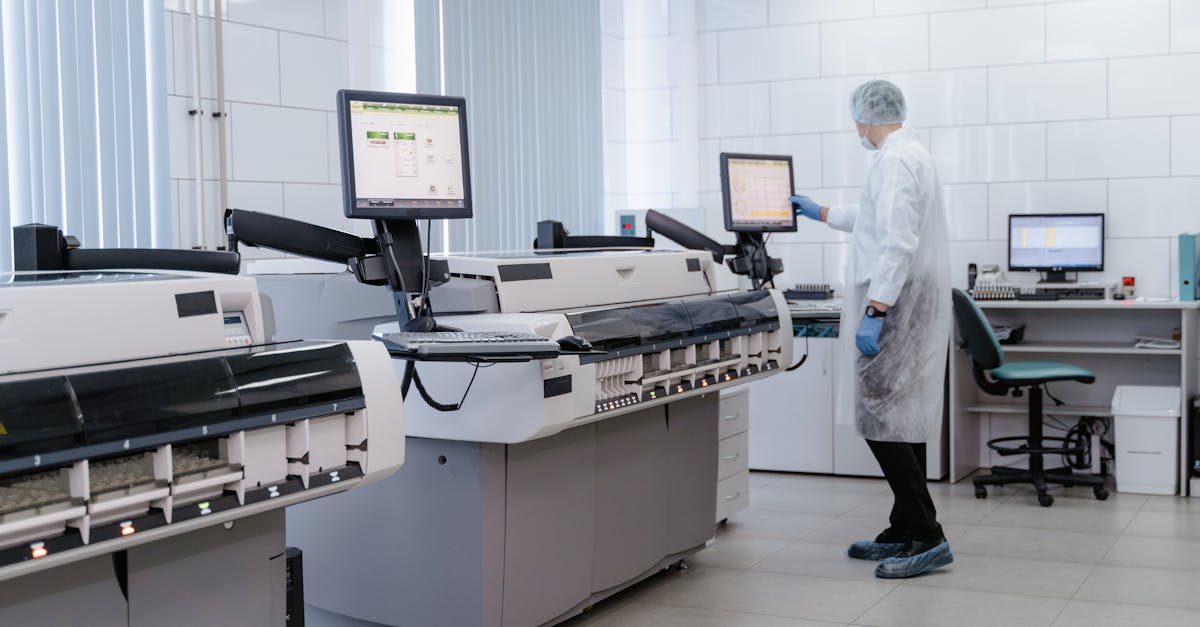
Down the R&D Rabbit Hole: Billion-Dollar Bets
In a bold bet on future growth, U.S. businesses are expected to invest a staggering $907 billion in research and development this year, a figure representing a remarkable 11% increase from last year’s investment. This surge comes at a pivotal moment when inflation sits at 3.3% and unemployment has stabilized at 4.3%, creating a fertile ground for innovation.
How America Stacks Up: The Global Race
Looking beyond borders, the U.S. remains a powerhouse in R&D, leading the world with a 28% share of total global innovation spending. China, often touted as a rival, is catching up, with R&D spending projected to reach $551 billion, or 22% of the global total. Yet, despite these significant investments, American firms are still outpacing their competitors in the high-stakes race for technological advancement — a clear indicator of a resilient and proactive business environment.
Sectors on the Rise: Where the Money Goes
The lion’s share of R&D investment is concentrated in sectors like technology and pharmaceuticals, where companies are not only ramping up expenditures but also aiming for breakthroughs that could redefine entire industries. According to the National Science Foundation, over $300 billion is directed toward software development and pharmaceuticals alone, highlighting a trend where businesses are banking on innovation as a growth strategy rather than a luxury.
Interest Rates and Their Effect on Spending
Amidst this booming investment landscape, the Federal Reserve’s decision to maintain interest rates at 3.64% adds a layer of complexity. For firms considering funding R&D through loans, this relatively moderate interest rate encourages borrowing, allowing companies to seize the moment to innovate. However, as inflation erodes purchasing power, businesses must remain agile to respond to changes in borrowing costs and the potential impact on consumer markets.
Workforce Impact: Investing in Human Capital
With soaring investments in innovation, the demand for skilled talent is also on the rise. As firms pour money into R&D, they’re also investing in workforce development to cultivate a talent pool equipped for emerging technologies. The National Bureau of Economic Research recently pointed out that R&D-intensive industries tend to create jobs at a rate considerably higher than other sectors.
The Horizon: What’s Next?
While current figures are promising, the challenge remains for the United States to sustain this momentum in R&D investment amid shifting global dynamics. As businesses embrace the dual pressures of innovation and economic stability, the focus will likely turn to ensuring that investments yield tangible advancements rather than getting lost in bureaucratic processes or short-term thinking.
As we stand at the crossroads of innovation and economic growth, the agility with which American firms navigate tomorrow’s challenges could very well redefine the landscape of global competitiveness.