Surge in Labor Productivity Caught Economists Off Guard
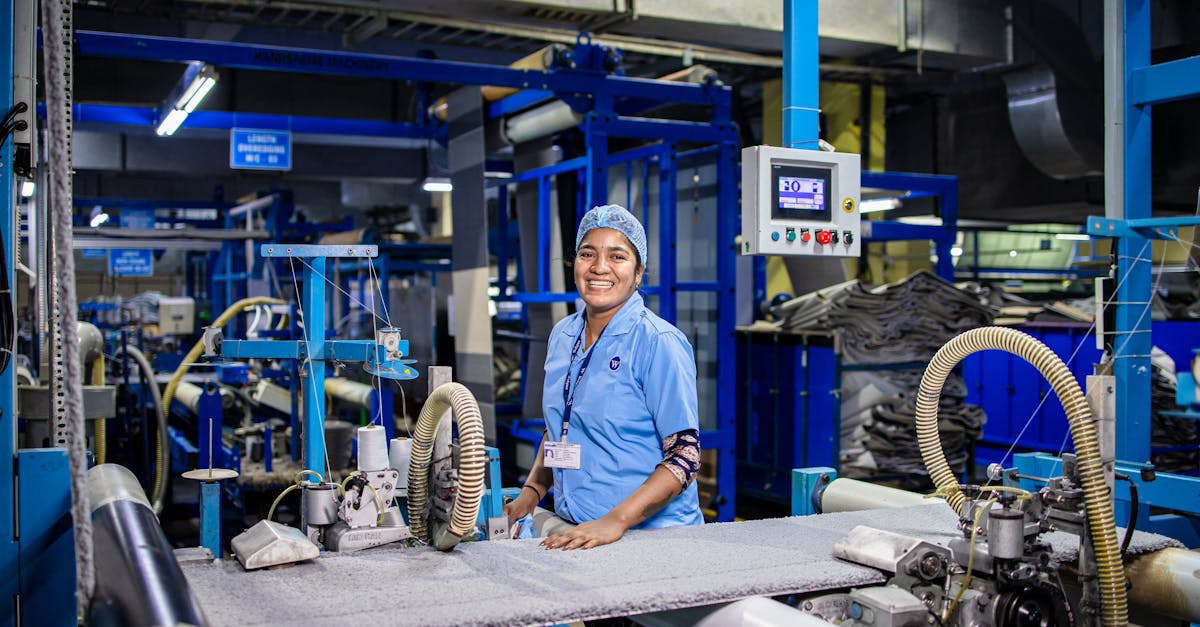
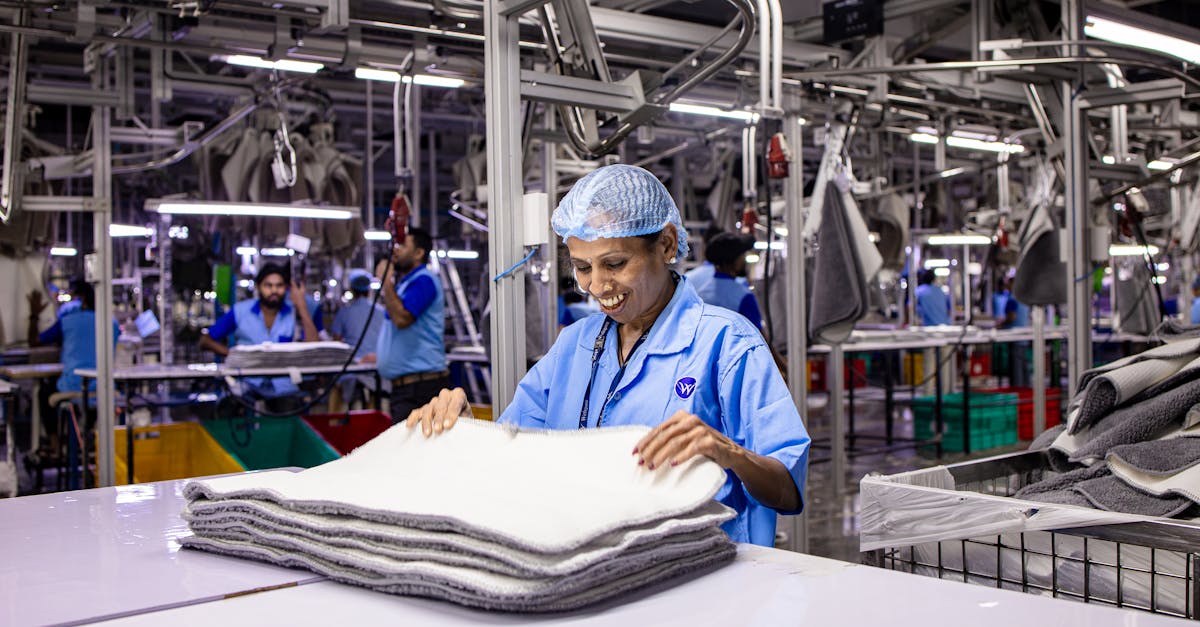
Recent figures from the Bureau of Labor Statistics reveal a startling increase in U.S. labor productivity, climbing 3.2% in the last quarter. This uptick is especially striking given the backdrop of a significant inflation rate of 3.8%, suggesting that businesses may be finding ways to maximize output even as costs rise. Economists had projected a far more conservative growth rate, which indicates either unforeseen efficiencies in work processes or even more effective capital management amidst economic headwinds.
Comparison with Historical Trends
This performance marks a robust improvement from previous quarters where productivity had been waning. In 2025, productivity growth met only a pedestrian 1.5%, leaving analysts questioning the resilience of the economy. The surge in labor efficiency contrasts starkly with peer nations like Germany and Japan, where productivity growth hovered around 1% to 2% during the same period. The United States, while often a harbinger of innovation, appears to be unlocking hidden potential at a rapid pace, challenging the old narrative of stagnation.
Employment Landscape Plays a Role
The backdrop of these increasing productivity levels coincides intriguingly with an unemployment rate of 4.3%. This rate, while slightly above the Federal Reserve’s target of 4%, affirms that a significant segment of the labor force is actively engaged and ready to contribute to productivity gains. There exists a demonstrated correlation between employment and productivity, particularly in industries that are increasingly adopting advanced technologies—an area where the U.S. seems to be leading.
Interest Rates Add Pressure but Incentives Remain
Complicating this scenario is the prevailing interest rate set at 3.63%, which may incentivize businesses to invest in productivity-enhancing technologies instead of simply hiring more personnel. In a world where every percentage point of interest can make or break a capital investment decision, the Fed’s latest adjustment seems to be underpinned by a balance between fostering growth and curbing inflation. Companies may currently prefer to invest in robotics and AI over expanding their workforce, which is also a fascinating commentary on the labor market’s evolving dynamics.
The Road Ahead: Balancing Act of Growth and Stability
While one might be tempted to celebrate these productivity gains, the reality is more nuanced. As inflation persists, consumers tighten their belts, affecting overall demand which could, in turn, influence future productivity. The productivity growth we are witnessing may not simply be about output efficiency but could also serve as a warning signal—signaling that businesses are stretching their resources in an inflationary environment that could soon yield diminishing returns.
As the economic landscape continues to shift, the challenge will be to maintain this surge in productivity without destabilizing the delicate balance of labor, wages, and consumer spending. The ongoing developments will undoubtedly shape not just the immediate economy but will send ripples through labor relations and the political discourse surrounding economic policy in the U.S.