Productivity in the Crosshairs
Labor productivity in the United States has stagnated, with recent figures revealing a mere 0.2% increase in the first quarter of 2026. This stands in stark contrast to other developed nations, which have seen more robust growth in productivity. Countries like Germany and Canada are reporting annual increases well above the U.S. average, raising questions about the competitive positioning of the American workforce on the global stage.
Numbers that Command Attention
With inflation sitting at 4.2% and unemployment at 4.3%, the pressure on American workers has translated into a lack of significant gains in efficiency. The Bureau of Labor Statistics notes that the yearly productivity growth rate has dropped to half of what it was just three years prior, which was a robust 1.5%. This deceleration represents a troubling trend, especially in an era when many firms are being urged to innovate and utilize technology to boost efficiency.
The Weight of Inflation
Inflation is historically tied to productivity, and the current rate clocks in at 4.2%. This implies that while wages are growing, they are failing to outpace rising living costs, effectively reducing disposable income for typical American households. Workers are more stretched than ever, resulting in lower morale and diminished productivity. The Fed is in a precarious balancing act, with interest rates at 3.63%, and further tightening could dampen investment—a critical factor for enhancing productivity.
A Global Snapshot
When looking beyond borders, the U.S. productivity performance issues extend into the international arena. The Organization for Economic Cooperation and Development (OECD) reported that the U.S. lags behind countries like France, which has ticked upwards at over 1.5% annual productivity growth. Such gaps question America’s commitment to innovation and labor efficiency. When U.S. companies are compared to their European counterparts, the disparity in productivity raises fundamental concerns: can American businesses sustain their competitive edge?
Industry Divergences
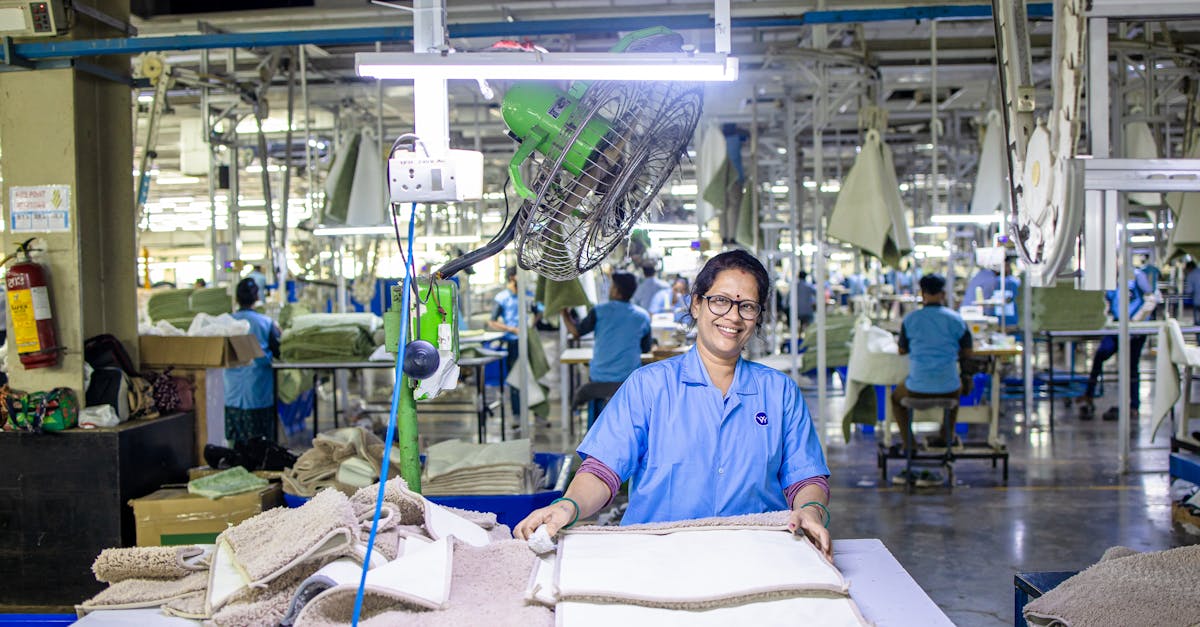
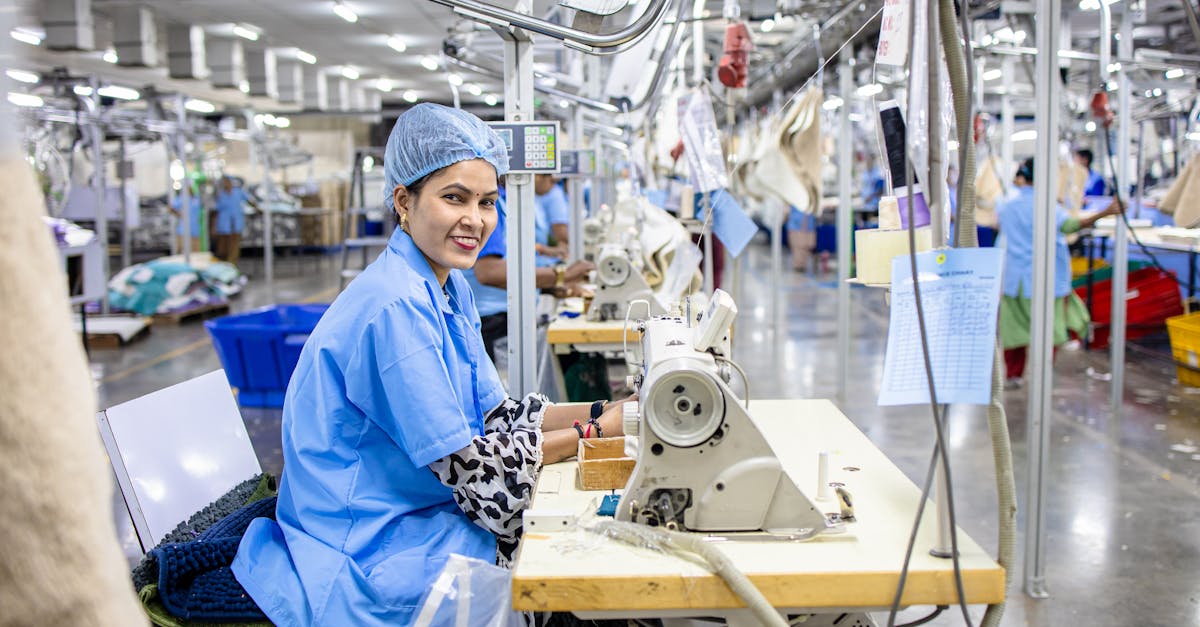
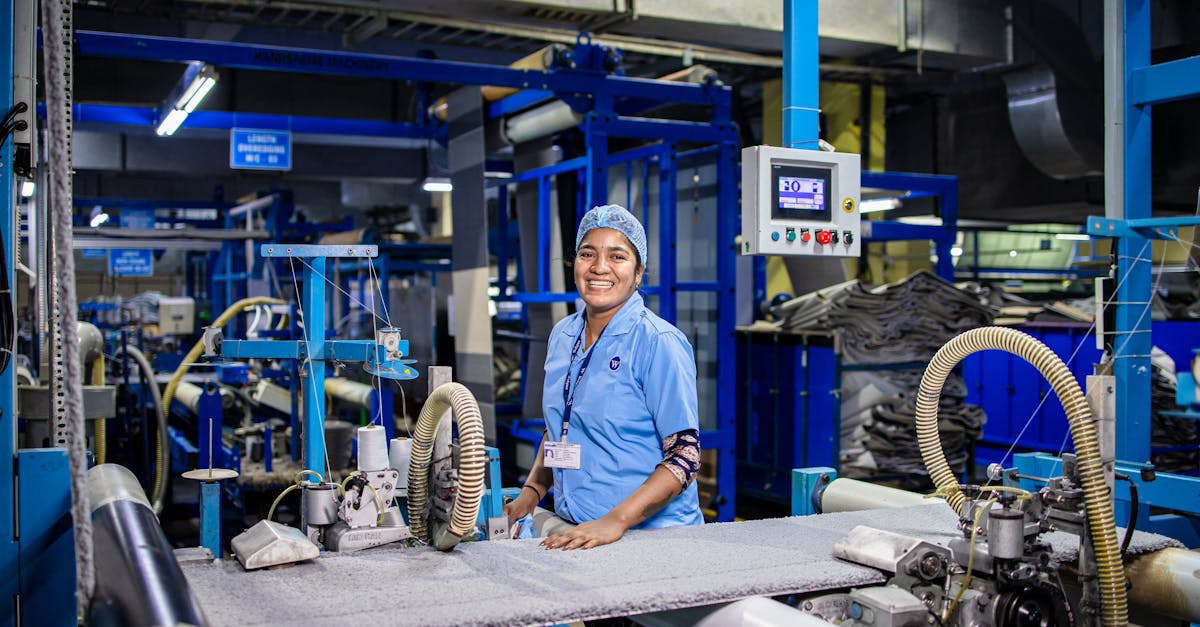
Delving deeper reveals notable variances across industries. While sectors like technology and finance boast productivity growth, industries such as manufacturing and retail appear to be floundering. Manufacturing productivity has been capped at just 0.4%, suggesting that the sector, despite technological advancements, lacks the necessary shifts to improve output per hour worked. The inconsistency paints a picture of an economy in flux, struggling to adapt to new norms.
The Tightrope of Interest Rates
The current interest rate of 3.63% reflects the Fed’s effort to tackle stubborn inflation without quashing economic growth. As borrowing costs increase, businesses may become reticent to invest in innovation and workforce training, further constraining productivity potential. This delicate equilibrium the Fed must maintain could hold the key to revitalizing sluggish productivity levels, but how much longer before the constraints become detrimental?
Glimmers of Hope
Though the immediate outlook for productivity growth appears dismal, a resurgence in technological adoption—particularly artificial intelligence and automation—offers a glimpse of a potentially transformative future. These innovations may bolster efficiency in the long run, enticing sectors currently bogged down by traditional practices. Moreover, a focus on workforce development and training could help unlock latent potential within the existing labor force.
The road ahead will be riddled with challenges, yet innovation may just be the spark needed to ignite labor productivity once more. If American businesses capitalize on technological advances while navigating economic pressures wisely, a new chapter in productivity growth could still be on the horizon.