Labor Productivity Takes a Hit
U.S. labor productivity has ground to a halt, with the latest figures from the Bureau of Labor Statistics indicating a mere 0.7% increase in output per hour worked for the first quarter of 2026. This stagnation comes as businesses grapple with rising operational costs, inflation clocking in at 3.3%, and an unemployment rate of 4.3%.
Contextualizing the Numbers
This lackluster growth in productivity is starkly contrasted by major economies such as Germany and Japan, where productivity per hour has increased by 1.5% and 1.3% respectively, demonstrating that American workers are falling behind in efficiency gains. Last year, U.S. productivity growth was at 1.2%, already seen as slow compared to historical averages. Now, this recent dip suggests that American businesses are increasingly stretched, forced to make do amid stagnant growth factors.
Furthermore, the Federal Reserve’s current interest rate at 3.64% adds an additional layer of strife for businesses seeking to invest in innovation and expansion. Higher borrowing costs potentially suppress capital investments that could boost productivity—an essential component for long-term economic prosperity.
The Role of Inflation in the Productivity Equation
Inflation plays a pivotal role in this productivity conundrum. As consumer prices rise, businesses contending with higher input costs often face pressure to increase wages, which in turn can limit their ability to invest in productivity-enhancing technologies. Recent BLS data reveals that real average hourly earnings have not kept pace with inflation, diminishing consumer purchasing power and posing challenges for economic growth.
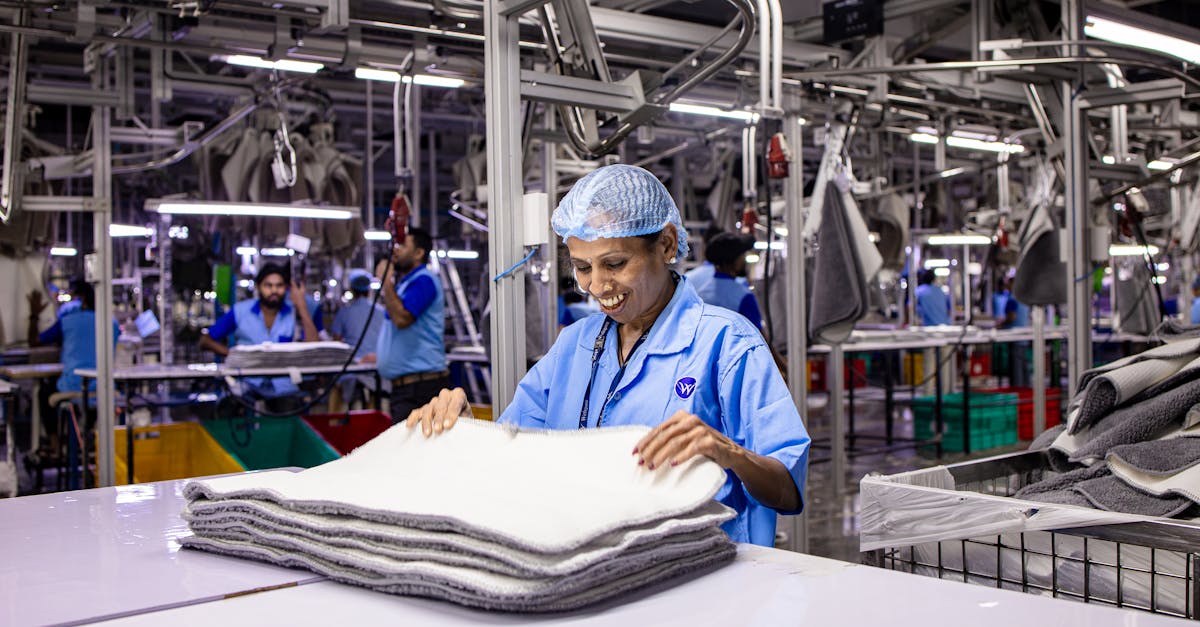
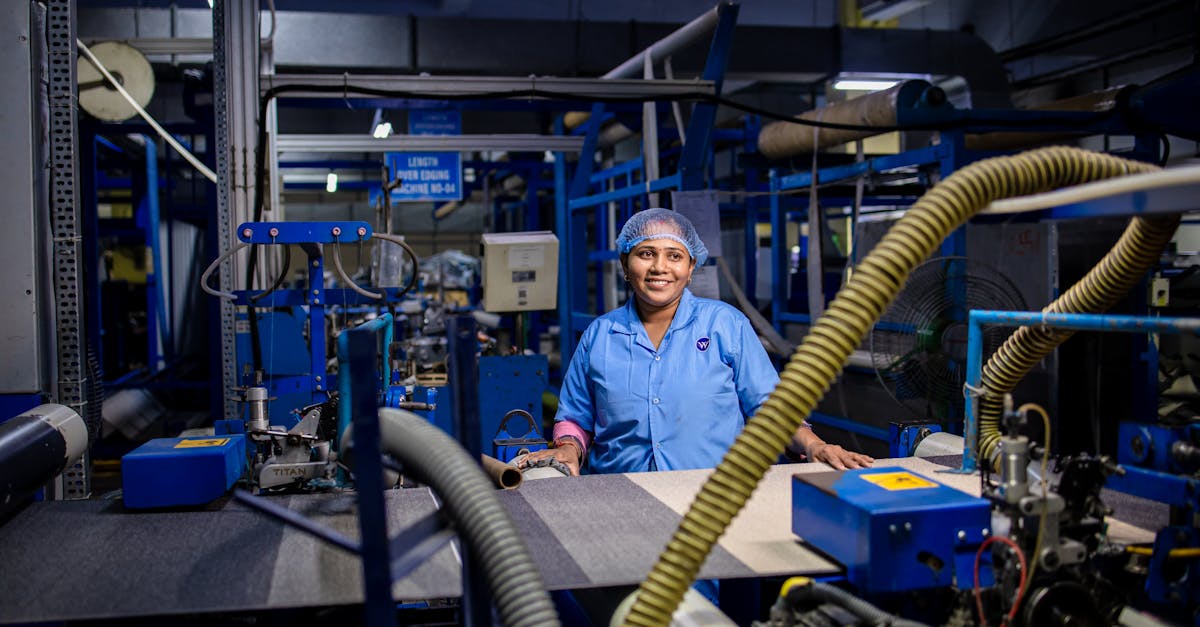
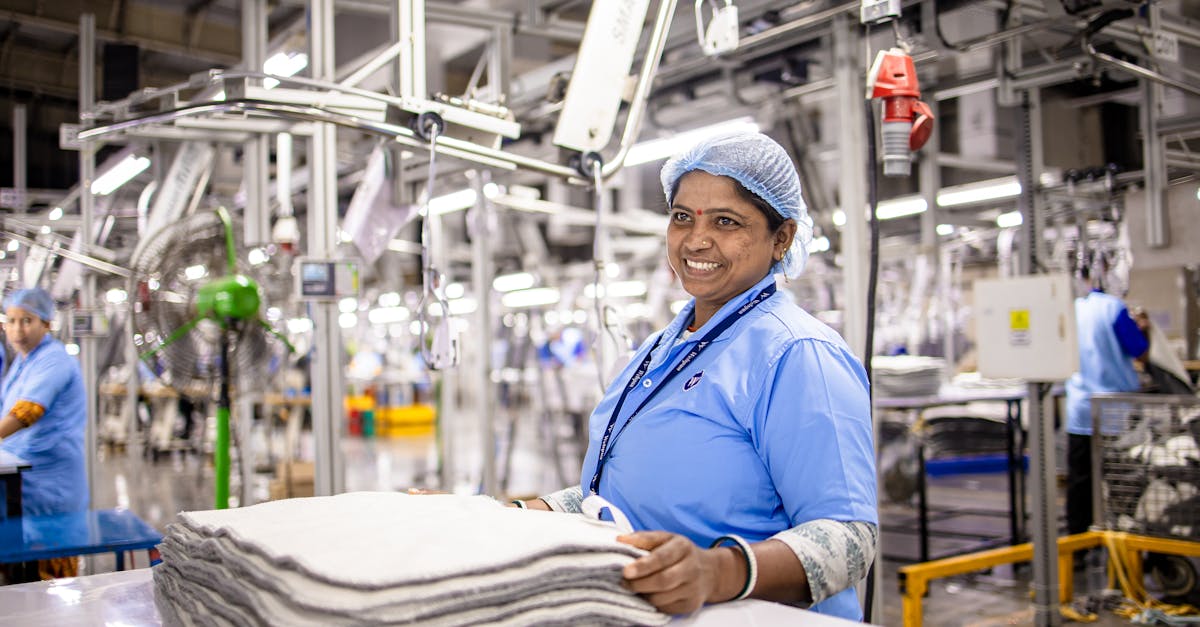
A closer look reveals that sectors such as manufacturing and retail, where hourly productivity rose just 0.5%, have hit a critical juncture. The ability to adapt to these economic pressures has become increasingly arduous, with labor shortages compounding the situation as businesses struggle not merely to maintain but to enhance productivity levels.
Navigating Workforce Challenges
Moreover, the tight labor market—reflected by an unemployment rate that hovers at 4.3%—adds complexity. Companies in sectors like hospitality and education report difficulty in hiring skilled workers, which directly undermines productivity goals. Without a robust influx of talent, firms find it challenging to innovate or optimize current workflows, further squeezing productivity improvements.
The Innovation Impasse
Many businesses have begun to explore automation and technological upgrades as avenues for recovery. However, according to recent surveys, hesitation looms amid concerns about operational costs and uncertain economic conditions. Without committing to technology investments, American firms risk remaining trapped in a cycle of stagnation.
Looking Beyond the Present Challenges
The pressing question arises: can U.S. productivity rebound in a landscape shaped by inflation and a cautious labor environment? With the Fed’s current interest rates maintaining a tight grip on borrowing costs and inflation persisting as a wild card, the path forward remains fraught with uncertainty. Workers and businesses alike will need to harness creativity and resilience to navigate these challenging times and elevate productivity to new heights.