Just 1.5% Growth: A Cause for Concern
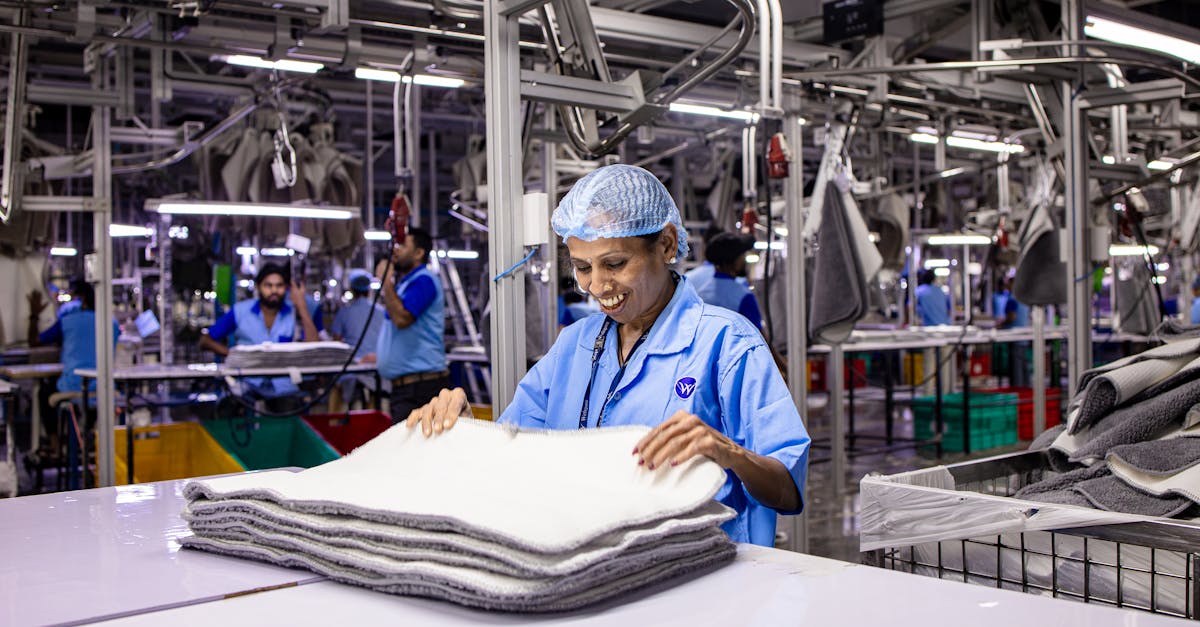
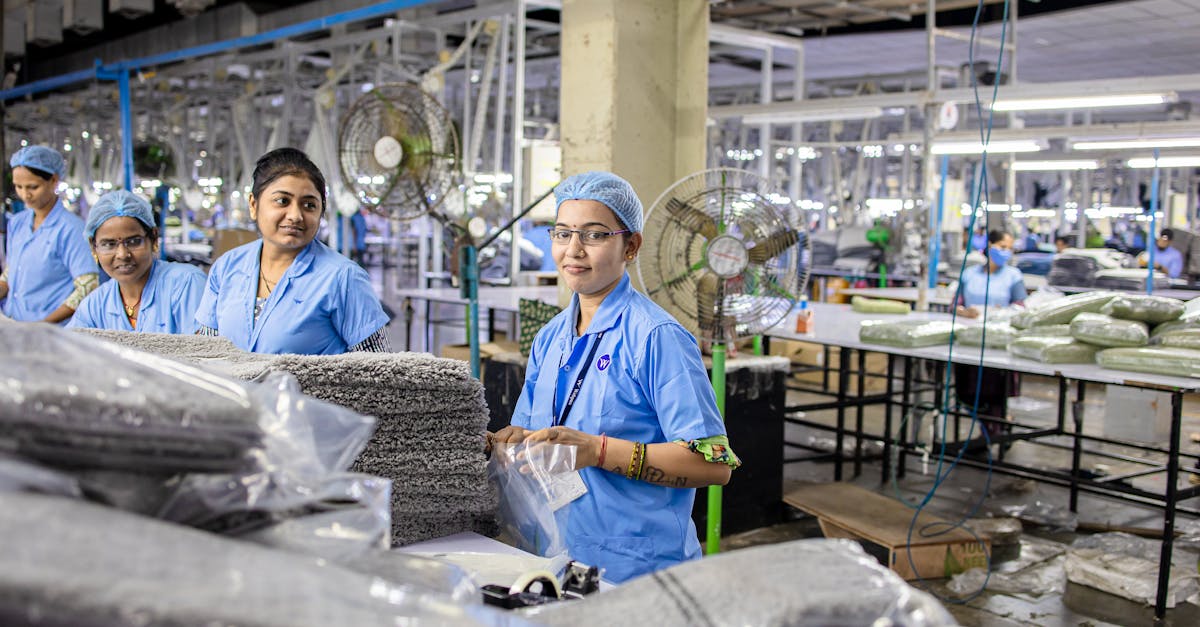
Labor productivity in the United States grew by a modest 1.5% in the last four quarters, a stark indication that the economy may not be harnessing its workforce efficiently. This figure, reported by the Bureau of Labor Statistics, is underwhelming when contrasted with prior years, where annual growth often surpassed 2%. The slowing productivity growth raises alarms as the economy grapples with inflation hitting 3.3% and an unemployment rate resting at 4.3%.
Dissecting the Numbers
While a single percentage point may seem trivial at first glance, consider that this 1.5% reflects a broader trend that has seen U.S. productivity growth wane since the late 2010s. During the boom of the 1990s, productivity soared by an average of 2.5% annually, suggesting a dramatic shift in economic dynamics over the past few decades. Comparatively, many European nations like Germany and France have achieved productivity growth rates around 2.1% recently, indicating that U.S. labor efficiency is lagging behind global competitors.
The Ripple Effects of Stagnation
A lower productivity growth rate can have profound effects on wage growth and overall economic health. Historically, productivity and wages have traveled hand in hand; as workers become more productive, they tend to earn higher wages. Yet, with inflation hovering at 3.3%, real wage increases have become increasingly difficult to attain. Average hourly earnings, despite nominal gains, have not kept pace with rising living costs, effectively squeezing middle-class Americans further.
Sectoral Breakdown
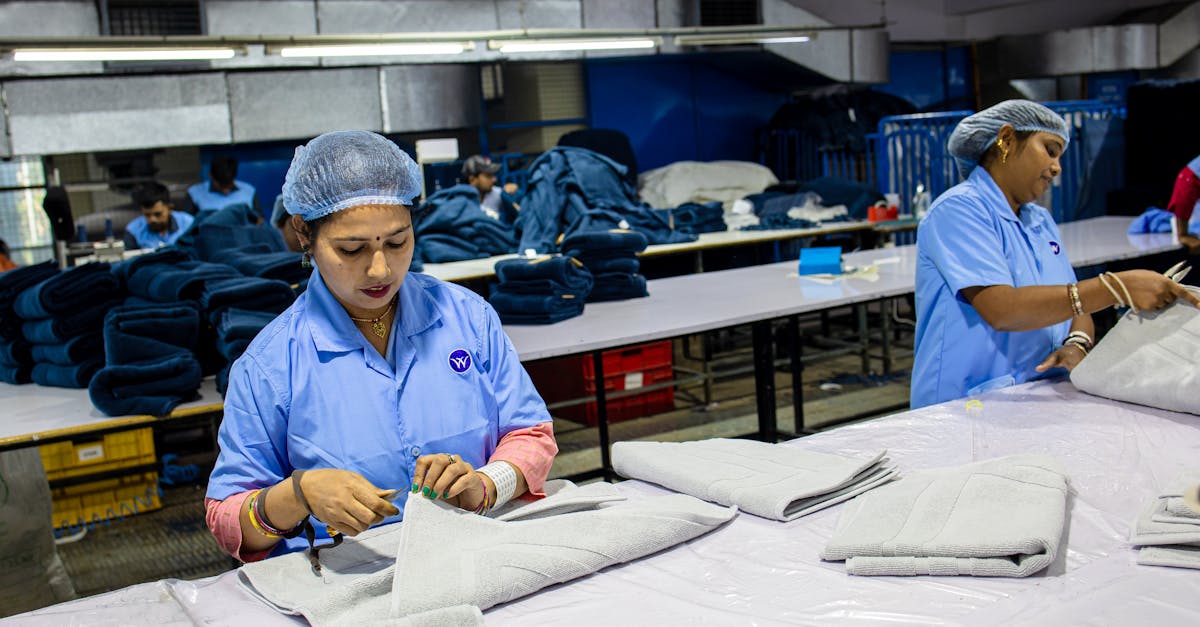
When examining productivity by sector, disparities emerge. The manufacturing sector saw a productivity increase of just 0.5%, significantly lagging behind the highs of recent years that routinely climbed above 3%. In contrast, the information sector managed a commendable 3.5% growth, benefitting from digital transformations that have reshaped productivity metrics. This stark variance underscores critical conversations about investment allocation — are we maximizing our human capital effectively across industries?
Navigating Economic Waters
The interplay between productivity, inflation, and unemployment paints a complex picture of the current U.S. economy. The Fed’s interest rate decisions to combat inflation must consider the implications for growth — high borrowing costs can stifle the innovation required for productivity gains. As businesses pull back on investments in technology and skill development, a vicious cycle may emerge where low productivity leads to lackluster growth, keeping inflation persistently high.
A Future in Limbo
Amidst the chatter of economic recovery and labor market tightening, the recent productivity numbers suggest urgency. The U.S. must recalibrate its strategy for harnessing innovation and improving workforce skills. Staying competitive means not only adapting to current challenges but proactively reshaping the economic narrative. A productive workforce is the backbone of a resilient economy — one that needs to be nurtured to weather future storms.