A Family’s Choice at Dinnertime
Imagine the Johnson family, gathered around a modest kitchen table for dinner. Amid the aroma of spaghetti simmering on the stove, there’s a palpable tension in the air, not just from the fading light of the day, but from the uncertainty surrounding their finances. As sixteen-year-old Lily perseveres through her economics homework, she overhears her parents discussing the stock market. It’s not just numbers; it feels personal. A fall of the S&P 500 could mean little extra for weekend activities or a dip in their savings for college.
The Wall Street Ripple Effect
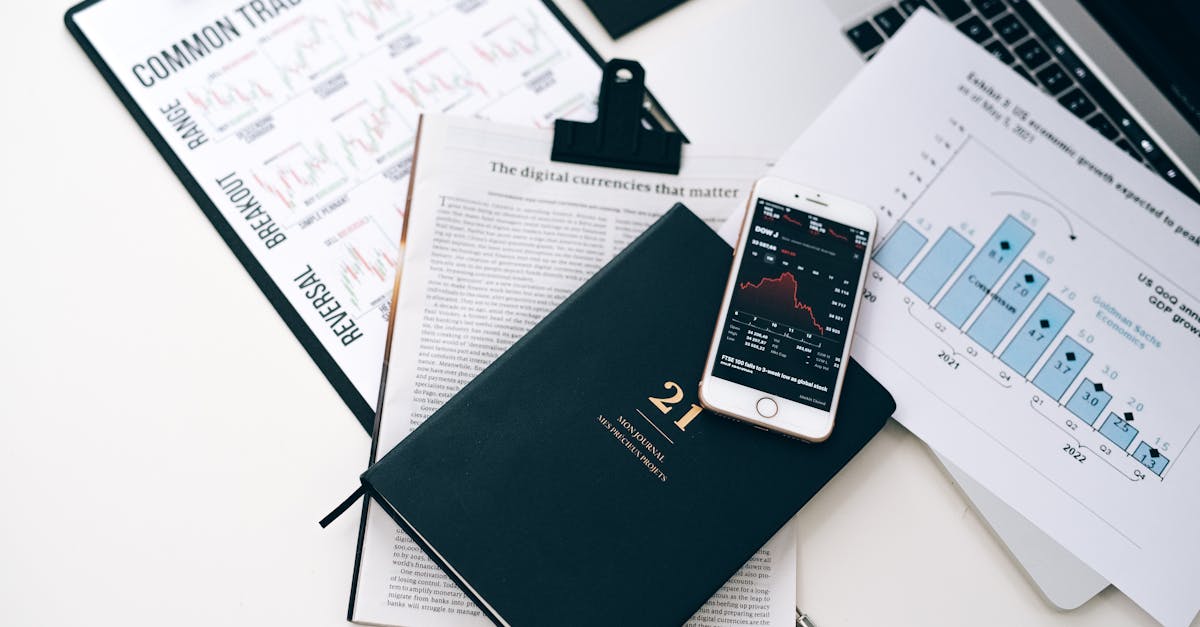
Not far away, the stock market has recently seen fluctuations that echo through the lives of families like the Johnsons. The S&P 500 experienced a sharp correction last week, reflecting broader concerns not unlike those murmured over their dinner table. These shifts are intertwined with existing economic parameters: inflation holding at 4.2% and unemployment rising to 4.3%. With such metrics, each tick in the market feels like a potential dent in family budgets across the nation.
Consider this: when the share prices of big corporations fluctuate, investor sentiment can sway like a pendulum. If the stock market tumbles down a few percentage points, it often triggers increased caution among businesses. Executives might even cut back on hiring or shelve plans for expansion, a reality that affects Lily’s dad, a middle manager at a local manufacturing firm. He fears that less robust earnings may translate into a hiring freeze, or worse—a job loss. Last year, his company experienced a modest growth rate of around 2.5%, just enough to keep employees secure, but it’s the unpredictability that gnaws at them.
Interest Rates and the Everyday Budget
The economic backdrop of interest rates complicates matters further. The Federal Reserve has maintained an interest rate of 3.63%, which, while lower than the historical average, still looms large for families contemplating loans or mortgages. For the Johnsons, the dream of buying a larger home feels more elusive than ever. The same market that might seem abstract to an outsider is very tangible—each rise in rates makes financing a home a bit scarier, a bit more daunting, much like Lily’s looming high school graduation.
This family’s dream of homeownership is shaped by another invisible hand: the stock market. If the indices bounce back and investor confidence surges, people may feel wealthier and more inclined to invest in homes, which could raise prices further. It’s an echo chamber of emotions echoing through finance and family.
Daring to Plan for the Future
Through this web of interconnectedness, opportunities sometimes emerge. Facing a volatile stock market and economic uncertainty, innovative small businesses are born. Johnny, a colleague of Lily’s dad from work, recently started an online tea business aimed at health-conscious consumers. Despite the risks tied to market instability, Johnny was motivated by the gap he saw in the wellness sector. Market fluctuations often provide unique opportunities for adaptable entrepreneurs like him, eager to seize the moment when larger corporations hold back.
Back at the Table
As dinner draws to a close, the Johnsons decide on a tentative plan: hold off on any major purchases for now while assessing the trends in both the stock market and the broader economy. The conversation shifts to Lily’s potential college choices, but underlying their decisions is a palpable anxiety about how a single, seemingly distant market correction can reverberate through the intricate fabric of their lives. The stock market, after all, is not just for traders in suits; it’s the heartbeat of American life, affecting every family dinner and every future plan.
In this complex interplay between finance and daily existence, families like the Johnsons are left to navigate choices shaped by external forces, wary yet hopeful of how the game plays out. What might seem like abstract numbers to some are deeply woven into the decisions that will drive the next chapter of their lives.