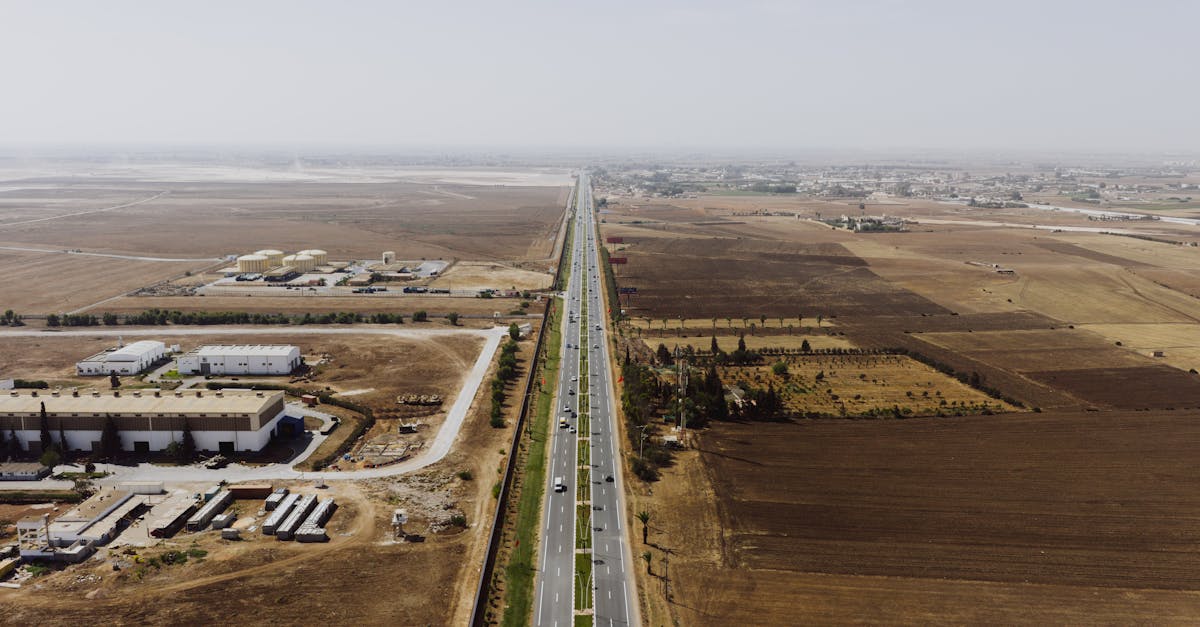
Navigating America’s Regional Economic Disparities
How does geography shape economic reality in the United States? The answer lies in a complex web of factors—natural resources, industry composition, policy decisions, and even historical context—all contributing to varied economic landscapes across states and regions.
Uneven Resource Distribution
To understand regional economies, consider the role of natural resources. States like Texas and North Dakota benefit from vast oil reserves, which fuel local economies through both direct employment in oil extraction and indirect support in related sectors like transportation and construction.
Cause: Resource availability.
Mechanism: States with abundant resources often see higher investments and job creation in those industries.
Effect on real people: For instance, in North Dakota, the oil boom led to a 17% increase in jobs in the energy sector from 2010 to 2014, reducing unemployment to half the national average at times. However, the volatility of oil prices also makes these economies susceptible to rapid downturns once prices drop.
Industry Concentration and Economic Stability
Conversely, regions reliant on a narrow range of industries face unique challenges. Take the Midwest, known for manufacturing. While this sector is crucial for economic activity, a decline in manufacturing jobs has affected states like Ohio and Michigan. In addition, these regions are not easily diversified, creating vulnerabilities.
Cause: Limited industrial diversification.
Mechanism: Heavy reliance on a singular industry can create economic stagnation during downturns.
Effect on real people: As factories closed, a significant portion of the workforce faced unemployment, leading to urban depopulation and a decline in property values. The loss of jobs has real impacts on community cohesion and local businesses, as seen in Detroit.
Policy and Economic Climate
The role of policy can either exacerbate or mitigate regional economic differences. States with business-friendly policies—think lower corporate taxes in places like Florida and Texas—often attract talent and investment. Conversely, states with higher taxes or regulatory barriers may find it harder to lure businesses.
Cause: State-level policy decisions.
Mechanism: Investment flows into states perceived as having conducive business environments.
Effect on real people: For example, Texas has become a tech hub, with an influx of companies and talent, which leads to job creation and wage growth. In 2023, the tech sector in Austin grew by over 25%, enhancing overall economic health in the area. Meanwhile, states that lag in attracting businesses often see stagnant wages and limited employment options.
Key Economic Indicators
- Inflation: 3.3%
- Unemployment: 4.3%
- Interest Rate: 3.64%
Rural vs. Urban Divide
The economic divide isn’t just geographic; it’s also urban versus rural. Urban areas benefit from economies of agglomeration—where businesses cluster together, leading to shared resources and efficiencies. In contrast, rural regions often face higher unemployment rates and lower wages, partially due to limited access to education and training programs.
Cause: Access to education and resources.
Mechanism: Cities offer better access to jobs, educational institutions, and technology.
Effect on real people: In rural Appalachia, for instance, the lack of opportunities leads many to seek work out of the area, further draining local economies and leaving behind aging populations.
What to Watch
As the Federal Reserve grapples with interest rates currently at 3.64%, expect varying reactions across regions. Higher rates could cool down housing markets in hot urban centers while burdening rural areas already struggling with economic hardship. The differing impacts of monetary policy may further widen the economic gap, highlighting the importance of tailored economic strategies for diverse regional needs. Understanding and addressing these dynamics will be essential for policymakers aiming to create more equitable growth across the nation.