A Debt That Dwarfs Economies
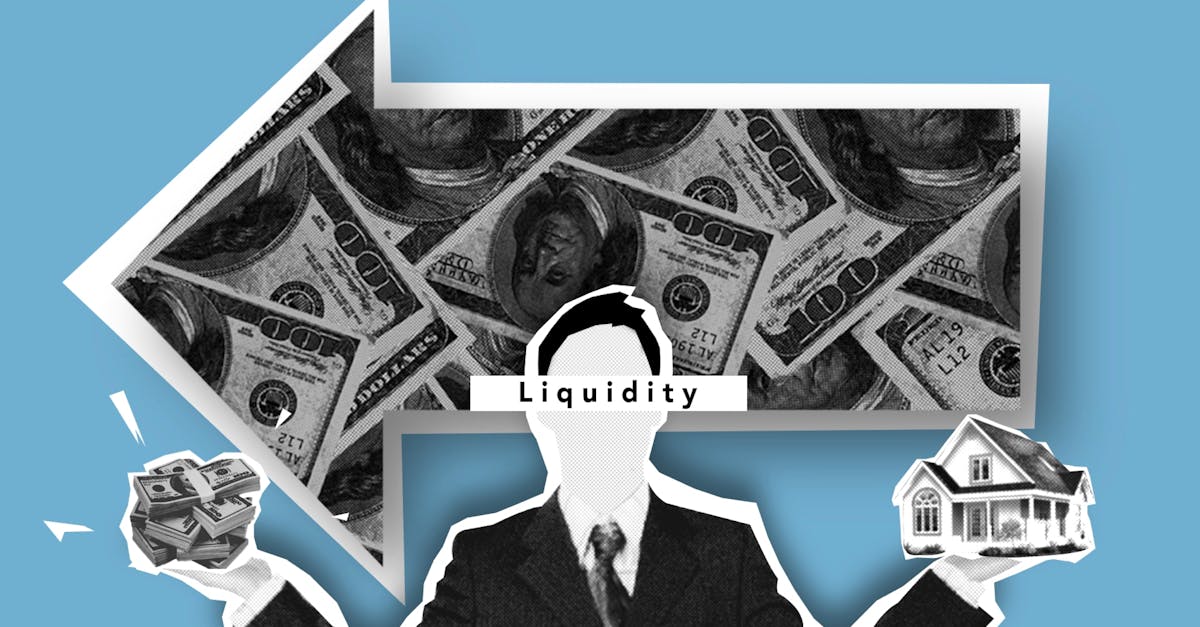
The staggering figure of $31 trillion stands out starkly against a backdrop of national conversations about fiscal responsibility and economic resilience. This represents the total national debt, more than the combined GDP of China, Japan, and Germany, making it clear that America is navigating uncharted financial waters.
The Debt Dilemma
The debt-to-GDP ratio crossed 123% as of mid-2023, a level not seen since World War II. This figure reflects the growing concerns about the sustainability of U.S. fiscal policy, highlighting the delicate balance between stimulating growth and maintaining fiscal prudence. The implications? Future generations may inherit not just a legacy of economic might but a bill that could lead to unprecedented tax burdens and squeezed public services.
Policy Responses in Play
In response to this alarming debt accumulation, policymakers have turned to a mix of fiscal measures, including increased federal spending and tax reforms. The Congressional Budget Office (CBO) warns that without changes, interest payments alone could consume 20% of the federal budget by 2030. This would limit investments in vital areas such as education and infrastructure, directly affecting American households.
Wages Under Pressure
The reverberations of this fiscal strategy are already being felt in your paycheck. Inflation-adjusted wages fell by 3% in the last 12 months, according to the Bureau of Labor Statistics. As the Federal Reserve ramps up interest rates in its fight against inflation, the impact on borrowing costs and consumer spending becomes painfully apparent.
The Cost of Living Crisis
As the government gears up for potential future spending cuts or tax hikes, everyday Americans face a near-term crisis. Rising borrowing rates make homes, cars, and credit lines less affordable, pushing families to reconsider budgets and investments. In September 2023, the average 30-year mortgage rate surged to 7.57%, a burden that effectively prices out first-time homebuyers.
A Shifting Economic Terrain
As fiscal policy continues to evolve, the Fed’s recent decisions to raise interest rates have led to heightened uncertainty. The central bank’s commitment to combating inflation by reducing bond purchases could mean further tightening of financial conditions, inflating the cost of existing government debt obligations. The ripple effects will undoubtedly influence market confidence and consumer behavior, steering the economy toward an unpredictable course.
The Stakes Are High
In this tightly interconnected framework, any slip in public trust or sudden market reactions could amplify the costs of servicing this monstrous debt, amid increasingly vocal calls for fiscal reform. Households already feeling the squeeze may soon need to brace for impacts that extend beyond monthly budgets.
What’s Next in this Fiscal Dance?
As America grapples with the dual challenge of soaring debt and inflation, the conversation around fiscal policy promises to intensify. Expect vigorous debates as new measures are proposed, evaluated, and — potentially — rejected, all while citizens watch the unfolding drama of their economic future.