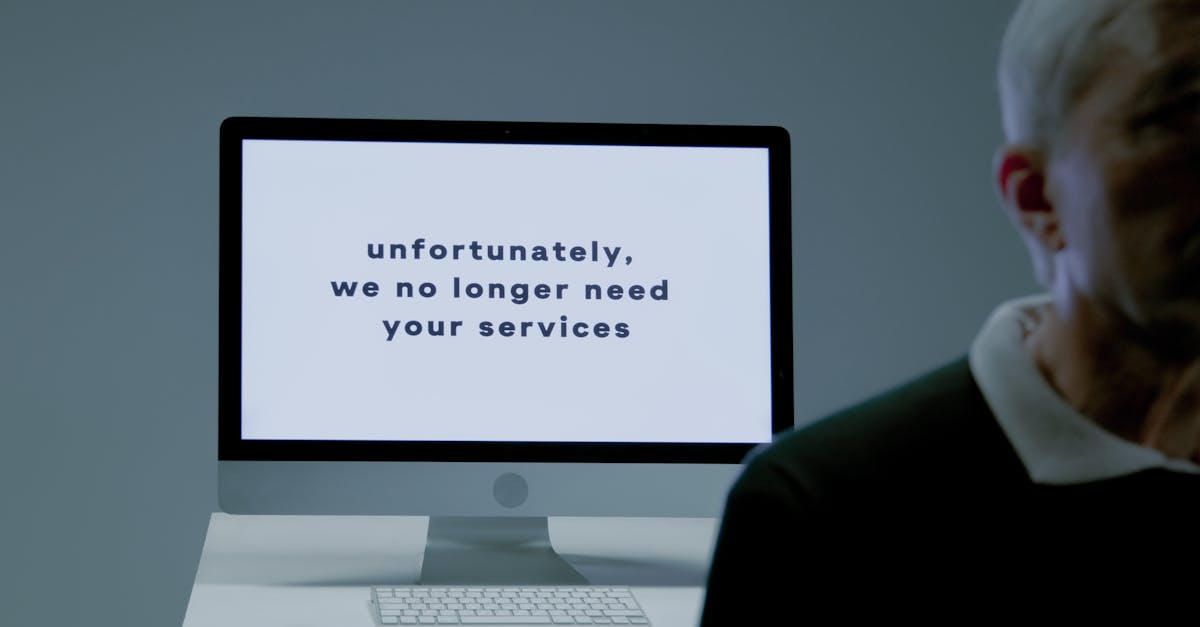
The Reality Check of 4.3%
A recent pulse on the American economy reveals an unsettling 4.3% unemployment rate as of May 1, which, while seemingly stable, belies deeper concerns about the labor market’s volatility and underlying economic pressures. This figure represents a marginal decline from the previous year’s 4.5%, hinting at a slight improvement; however, a broader context exposes several troubling anomalies beneath the surface.
U.S. Unemployment in a Global Context
In an international landscape, the United States struggles to keep pace with several developed nations. For instance, as of early 2026, Germany boasts an unemployment rate of only 3.2%, and Japan stands at 2.8%. While America’s 4.3% is comparable to the recent rates observed in countries like Canada (5.0%), a key differentiator lies in labor force participation. The U.S. rate is particularly concerning when juxtaposed against its own historical performance, lingering around 3.6% in 2022. Moreover, the labor force participation rate remains at about 62.6%, far below pre-pandemic levels of approximately 63.3%.
Underemployment: The Hidden Crisis
When analyzing employment data, underemployment often goes unnoticed. A considerable number of individuals are not only unemployed but also gravely underutilized in part-time or low-wage work. Data from the Bureau of Labor Statistics (BLS) indicates that 8.3% of the labor market is categorized as underemployed, which includes those wishfully seeking full-time positions but unable to secure them. This revelation showcases a workforce still grappling with the remnants of economic disruption, a stark contrast to merely assessing the headline unemployment figure.
Youth and Minority Employment Rates Paint a Grim Picture
Disaggregating the data by demographics tells a troubling narrative. The unemployment rate for young adults (ages 16-24) reaches a staggering 11.8%, more than double the national average. For Black Americans, the number is even bleaker at 7.6%. These statistics illuminate stark inequalities and highlight enduring systemic barriers that prevent equitable economic participation.
Navigating the Economic Landscape
The Fed’s incremental actions in response to inflationary pressures, with expected rate hikes later in the year, could serve to further cool an already precarious job market. Employers, feeling the sting of higher borrowing costs, may cautiously curtail hiring or even begin layoffs in response to tighter financial conditions. While the economy’s addition of jobs has slightly outpaced layoffs recently, uncertainty hangs over the future as various sectors struggle with inflation and changing consumer behaviors.
A Labor Market in Transition
As technology continues to reshape the workforce, certain segments see growth while others decline. Data indicates growing sectors in renewable energy and technology, yet displacement in traditional industries poses a challenge for adaptation and retraining. According to a recent report, projected job growth in tech could outstrip other sectors, but will the workforce be ready to pivot accordingly?
A Future Defined by Resilience
Moving forward, the economic landscape signals a dual narrative: an economy continuing to show resilience while revealing strains that necessitate vigilance. As policymakers assess the correlation between unemployment and economic health, the need for adaptive workforce strategies, investment in upskilling programs, and safety nets for vulnerable populations is more critical than ever. The path ahead is riddled with uncertainty, yet the potential for innovation and renewal remains palpably present for those ready to seize it.