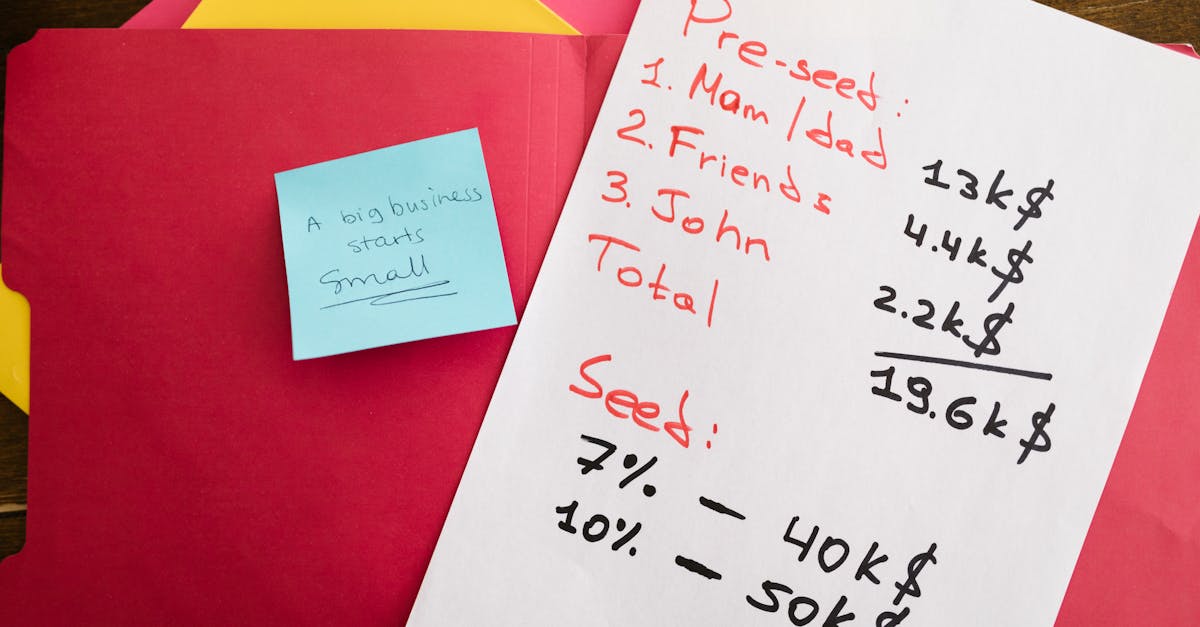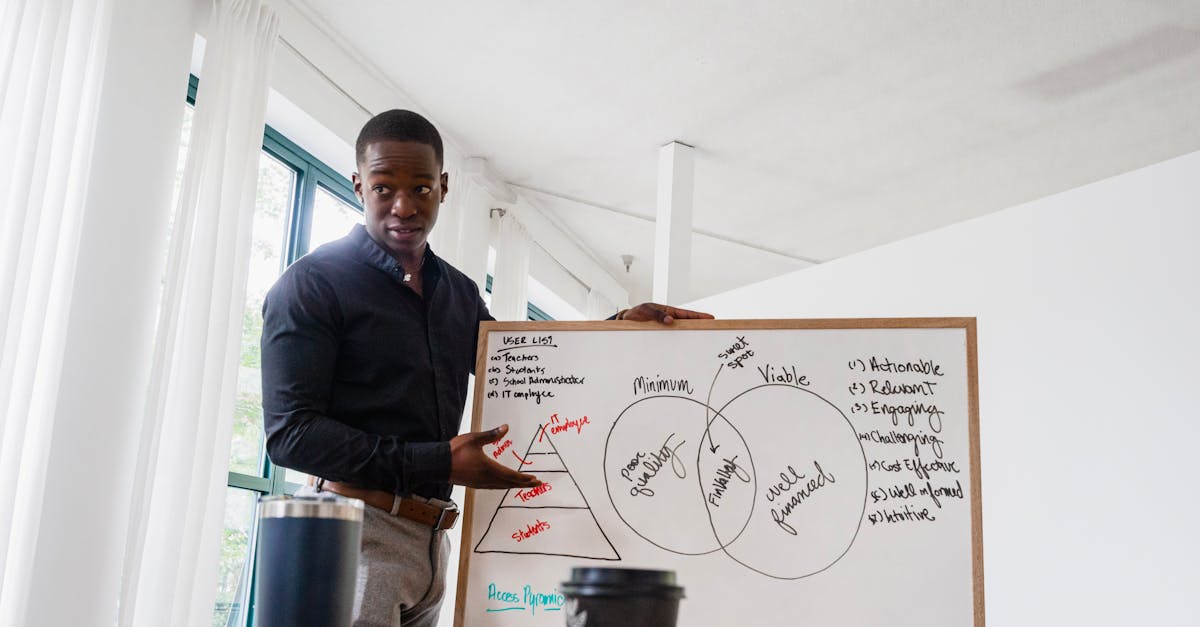
The small business sector is a colossal engine, representing 99.9% of all U.S. businesses and employing nearly 61 million people, according to the Small Business Administration. This sizable share reflects not only the vibrant entrepreneurial spirit across the nation but also the tangible impact these enterprises have on economic stability and job creation amid fluctuating economic conditions.
With inflation at 3.3%, unemployment resting at 4.3%, and interest rates hovering around 3.64%, the backdrop for small and medium-sized enterprises (SMEs) is multifaceted. Inflation erodes purchasing power, which challenges SMEs, particularly those reliant on consumer spending. Rising costs can push businesses into tough positions, forcing them to make decisions about pricing, wages, and investments with significant implications for growth and stability.
The resilience of small businesses becomes clearer when examining their adaptability. SMEs have been known to pivot rapidly in response to economic shifts, with many expanding their digital presence to offset disruptions caused by inflation and supply chain issues. For example, e-commerce platforms saw a surge in small business participation, jumping from 18% in pre-2020 to approximately 77% by early 2023, reflecting an embrace of technology that may sustain growth despite economic pressures.
However, the entrepreneurial landscape is not without its hurdles. The rising interest rates can complicate borrowing options for SMEs, making it increasingly difficult for them to finance expansion or navigate cash flow challenges. With interest at 3.64%, small businesses face additional costs that can stall critical investments or necessitate difficult cuts in operations. This is particularly concerning as government assistance programs, designed to buffer these entities during economic downturns, may see their efficacy dwindle amid higher borrowing costs.
Examining sector-specific performance offers a more nuanced view of opportunities and challenges. The service sector, which encompasses over 70% of SMEs, continues to rebound strongly with employment growth. Yet, sectors like retail show varied performance due to consumer trends shifting toward online shopping and away from physical storefronts. This bifurcation within SMEs highlights the importance of adaptability in strategies as economic conditions continue to evolve.
For individuals looking to jump into entrepreneurship, the current climate is one of both opportunity and caution. With small businesses exhibiting robust resilience, those who can leverage technology while maintaining cost-effective operations may find fertile ground for innovation. Furthermore, resource availability and mentorship networks are more accessible than ever, encouraging a new generation of entrepreneurs to shape the SME landscape.
A pivot towards sustainable practices also surfaces as a growing consideration among small enterprises, aligning with increased consumer preference for environmentally responsible brands. SMEs adopting eco-friendly models can attract a dedicated customer base, providing a dual benefit of differentiation and contribution to broader societal goals.
The future of American entrepreneurship hinges on a delicate balance of navigating economic headwinds while seizing emerging opportunities. As entrepreneurs chart their paths, maintaining agility will be critical in a landscape defined by both challenges and potential breakthroughs.