A Jaw-Dropping $400,000
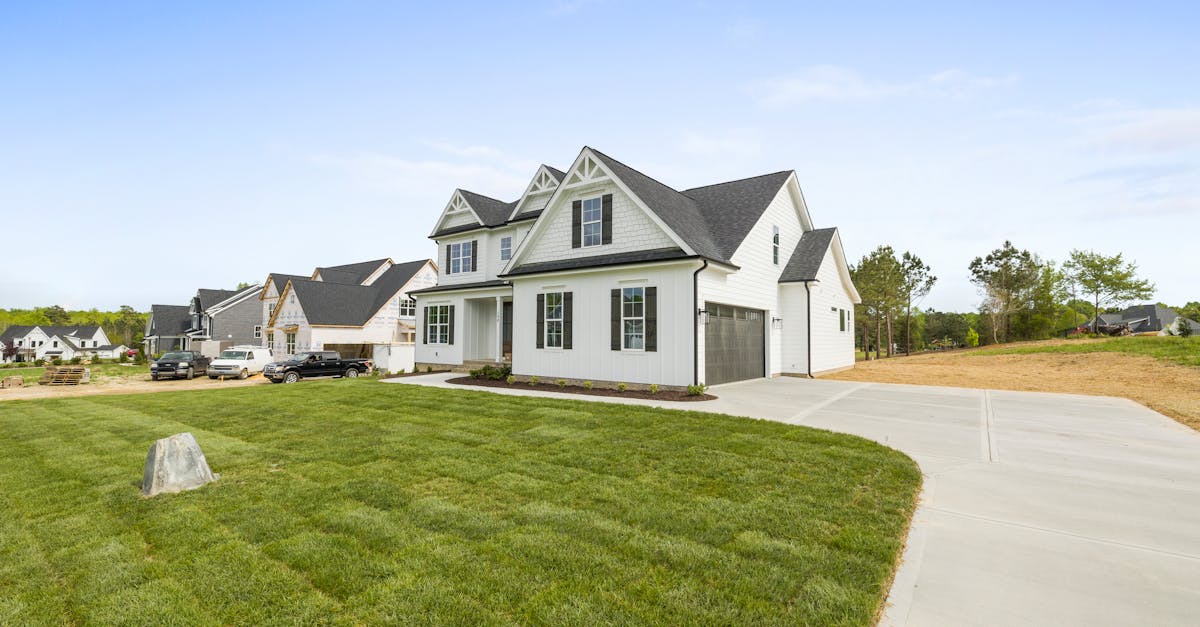
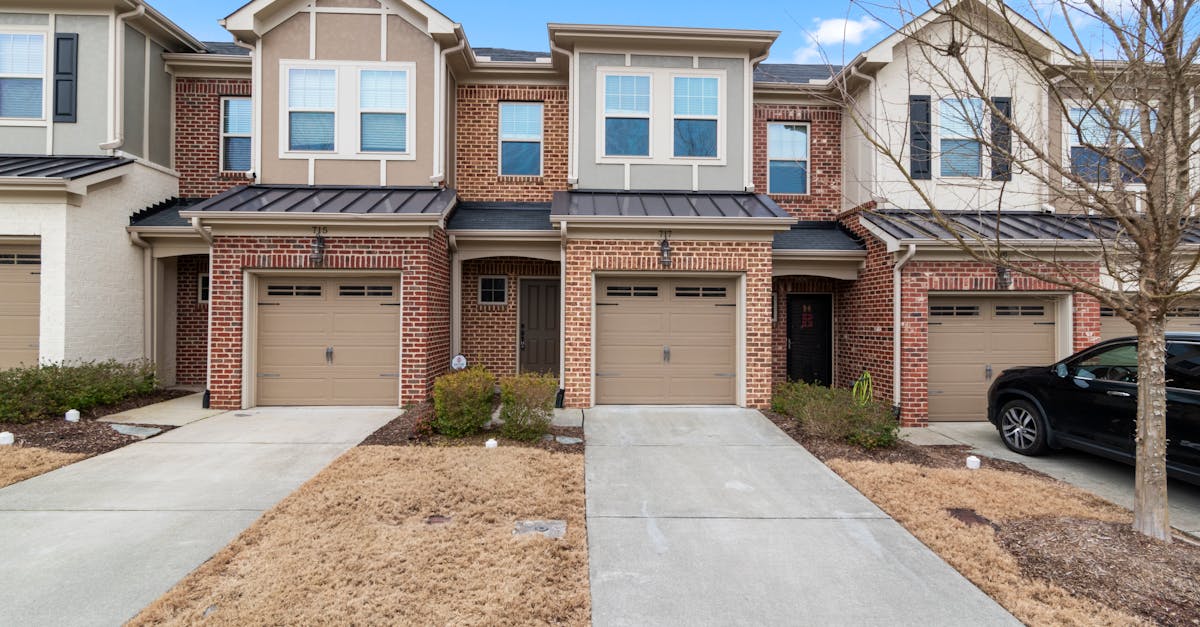
The median sales price for existing homes in the U.S. reached a staggering $400,000 in August 2023, marking a 2.4% increase from just one year prior, as reported by the National Association of Realtors. This figure illustrates not just a resilient market amidst economic fluctuations but also signifies ongoing affordability challenges for many potential homebuyers. For many Americans, this price ceiling is a chilling reminder of how far homeownership remains out of reach, especially compared to median household incomes hovering around $75,000.
Supply Shock in the Market
Inventory struggles continue to plague the housing market. The latest data reveals only 1.1 million existing homes for sale, a drop of 14% from the previous year. With new construction lagging and many homeowners reluctant to sell due to higher mortgage rates, this tight supply exacerbates housing costs, disallowing many would-be buyers from entering the market. The combination of lower supply and escalating demand paints a troubling landscape for affordability.
The Interest Rate Effect
Rising mortgage rates place a significant hurdle for prospective homebuyers. The 30-year fixed mortgage rate has surged to around 7.5%, the highest seen in over two decades, according to Freddie Mac. Higher borrowing costs mean that a median-priced home could come with monthly payments exceeding $2,500, which can strain household budgets, especially for younger buyers who are already feeling the pinch from inflation in other areas like food and fuel.
Generational Divides
The dream of homeownership feels increasingly elusive to younger demographics. A survey by the National Association of Realtors shows that 83% of millennials believe their financial situation has worsened since the pandemic, making saving for a down payment challenging. For those aged 25-34, only 39% own a home compared to 54% of their parents’ generation at the same age. The widening generational gap in homeownership highlights systemic issues affecting wealth accumulation in millennials and Generation Z.
Regional Disparities
Regions across the country reflect stark differences in housing prices. Coastal markets such as San Francisco and New York City are witnessing prices that far exceed national averages, while areas in the Midwest, like Cleveland and Detroit, remain more affordable. For example, the average home price in San Francisco hovers at approximately $1.5 million, making it one of the most unaffordable markets by national standards. Such discrepancies influence where individuals and families choose to settle and can lead to demographic shifts both regionally and economically.
The Future of Homeownership
Looking ahead, many experts suggest that while prices may stabilize, the fundamental mismatch between supply and demand is likely to persist. As interest rates remain elevated, potential buyers are bracing for a prolonged period of uncertainty. Whether current homeowners decide to leverage their existing properties for new opportunities or hold on as the market adjusts will likely shape the landscape in the months to come.
A new chapter awaits in housing as both buyers and sellers navigate this complex environment.