Navigating the Waters of American Consumer Spending
3.3% — that’s the annual inflation rate for March, a figure that sits at the forefront of the economic landscape as consumers adjust their spending habits. This persistent inflation has markedly influenced consumer behavior, prompting responses that ripple through various sectors of the economy. As prices rise, the decision-making apparatus of households has to adapt, shifting priorities in where and how money is allocated.
While consumer spending grew at a nominal annual rate of 4.1% in the first quarter, a closer look reveals that real consumption, adjusted for inflation, is only modestly increasing. This indicates that while nominal figures appear robust, the actual purchasing power is diminishing, showcasing a troubling imbalance where consumers feel the strain yet continue to engage with the economy, albeit cautiously.
The Impact of Inflation
Amid rising costs, essential categories like food and energy saw substantial price hikes. Data from the Bureau of Labor Statistics reveals that food prices surged by 5.1% and energy costs climbed by 7.5% in recent months. These spikes force households to readjust budgets and prioritize needs over wants, ultimately affecting discretionary spending.
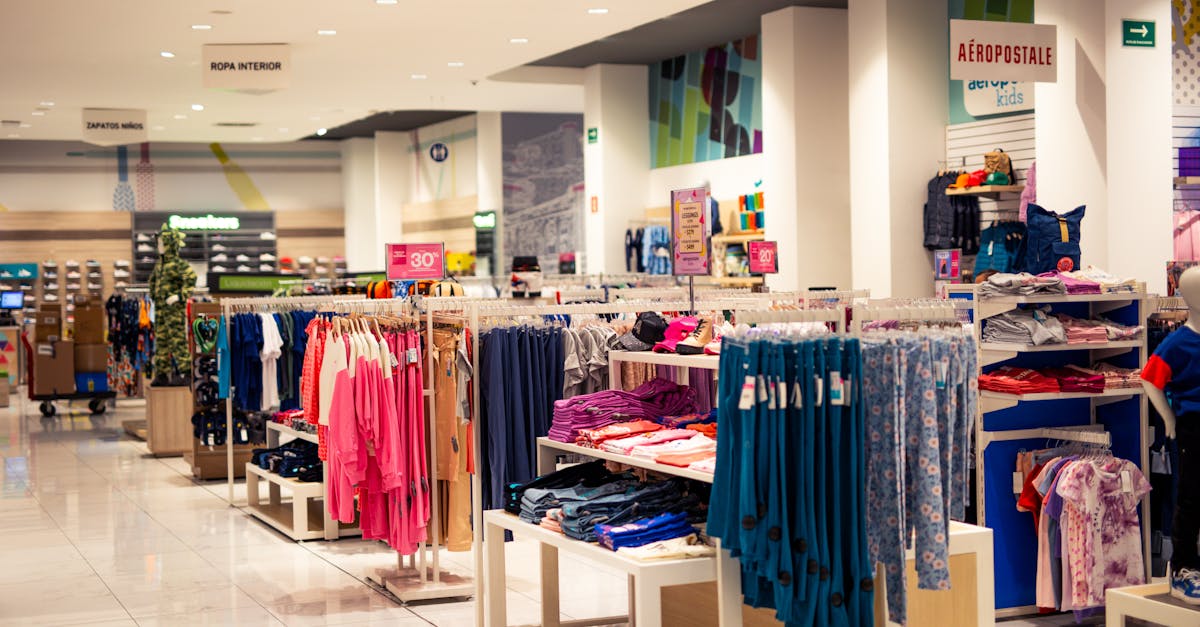
Retail sales, a keen indicator of consumer confidence, reflect these changes. In February, retail sales edged up only 0.3%, a much lower figure compared to January’s 3.0% increase. This slowdown suggests that consumers are becoming more hesitant to splurge on non-essential items, indicative of an economy under pressure.
Shifts in Spending Categories
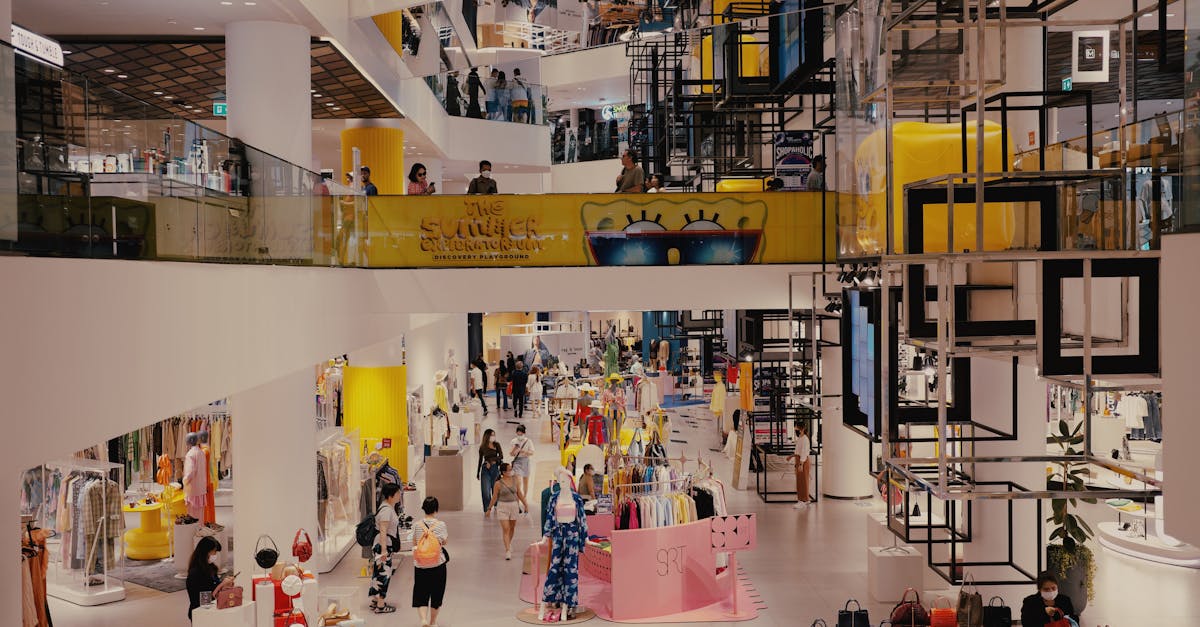
An analysis of spending patterns across various sectors unveils some surprising shifts. Consumers are redirecting their funds towards essentials such as groceries and healthcare while cutting back on travel and entertainment. The hospitality sector, which rallied vigorously post-pandemic, is showing signs of a slowdown as consumers reconsider their expenditures in light of rising prices.
In fact, the leisure and hospitality index indicated a stagnation in growth, a clear signal that consumers are prioritizing experiences less when faced with tightening budgets. Retail analysts note that as household balances are strained, businesses might need to recalibrate offerings to fit a more cautious market, catering to the evolving needs of budget-conscious consumers.
The Path Ahead for Houses and Businesses
For consumers, this environment emphasizes the necessity of flexibility in financial planning. Savings rates, which stood at a revised 3.6% in March, indicate that households are preparing for further uncertainties by retaining more cash, a prudent move as they anticipate continued pressure from inflation.
Businesses, too, are tasked with reassessing strategies to stay competitive within this landscape. The Federal Reserve’s interest rates, currently hovering around 5.25%, exert significant influence over borrowing costs that in turn impact consumer confidence and spending behavior. Companies grappling with higher costs of capital might rethink expansion plans, leading to altered employment opportunities and market dynamics.
Future Consumer Dynamics
The intricate interplay between consumer spending, inflation, and changing preferences suggests a landscape that will continually evolve. As households adjust their strategies and businesses adapt their offerings, the economy as a whole will reveal the complexities of consumer sentiment and its consequences on growth trajectories. The next months will indeed test the resilience of American households in navigating these waters.