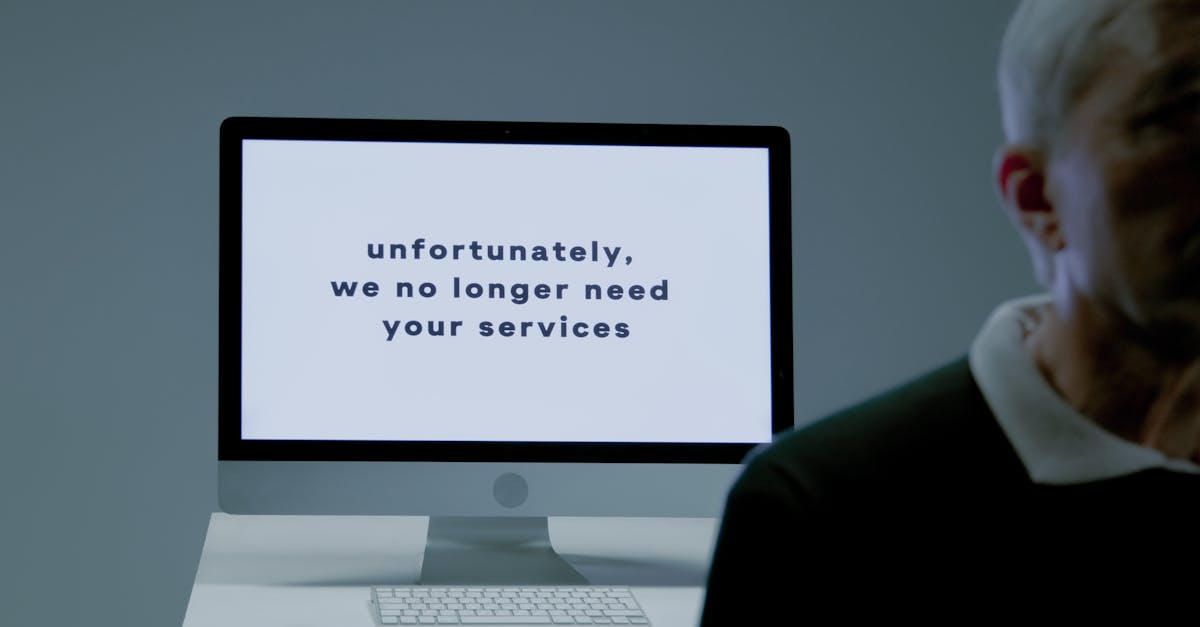
A Mark of Stability
As of March 1, 2026, the unemployment rate in the United States stands at 4.3%, maintaining a semblance of stability amid global economic upheaval. This figure, while only a slight uptick from 4.1% a year earlier, underscores a labor market that is grappling with both challenges and opportunities. For context, this level is lower than the average unemployment rate across advanced economies, which sat at approximately 5.5% during the same period, as reported by the Organisation for Economic Co-operation and Development (OECD).
Historical Insight
Comparatively, the U.S. jobless rate has fluctuated over the past few decades, peaking at 14.8% in April 2020 during the height of the pandemic. A focus on the current rate reveals a recovery trajectory characterized by a steadily improving economy, bolstered by stimulus measures and a rebound in consumer spending. In fact, the percentage representing those unemployed with a College degree is at a low of 2.1% — a stark contrast to 9.5% for those without a high school diploma. This sharp divide highlights the skills gap in the labor market and raises questions about worker retraining and education initiatives.
The Broader Picture
The U.S. labor market is a mosaic, shaped by disparate experiences across sectors. The leisure and hospitality industry continues to be a notable laggard, where recovery remains sluggish, compared to technology and healthcare sectors that exhibit robust hiring trends. As of February 2026, leisure and hospitality accounted for approximately a quarter of the total unemployed, indicating a stubborn recovery path yet to return fully to pre-pandemic levels.
Economic Ripple Effects
With inflationary pressures still present, the Federal Reserve’s policies are crucial for maintaining equilibrium in job markets. The dual mandate of maximizing employment while stabilizing prices demands astute navigation. Current inflation stands at 3.2%, prompting the Fed to consider interest rate adjustments as part of their strategy to cool price increases without stifling job growth. The fine balance is evident; a sudden spike in rates without corresponding job market strength could exacerbate unemployment or push it beyond 5%.
Forward-Forward Gaze
Amid rising geopolitical tensions and potential recessionary signals, the road to full recovery may still be arduous. With job openings still outpacing the unemployed by around 1.8 jobs for every job seeker, the labor market has resilience. Innovations in remote work are reshaping the employment landscape, suggesting adaptability may be the hallmark of future growth. What lies ahead remains anchored in the complex interplay of consumer confidence, global trade dynamics, and systemic efforts to bridge the skills gap.
Such factors will determine whether the 4.3% unemployment will evolve into a period of sustained stability or morph into new challenges that test the resolve of policymakers and the labor force alike.