Imagine the Johnson family sitting around their kitchen table on a Sunday afternoon, poring over their monthly budget. Like many American families, they’re worried about rising costs but also hopeful for the new hand-crafted wooden furniture their cousin from a small shop in Vietnam is shipping over. They don’t yet know it, but their desire for that sturdy, artisanal dining room table connects them intimately to the complex ballet of international trade—a dance that echoes across economies and policymakers.
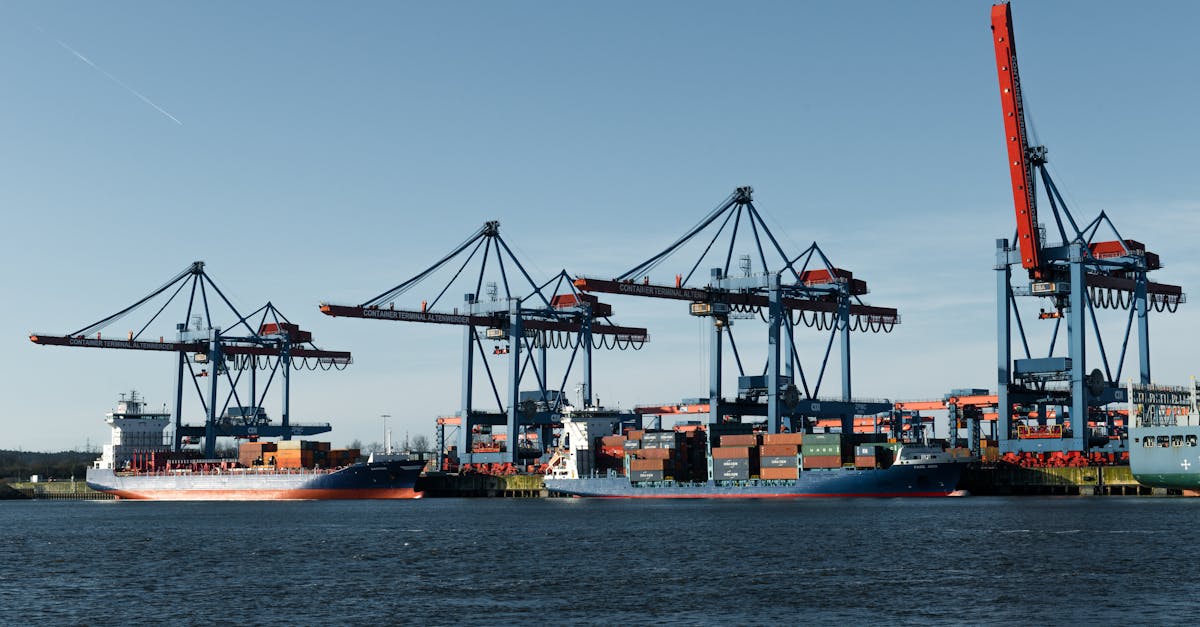
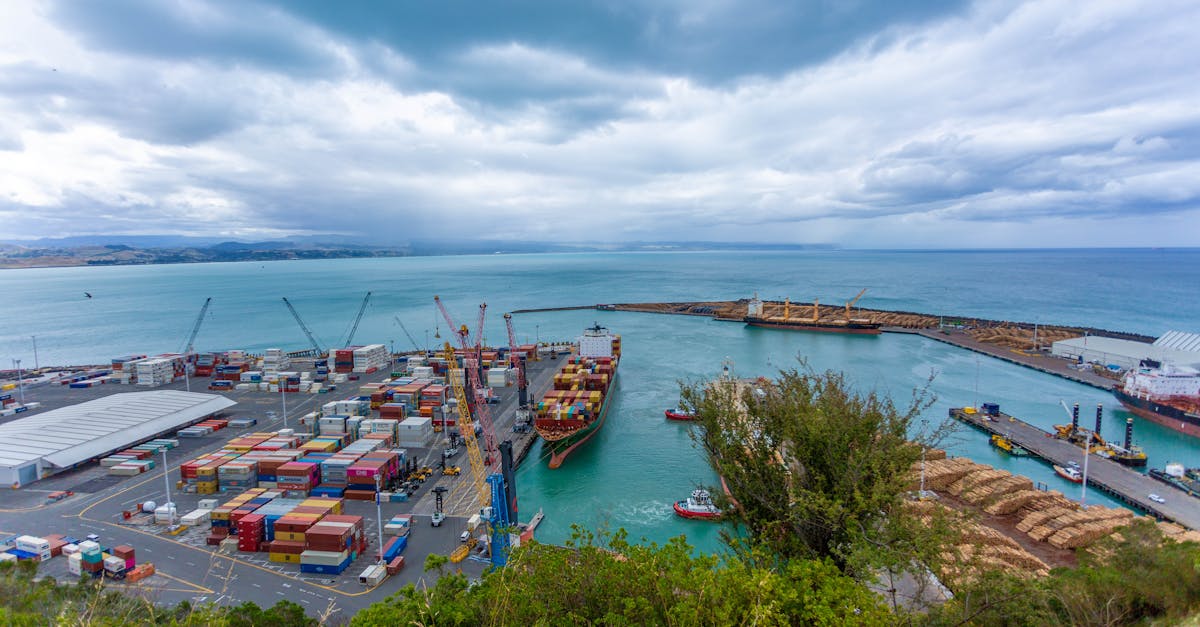
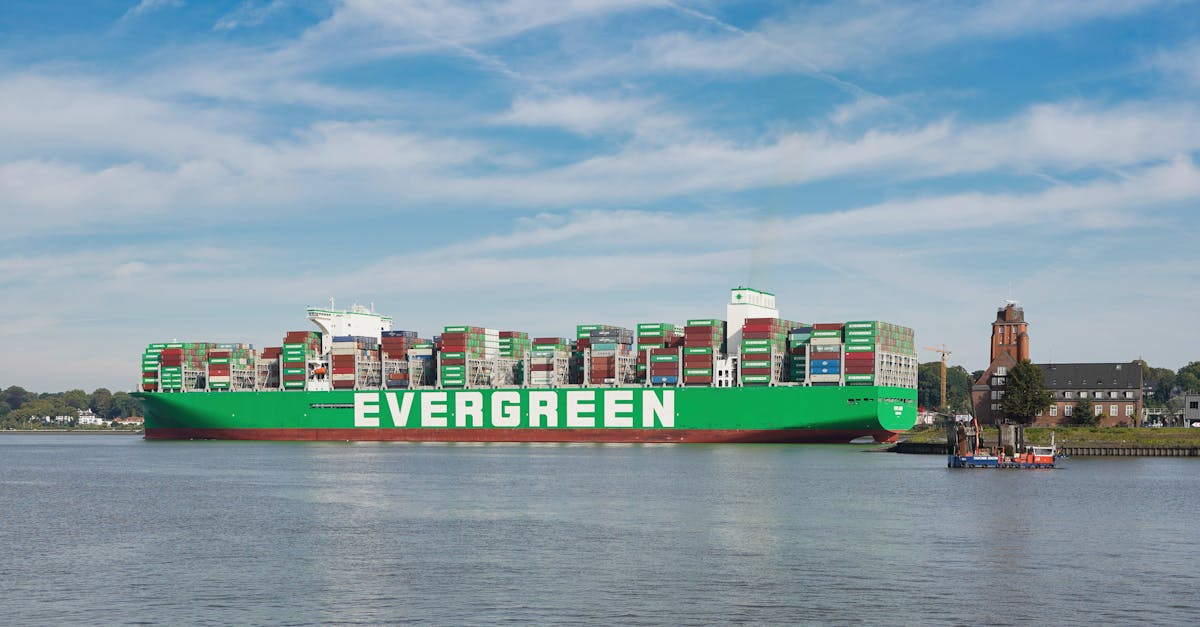
As they discuss the upcoming purchase, they might not realize that recently, the U.S. trade balance reflected similar scenarios for countless families. The most recent figures from the Bureau of Economic Analysis reveal that the trade balance stood at a deficit of $70.6 billion, with imports outweighing exports significantly. This gap underscores a reality that many consumers, like the Johnsons, experience directly: an abundance of products pouring into the country, often at lower prices due to international competition.
To put the $70.6 billion figure into perspective, imagine the entire metro area of a bustling city collectively spending on everything from electronics to clothing, more than what local businesses bring in from overseas sales. The Johnsons, while contemplating their new purchase, may not be aware that their inclination toward imported goods contributes to this trade deficit.
The connection deepens when one considers the broader implications for American exporters. As their order for the table is finalized, the family indirectly influences their cousin’s small business. According to the latest data from the Federal Reserve, exports have grown but not rapidly enough to close the trade gap. The total value of goods and services exported from the U.S. in the previous month was about $253 billion, providing income and opportunities for producers across different sectors. Every dollar made on the export side is crucial, yet American manufacturers often rue the competitive pressures from cheaper imports.
The narrative is particularly vivid in agriculture, where American corn and soybeans travel across oceans to feed growing populations in places like China and Brazil. Yet, with agricultural exports comprising roughly $17 billion of that total last month, the Johnsons might not see the correlation between their shopping choices and the livelihoods of farm families in the Midwest, who depend on these markets.
On the other hand, consider what a trade imbalance means for employment. More imports can sometimes signal robust consumer demand, but this reliance is a double-edged sword. Economists warn that prolonged trade deficits can lead to job losses in industries unable to compete with foreign production. The Johnsons, nestled in their home, might not realize that their purchasing habits ripple through factories and farms, affecting positions that they may not see on the surface.
At the heart of this trade story lies a paradox: while imports fill the shelves with diversity and lower prices, they also challenge domestic economics. The furniture the Johnsons desire not only reflects an aesthetic choice but a complicated economic landscape that favors globalization. With manufacturing jobs in the U.S. seeing a decline, the family’s quest for a sturdy dining table illustrates the nuanced relationship between consumer behavior and the broader trade dynamics.
As the weeks pass and their new table arrives, the Johnsons sit around it, cherishing family dinners that reflect both comfort and economic realities. Their lovely new centerpiece is not just about aesthetics; it embodies a global interconnectedness that brings both challenges and opportunities.
In this light, the trade balance and export-import scenarios transform from abstract numbers in government reports into meaningful components of daily life, reminding families that their choices have the power to shape businesses, influence markets, and ultimately affect the community around them.