A Day in the Life of a Small Business Owner
Imagine Maria, a small business owner in Portland, Oregon, who runs a bakery specializing in artisan breads and pastries. Every day, she rises before dawn to bake loaves that will not only fill the stomachs of her community but also contribute to the broader economy. Recently, Maria faced a dilemma; shipments of her products to Canada have slowed down due to shifts in the trade balance between the United States and its neighbors. Indeed, the fluctuations in exports can have immediate and tangible effects on small business owners like her.
The Export Landscape
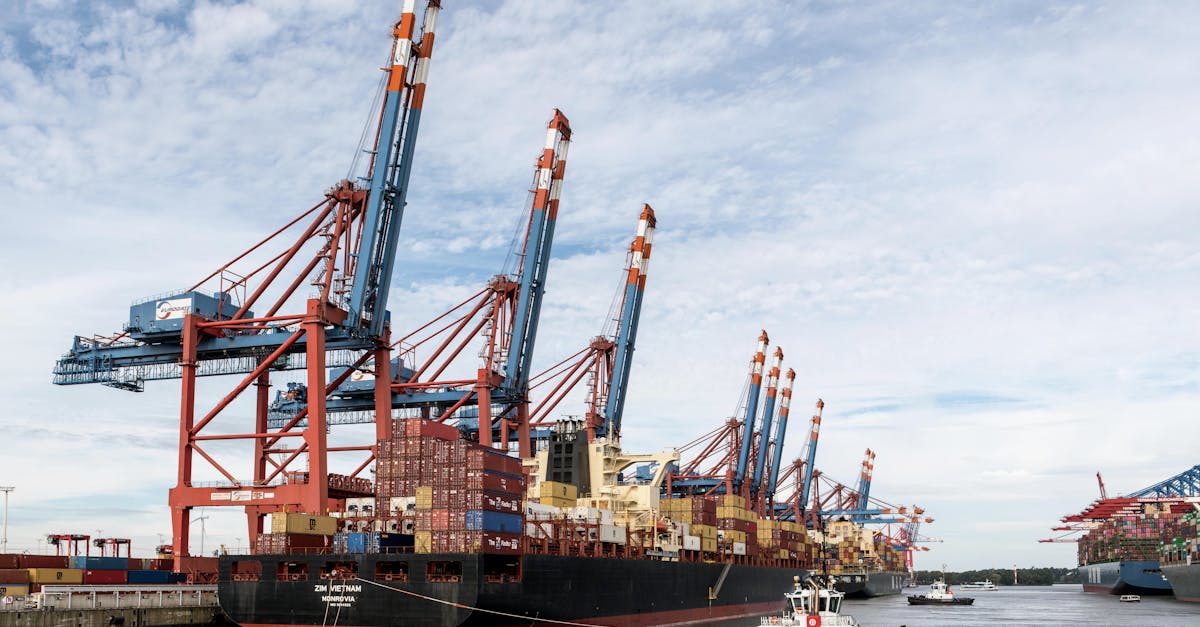
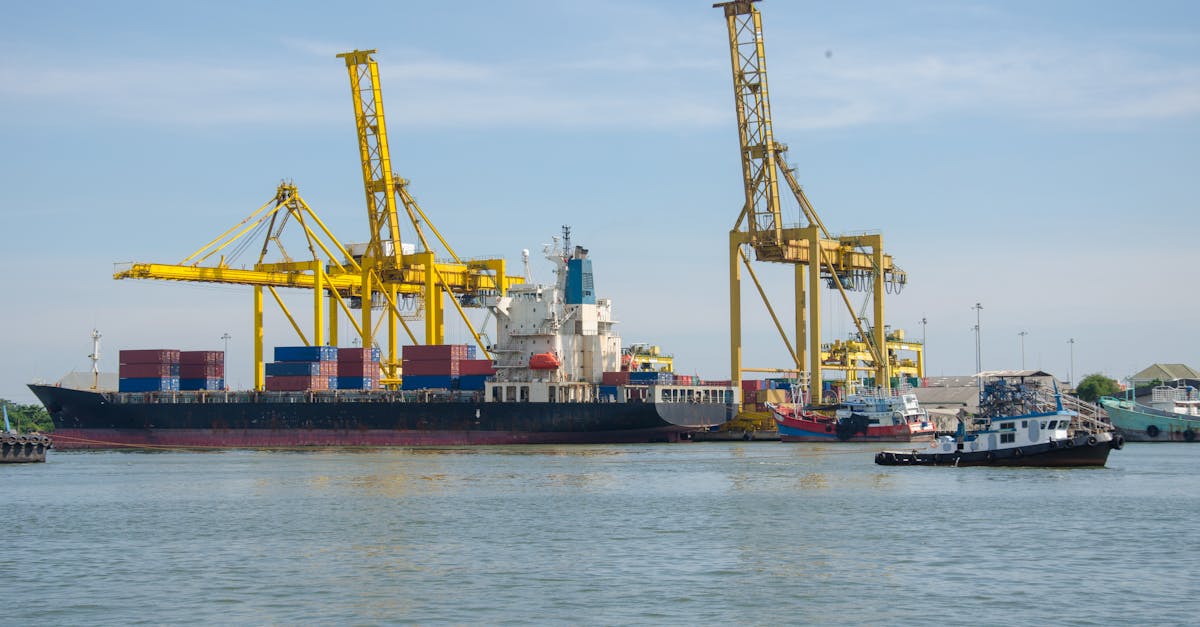
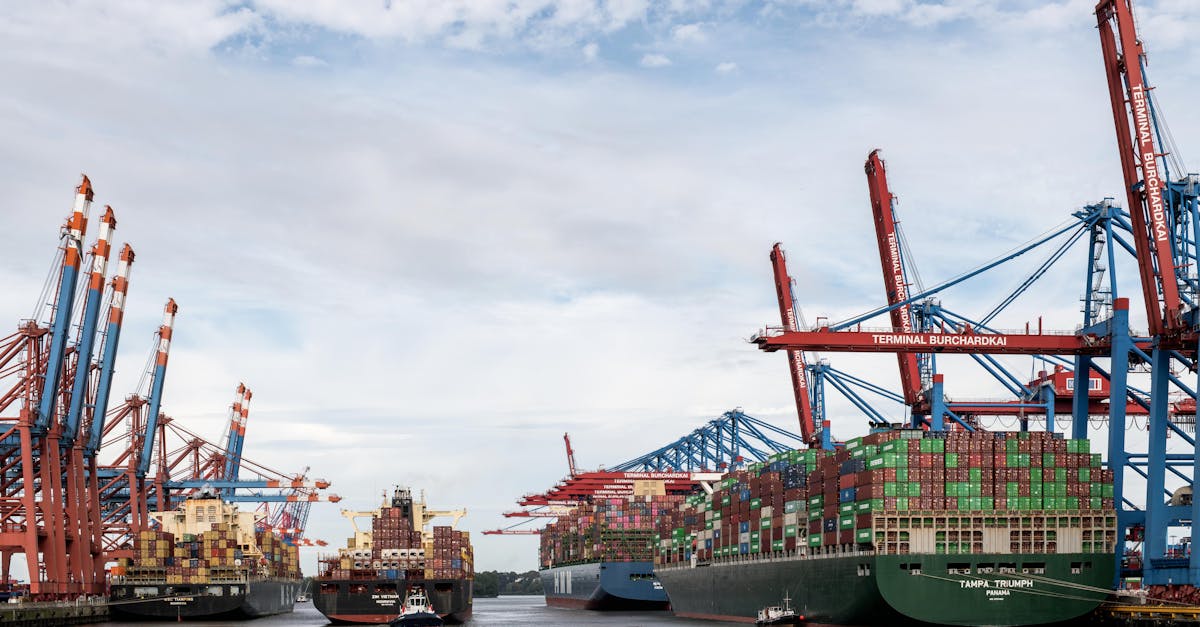
As of the latest data from the Bureau of Economic Analysis (BEA), U.S. goods exports reached approximately $178 billion in July, marking a modest increase from June. Yet, while exports to Canada still represented a robust partnership—accounting for nearly 18% of all U.S. exports—Maria felt the pinch. Her bakery supplied specialty items to over 20 Canadian cafes and restaurants, and with the trade balance inching toward a deficit, orders started trickling in.
Think of the U.S. trade balance as a teeter-totter; when exports climb higher, imports can create a negative tilt if not monitored closely. For July, the trade deficit was reported at $69 billion, significantly affecting small businesses that rely on healthy trade partnerships. Maria’s fast-growing orders were essential for her business, but as her costs rose due to tariffs on imported baking supplies, profits began to evaporate—much like the morning dew.
Navigating Challenges
Maria’s situation also reflects a broader pattern in the U.S. export segment, where agricultural products led the way—selling nearly $8.3 billion worth to international markets in the same month. But for small manufacturers like Maria, complications abound, as rising prices of inputs due to inflation began to nibble at her margins. The Federal Reserve’s data show that inflation rates are hovering around 3.7%, affecting consumer spending power and subsequently, her sales. It’s a ripple effect; when people spend less because prices are rising, businesses like Maria’s can feel a significant downturn.
In a world where her bakery’s bread is now competing not only with local establishments but also international ones, maintaining export relationships is crucial. The journey of her baguettes across borders can be seen as a microcosm of the larger U.S. trade dynamic. If Maria’s bakery can thrive at home while managing exports, it eases the strain of the national trade deficit and positively impacts her community.
Local Solutions to Global Issues
To tackle these challenges, Maria has started sourcing some of her ingredients locally, organizing a cooperative with nearby farms. This way, she reduces reliance on imports that may be subject to tariffs. Similarly, U.S. trade policy adjustments can open new doors for her bakery. If the administration pushes for favorable trade deals, it could pave the way for Maria’s breads to make their way into new markets.
Much like a skilled baker adjusts recipes based on ingredient availability, navigating the trade environment requires a blend of creativity, resourcefulness, and strategic planning. For instance, a solid export strategy not only protects jobs but strengthens local economies by injecting foreign dollars into Maria’s community.
Back to the Oven
As the day winds down, Maria watches her freshly baked croissants cool on the rack. The decisions she makes regarding her supply chain and export strategies directly affect her customers and employees. With every loaf she ships to her neighbors across the border, she isn’t just delivering bread; she’s participating in a complex web of trade that binds consumers and businesses together.
Maria’s oven, fueled by the energies of both local community spirit and far-reaching trade partnerships, symbolizes the intricate balance of commerce we navigate daily. Thus, while trade balance figures may reflect aggregate values on paper, their real impact resonates in the conversations between neighbors and the aroma of baked goods wafting through her small but vibrant bakery.