A Paradox in Prices
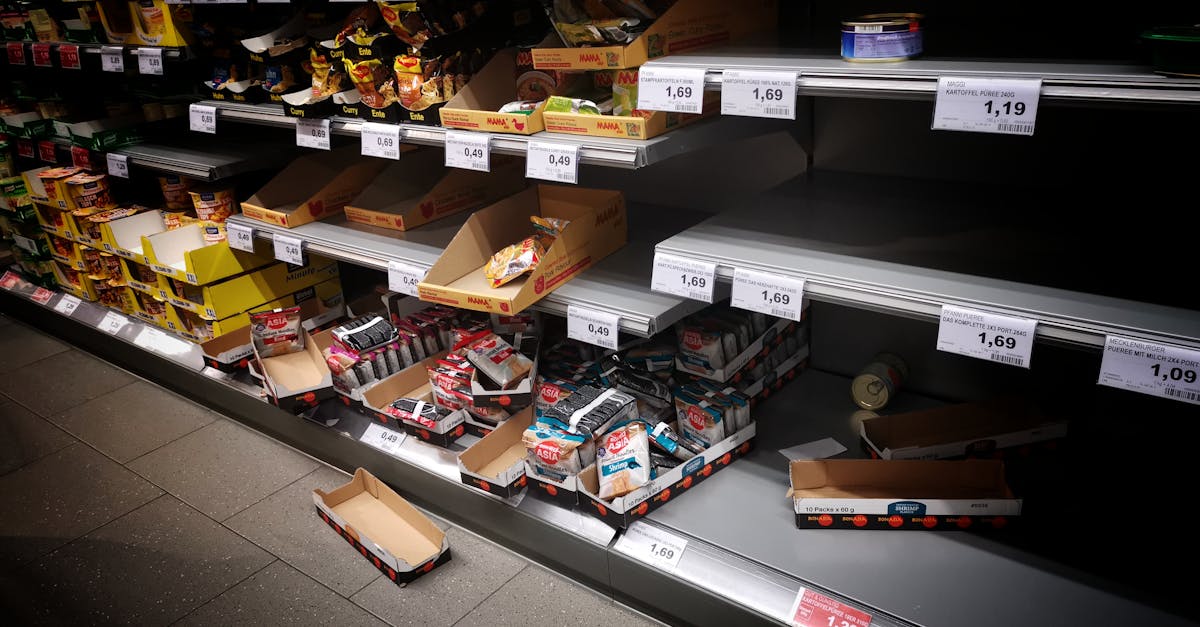
Inflation stands at 3.3%, a statistic that would typically signal wage growth and heightened consumer confidence. However, the reality is far less rosy: essential goods are becoming increasingly elusive for many households, creating a stark divide between perception and experience. The latest data reveals that, while inflation appears contained on paper, the lived reality for consumers suggests a far different narrative.
Expectations Collide with Outcomes
The consumer price index (CPI) dipped earlier this year, leading some economists to breathe a sigh of relief. Yet, when dissected further, the numbers tell a more complicated tale. Housing costs surged, with an average rent increase of 8% in urban areas against stagnant wages that do not keep pace with these demands. Notably, while discretionary purchases in sectors like electronics actually saw a price decrease due to supply chain recovery, vital areas such as grocery and energy have overshadowed these gains. The Federal Reserve’s inflation measures, focusing on core inflation without food and energy, mask the everyday struggles faced by average Americans.
Internationally, inflation in the U.S. is outpaced by several industrialized nations, as the Eurozone struggles at 5.5%. While European countries grapple with different challenges, it raises the question: is America on a different inflation trajectory, presenting a false sense of comfort?
The Unseen Stories Behind the Numbers
Beneath the surface of this inflation narrative is a hidden trend that often escapes mainstream headlines. The disparity between income growth and inflation has widened dramatically, with real earnings experiencing a stagnation period since mid-2022. Workers in service sectors, particularly those in hospitality and retail, face the brunt of this $7.25 minimum wage stagnation against rising prices that seem indifferent.
Moreover, the $300 billion in profit reports from large corporations in Q1 suggest that big business is capitalizing on weak competition, influencing pricing strategies that do not reflect the actual cost of goods. What is painted as inflation is, in part, the result of strategic market manipulation rather than the organic economic cycle adjustment. This surge in profits shines light on growing monopolies that can set prices independently of market conditions.
A Fork in the Road: What Comes Next?
What is the path forward in a landscape where inflation is at 3.3%, yet the purchasing power of the average American wallet is eroding? Will policymakers prioritize corporate profits and GDP growth, or will they turn towards the pressing issues of wage growth and real income? The Federal Reserve’s next moves could redefine these conversations. Will they continue to characterize inflation merely as a number, or will they address the structural inequalities that are currently shaping consumer experiences?
As families navigate rising costs, the collective agitation grows, but how this discontent shapes economic policy remains an open question. The contrasts between sectors, consumer sentiment versus corporate profits, and the gap between essential needs and discretionary spending create an intricate web that economists and policymakers must carefully analyze. Amidst these tumultuous conditions, is a significant economic reckoning at hand, or will the system balance itself, putting profits over people once again?