$4.8 Trillion – The Unyielding Expansion of U.S. Housing Costs
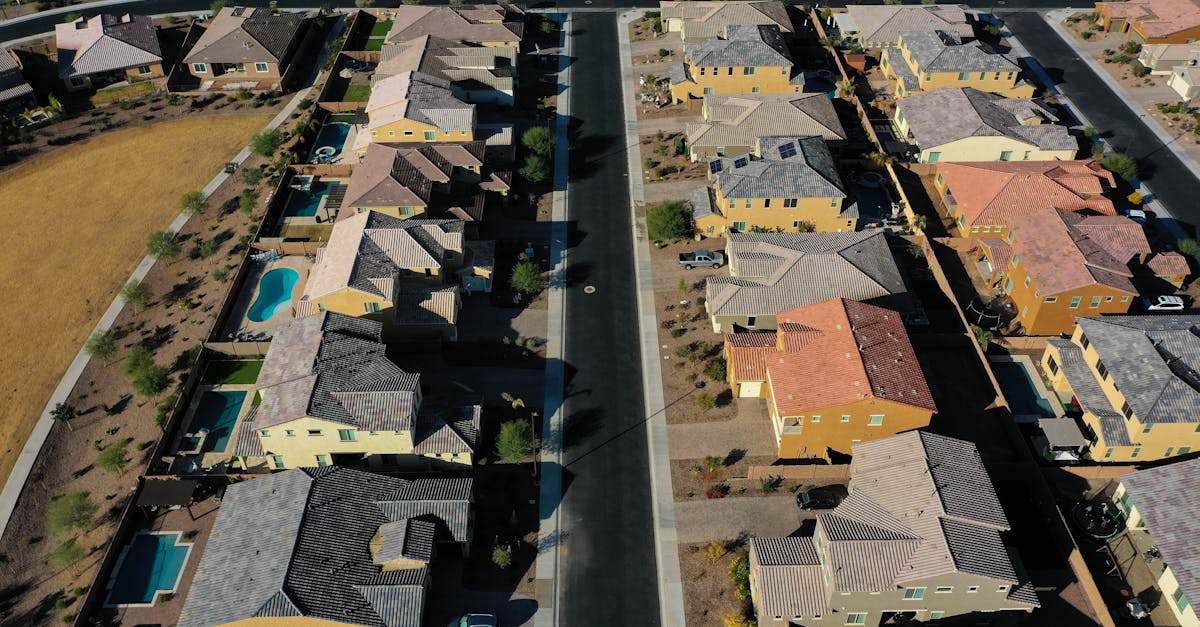
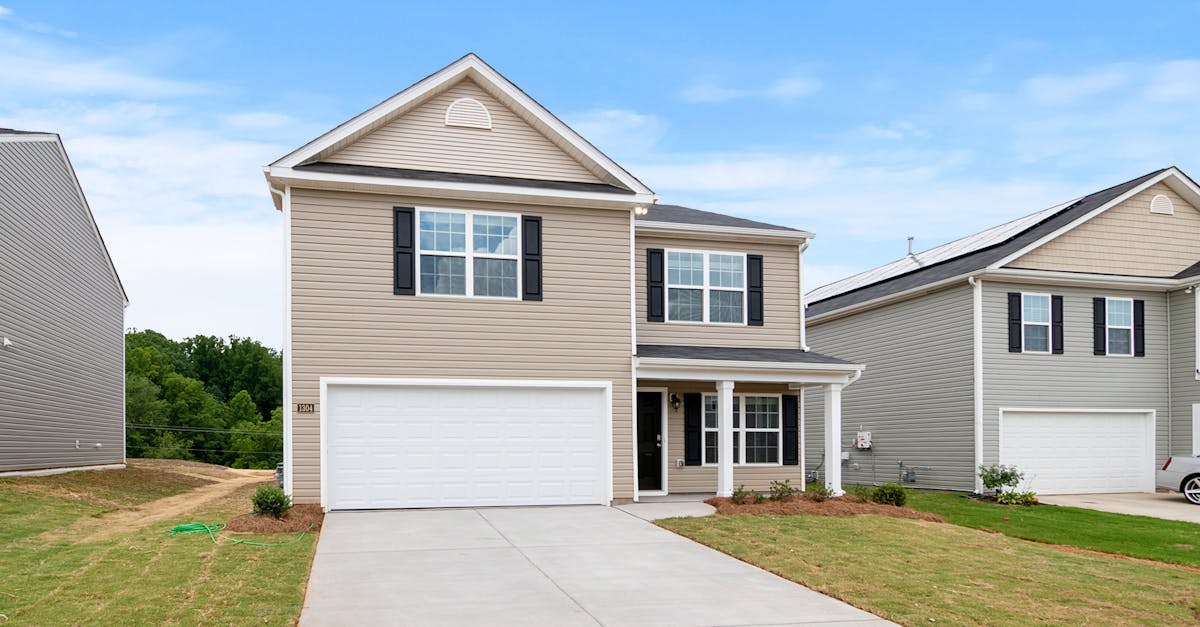
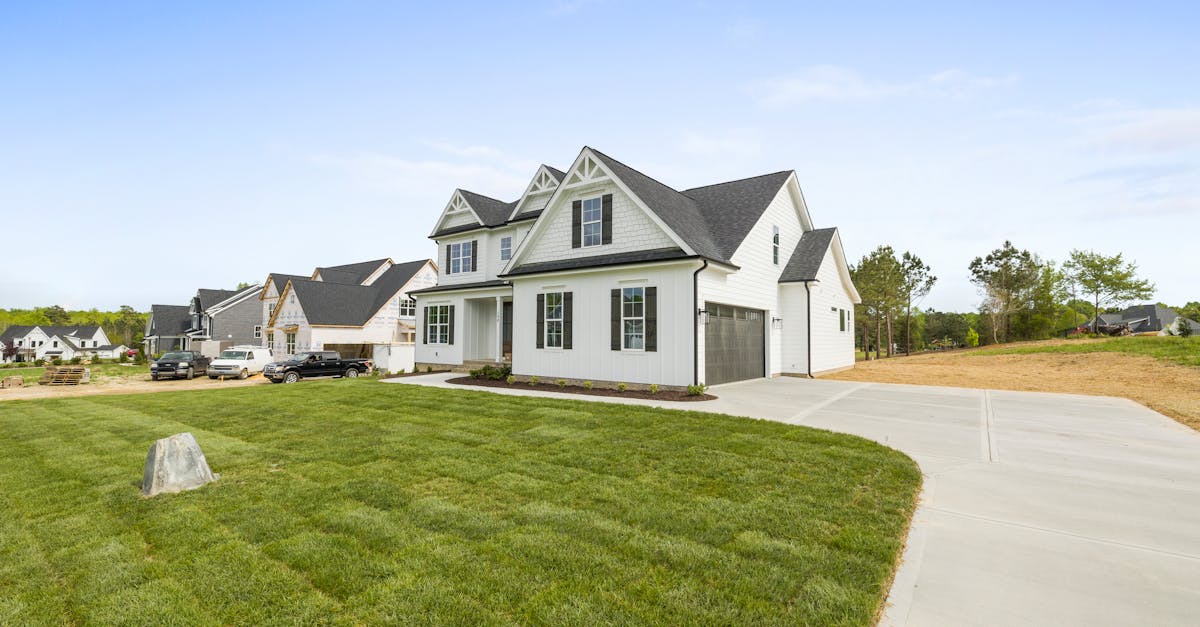
The U.S. housing market has swelled by an astonishing $4.8 trillion over the past year, driven predominantly by a combination of low inventory and persistently high demand. As of August, the average home price has leapt to approximately $450,000, a staggering increase of over 15% compared to the previous year, reflecting not just inflation but a supply chain crisis that has left many buyers grappling for options.
A Supply-Demand Imbalance
With existing home inventory at a mere 3.3 months’ supply, it’s evident that the demand far outstrips what’s available. Historically, a balanced market hovers around a six-month supply. This deficit has not only inflated home prices but has also exacerbated competition among buyers, creating bidding wars that push prices even higher. Such conditions force potential homeowners, particularly first-time buyers, to either extend their budgets or forgo the prospect of homeownership altogether.
Renter Strain Amidst Rising Prices
While homeownership may be slipping out of reach for many, renting is not emerging unscathed either. The median rent in major urban areas has surged, with cities like Miami witnessing an increase of over 25% year-on-year, pushing the average rent to over $3,000. For millions of Americans, this steep rise in both rent and purchase prices is creating a compounded affordability crisis, forcing tough decisions on housing.
The Ripple Effects on the Economy
The housing market’s steep climb is not just a personal challenge; it also has broader economic implications. The Federal Reserve’s recent interest rate hikes are beginning to influence mortgage rates, which have risen to an average of 7.3%. Elevated borrowing costs may cool down the overheated market, yet they simultaneously hinder consumer spending as potential buyers recalibrate their financial strategies.
Looking Beyond Just Prices
Beyond sheer numbers, the escalating housing market is reshaping the American landscape. As more individuals are priced out of homeownership, we see a transforming demographic of renters, many competing fiercely for fewer available units. Investors are increasingly capitalizing on this rental demand, purchasing properties with cash or financing that is less sensitive to interest rate fluctuations, thus further restricting supply for potential first-time homeowners.
The Untold Story of Disparity
Inequality in housing access is becoming more pronounced across racial and economic lines. Hispanic and Black Americans, historically underrepresented in homeownership rates, are finding themselves disproportionately affected as interest rates rise and prices soar. The wealth gap between homeowners and renters continues to widen, deepening socioeconomic divides in an already polarized society.
The Future Landscape
As we watch interest rates and housing policies evolve amid economic uncertainty, every American homebuyer and renter will feel the repercussions, particularly as the landscape continues to shift. The current trajectory suggests that while some relief may come from the Fed’s intervention, the market might take considerable time to stabilize, impacting countless lives in the process.