The Currency Tango: How Exchange Rates Shape Lives
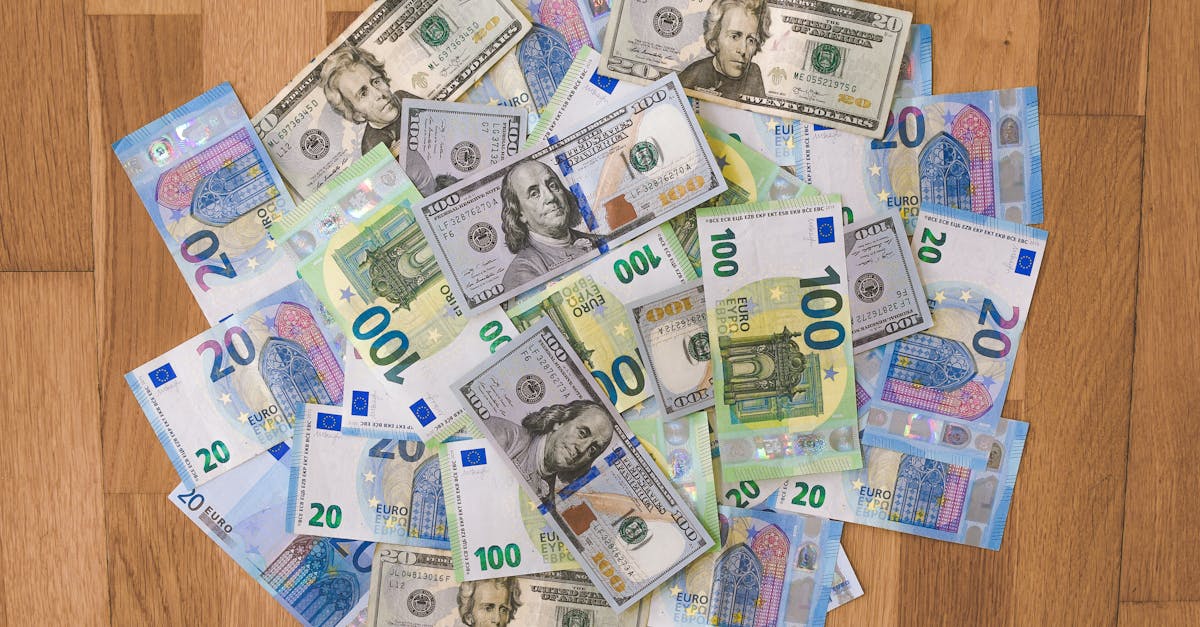
With summer vacations looming large, the Perez family finds themselves poring over travel websites, their sights set on exploring the streets of Barcelona. They dream of sipping sangria at outdoor cafes and wandering through Gaudí’s vibrant architecture. But as they input the numbers, each click sends a shudder through their budget when they realize their dollars are trading for less against the euro. A recent glance at the exchange rate corridor reveals that a euro currently commands around $1.10. It’s not just a mere number; for the Pereza, it translates to about 10% more they need to set aside than just last year—roughly equivalent to the cost of a family dinner at their favorite Mexican restaurant.
The Hidden Costs of Currency Fluctuations
When the dollar slips against the euro, vacation plans become a math problem steeped in the complexities of exchange rates. Each dollar spent abroad brings along inflation concerns. The Bureau of Labor Statistics reported a nationwide inflation rate of 3.3%, hinting at rising prices not only at home but also when converting currency to spend overseas. The inflation rate, climbing steadily, puts additional pressure on the Perez family to reevaluate their budget as they anticipate higher prices for foreign souvenirs, dining, and transportation.
For a family like the Perez’s, even routine travel expenses intertwine intricately with broader economic threads. Their predicament is indicative of a larger phenomenon; each family outing can be statistically grounded. With the current inflation rate averaging 3.3%, consumers may notice that prices have been climbing not just for AVA (American vacations at home), but also for EUR (Euro-based escapades). The interplay of these rates can determine whether a dream vacation becomes a reality or a casualty of budget constraints.
The Impact on Local Businesses
While family vacations usually make for great dinner conversations, the effects of currency shifts extend beyond individual households into the world of American commerce. Consider local coffee importers who rely on coffee beans purchased in Brazilian reals. As the dollar weakens against the real, it costs them more to import beans. When those costs ramp up, businesses may pass those expenses onto consumers. As a result, a single cup of joe could soon tick above the $5 mark at local cafes. This scenario resonates deeply with a barista who, like many American workers, had anticipated wage growth amid unemployment remaining at 4.3%. Higher drink prices combine with stagnant wage growth, creating a cocktail of frustration for both workers and consumers.
Here, employees aren’t only worrying about their buying power but also the broader ramifications of foreign exchange rates on their industries. When folks consider getting a second job, the burden of inflation and volatile exchange rates swirls into a mix of stress and concern.
A Global Tapestry Threaded with Local Lives
For those invested in our global economy, it is fascinating to find how a simple vacation can expose the intricate connections between currency values, inflation, and employment rates. The Federal Reserve continues to adjust interest rates—currently sitting at around 3.64%—in a bid to stabilize the economy and, by extension, reassure families like the Pereza. Such moves influence how businesses calculate costs and pricing.
With children’s backpacks full of summer reading and sunscreen, the Perez family reconsiders their itinerary. Should they stay local, perhaps visit an amusement park? Or is it worth it to brave the shifting dollar? Vacation bliss now tempered with economic realities illustrates just how every exchange rate tick impacts the very fabric of everyday life, from families dreaming of distant shores to baristas serving their local communities. Each dollar and euro exchanged tests the family’s flexibility and budgeting prowess, culminating in a destination that balances their dream with their pocketbook’s demands.
When they finally decide, they opt for a road trip, realizing that every journey doesn’t need to span an ocean. Indeed, their summer adventure becomes a testament to the resilience of the everyday American influenced by the global economic stage.