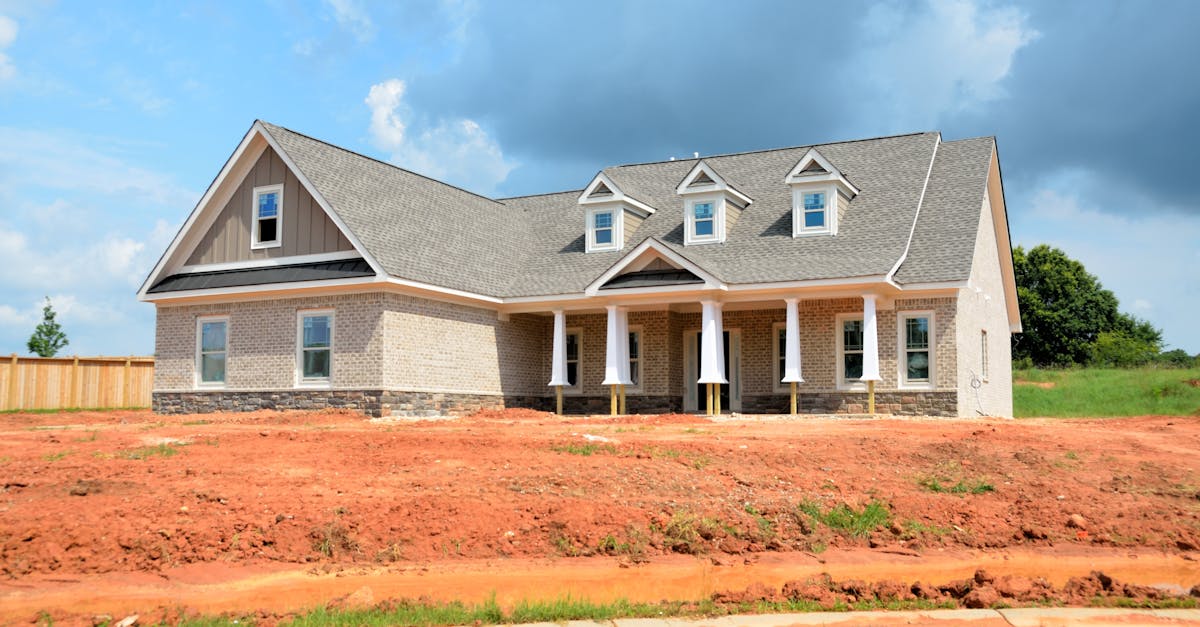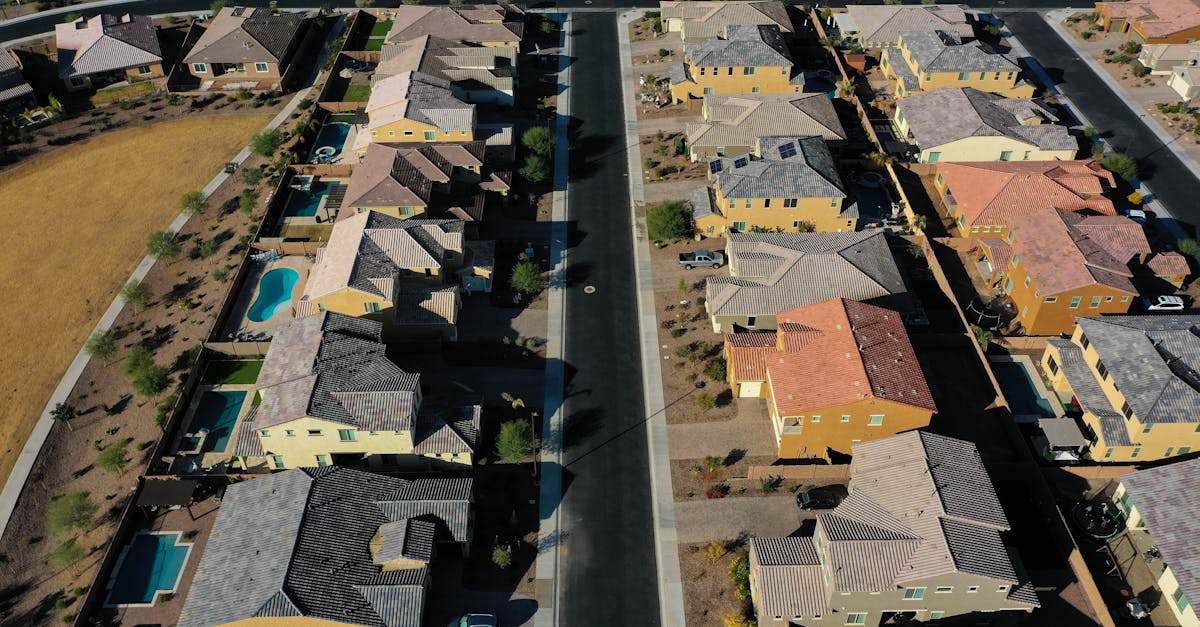
The median home price in the United States soared to a staggering $416,000 in July 2023, a 10.7% increase year-over-year. This dramatic rise underscores a complex web of factors including persistent demand, high construction costs, and evolving interest rate dynamics.
At a broader level, the housing market’s resilience can be measured against a backdrop of rising inflation, which was reported at 3.7% in August 2023, as per the Bureau of Labor Statistics. Even with the ongoing pressures from the Federal Reserve’s tightening monetary policy, the robust job market keeps pushing buyers towards homes, inflating prices further despite higher mortgage costs.
Drilling down into specific regions, the West Coast has felt the sting of this market fervor more acutely, with places like San Francisco reporting median home prices at an eye-watering $1.55 million. Conversely, some Midwest markets have remained surprisingly stable, with cities like Detroit seeing median home prices around $89,000, illustrating a stark contrast even within the same economic entity.
The impact of interest rates has been particularly pronounced. As of September 2023, the average 30-year fixed mortgage rate ticked up to 7.3% according to Freddie Mac, a level not seen in over two decades. The accompanying increase in monthly mortgage payments serves as a formidable barrier for many potential buyers who may now find ownership more elusive.
The rental market faces its own trials as increased demand spills over from the buying frenzy, pushing rental prices to average $2,080 nationwide as reported by the Apartment List in September 2023. This rental surge reflects both a scarcity of available units and the shifting preferences among the younger generations who are delaying homeownership due to affordability challenges.
Those currently seeking homes face a dual challenge: navigating high prices while contending with skyrocketing borrowing costs. For many, it means either stretching their budgets further or reconsidering their housing plans in light of such economic realities.
The Fed’s persistent rate hikes may mean further tightening in the housing market, leading analysts to predict a possible dampening in buyer enthusiasm as the maximum price point is tested. With affordability continuing to wane, a critical adjustment may unfold as both homebuyers and renters grapple with newfound economic constraints.
As market conditions evolve, multiple stakeholders must adapt, from first-time homebuyers to seasoned investors eyeing more cost-effective cities. With potential waves of adjustment looming, many wonder how long this hot housing market can sustain its fevered pace before showing signs of a corrective cooling.