An Eye-Popping Surge
Home prices skyrocketed nearly 42% during the pandemic, leaving many potential buyers reeling. This stark figure captures the extreme pressures in the housing market, where the median sales price for a single-family home in August 2023 reached $413,000, according to the National Association of Realtors.
The Real Cost of Living
For many Americans, this unprecedented price tag represents a financial hurdle that often feels insurmountable. As interest rates climbed to a 22-year peak—hovering around 7.5% for a 30-year fixed mortgage—buying power diminished significantly. The monthly payment for the average borrower is now an astonishing $2,845, compared to $1,835 just a year prior.
Rising Rates, Falling Purchases
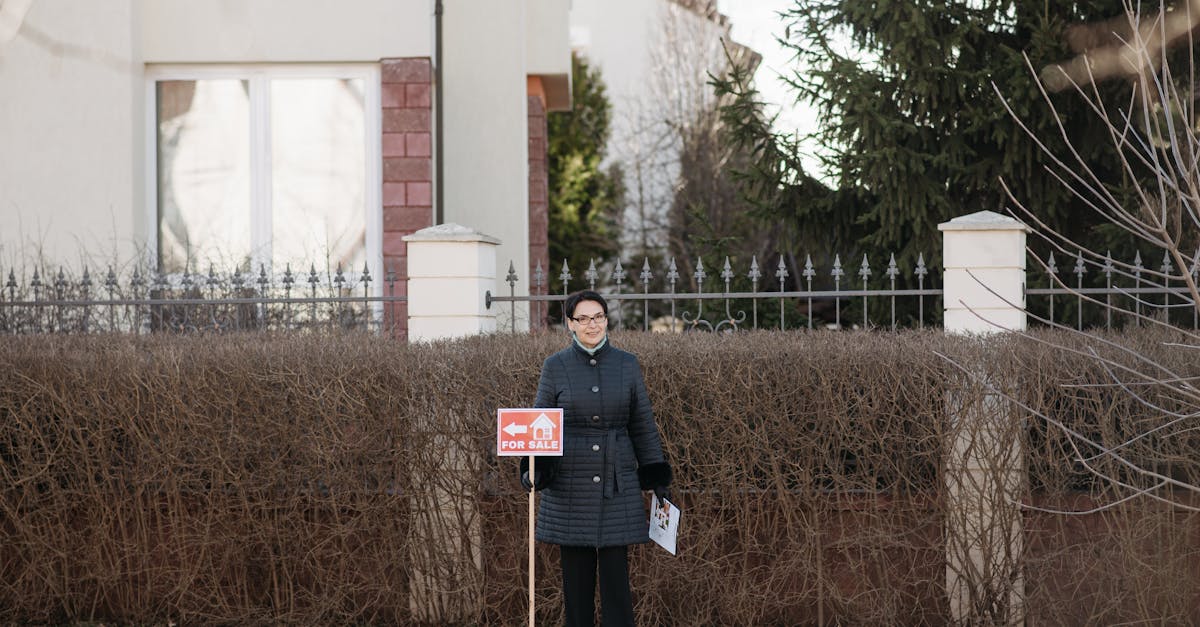
This combination of soaring prices and rising interest rates has dulled home sales, which fell 21% year-over-year in August 2023. The number of new home listings dropped to 1.02 million, down 16% from the same time last year, highlighting a rapidly cooling market. For homeowners looking to upgrade or relocate, the tough choice becomes obvious: navigating a market where selling could lead to a high price but moving means facing even higher costs elsewhere.
Rental Markets Feeling the Squeeze
The rise in home prices has not only affected prospective buyers but also has reverberated throughout the rental market. Average rents have increased by 12% over the past two years, with the national median rent reaching $1,986 as of mid-2023. As affordability wanes, more individuals and families are pushed into the rental sector, driving up demand and, consequently, prices.
Urban vs. Rural: A Tale of Two Markets
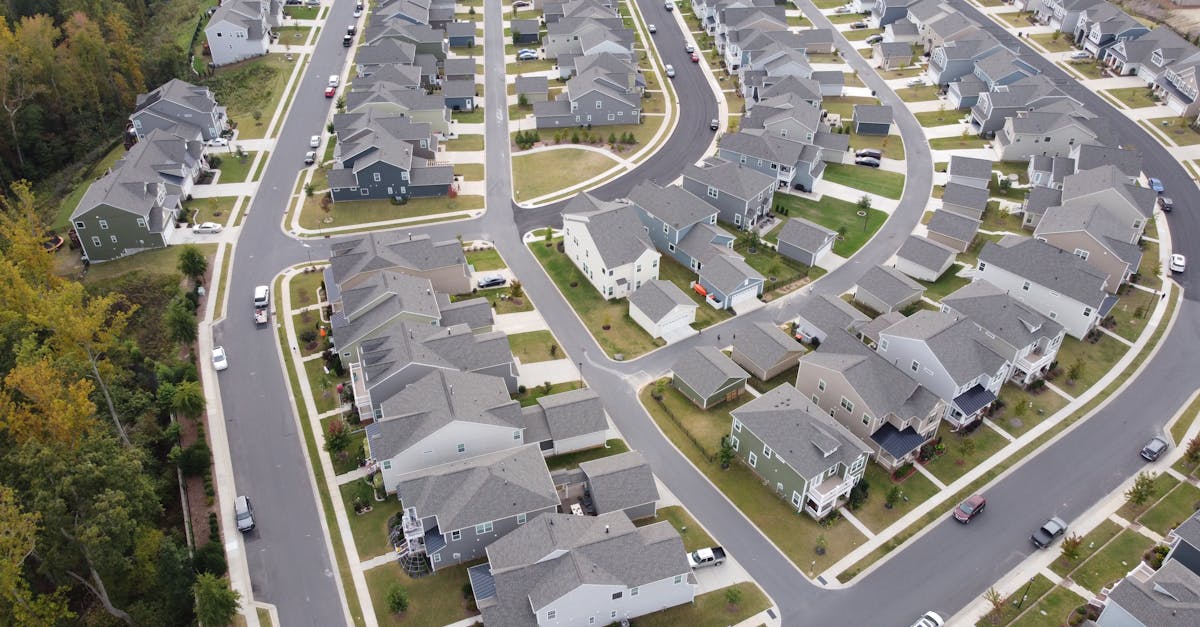
While cities are often perceived as hotbeds for real estate activity, the dynamics are shifting. Many suburban areas have seen price increases as remote work becomes a long-lasting trend, attracting buyers seeking space at more affordable rates. In August, areas like Riverside, CA, saw home prices increase by 12% year-over-year, a stark contrast to urban centers like San Francisco, where prices have plateaued.
The Federal Reserve’s Balancing Act
The Federal Reserve’s aggressive monetary policy to combat inflation includes a steady hike in interest rates. While aiming to stabilize prices across the economy, these changes are having a ballooning effect on housing. The Fed’s current stance raises concerns that it may need to recalibrate its approach, particularly as home affordability continues to spiral for average Americans.
What This Means For Buyers
For prospective homeowners, the situation feels bleak. Many are opting for fixed financing, backed by a dwindling pool of available homes. Buyers are leery, often waiting for a market dip that seems elusive, and with the current economic dynamics, many face a prolonged wait. The trade-off becomes clear: either stretch budgets to secure a home or continue renting at elevated rates.
What Lies Ahead
As we move deeper into the latter part of the year, the landscape could shift as the Fed considers its next moves. For those in the housing market, this moment may feel perilous, but trends indicate that the coming months will prompt significant decisions for both buyers and sellers, as affordability lingers as a crucial obstacle for many.