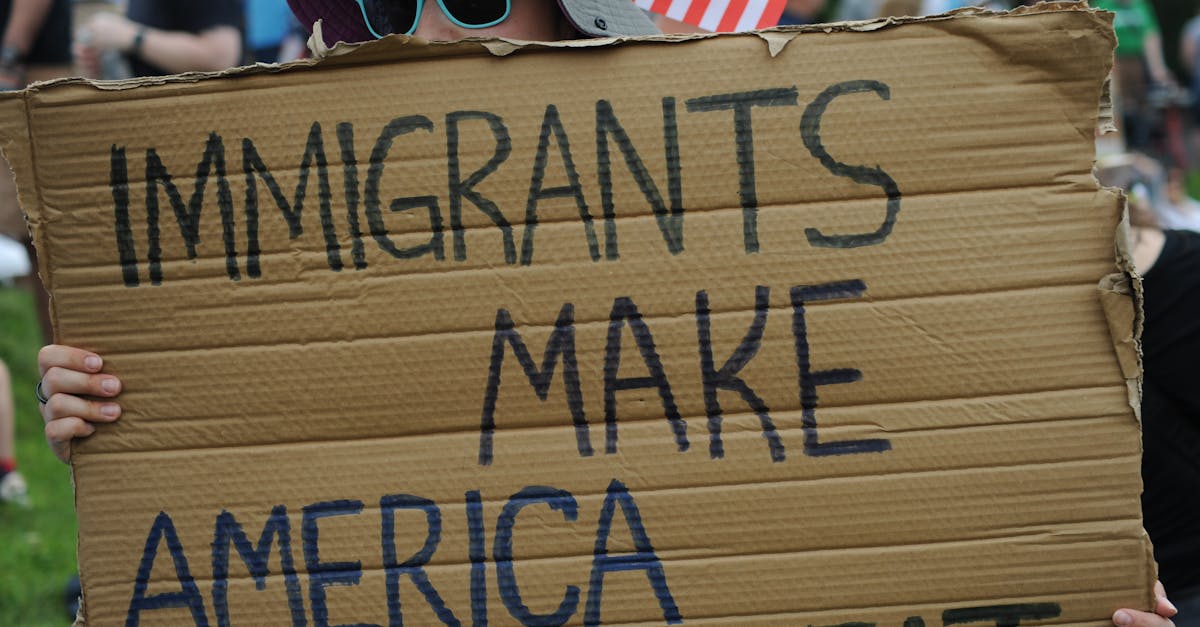
Surprising Outcomes in Immigration Economics
When discussing immigration, one might expect a uniform narrative: an influx of workers bolstering the economy with greater productivity and human capital. Yet, the reality has unfolded like a narrative with unexpected plot twists. For every job created by an immigrant, there seems to be a counterargument citing increased competition that may harm native workers.
Consider the numbers: the U.S. unemployment rate is currently at 4.3%, presenting a relatively healthy job market. However, inflation lingers at 3.3%, which raises the stakes for households already navigating a cost-of-living crisis.
Winners vs. Losers in the Job Market
The diverse economic sectors exhibit contrasting impacts from immigration. The tech industry, for instance, has been a standout beneficiary. High-skilled immigrants have driven innovation, and tech companies like Google and Microsoft have deployed their best resources onto the global talent stage. Meanwhile, traditional sectors such as agriculture and construction often rely heavily on immigrant labor, yet they also face pressure from automation and changing labor practices.
Interestingly, regions that are hubs for lower-skilled immigrant labor show different unemployment dynamics. In states like California, unemployment in a heavily immigrant-populated area remains competitive, while bordering states like Texas, with fewer immigrants in these industries, face rising unemployment as automation replaces low-wage jobs.
The Hidden Trend: Labor Market Polarization
The media frequently highlights the benefits of immigration, but what remains beneath the surface is a growing divergence in labor market outcomes. High-skill sectors witness median wage growth, driven by intense demand for expertise and innovation. Conversely, lower-skilled jobs have stagnated, creating pockets of disenchantment among the native workforce. The tension manifests in bipartisan discussions on immigration policy, often reduced to simplistic narratives devoid of this complex labor segmentation.
Regional Differences That Defy Expectations
Immigration’s impact varies not only by industry but also geographically. Coastal states like California and New York enjoy relatively robust job creation and economic growth directly tied to immigrant workers, evidenced by their active startup ecosystems. Yet, inland states with more restrictive immigration policies often report slower recovery from job losses or new crises. A case in point is the stark contrast in innovation rates between Silicon Valley and Rust Belt regions.
Global Perspectives: Learning from Others
Comparatively, nations like Canada have framed their immigration policies to balance economic needs with social integration more effectively. The Canadian model emphasizes attracting a diverse set of skills while equally focusing on community development. As the U.S. considers reforms, it may benefit from evaluating successes and failures abroad, rather than perpetuating historical approaches that often neighbor on exclusionary practices.
The Question Lingers: What’s the Decisive Fork?
With the Fed maintaining an interest rate of 3.64% to combat inflation, how will the administration navigate the tricky landscape of immigration amid fluctuating economic conditions? Will they pursue policies that favor growth through enhanced human capital or retreat to an inward-looking approach that could stifle innovation? This creates a critical juncture: how the nation addresses immigration will undoubtedly shape the economic landscape for generations.
The unresolved tension between employing immigrants and protecting native workers reveals a multifaceted issue in the U.S. economy. As authorities mull immigration reforms, the strategy they choose may well determine whether the narrative of immigration becomes a story of economic dynamism or one of division.