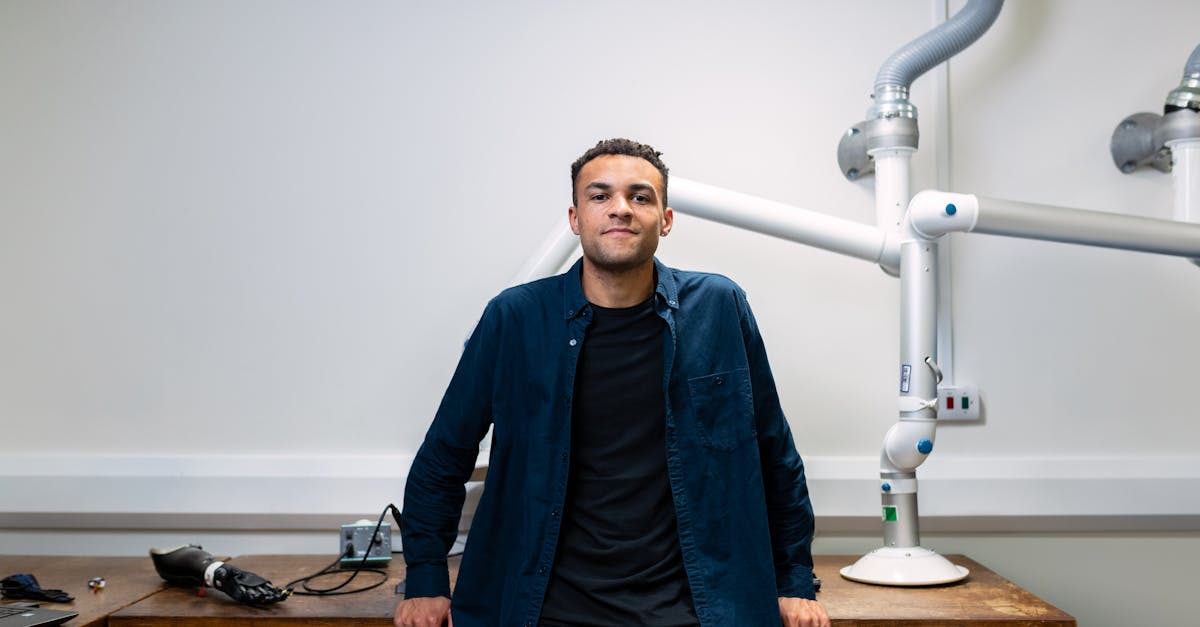
U.S. Dominance in R&D Funding
The United States remains the global leader in research and development investment, with recent figures indicating an expenditure of approximately $674 billion on R&D ventures in both the public and private sectors. This investment encompasses a staggering 3.8% of the nation’s GDP, outpacing competitors like China, which allocated around $486 billion, representing 2.5% of its GDP. Such expenditure underscores the U.S.’s commitment to fostering an innovative environment, particularly amidst challenges like inflation.
Contextualizing the Figures
Against a backdrop of 3.3% inflation and a rise in unemployment to 4.3%, the American commitment to R&D becomes even more striking. This year’s numbers reflect an uneven recovery trajectory, yet investment in innovation remains a cornerstone of economic resilience. While some sectors have faced tightening budgets and cautious spending due to rising interest rates—currently at 3.64%—the tech and pharmaceutical industries doubled down on their research activities, emphasizing recovery through innovation.
Sectors Leading the Charge
Pharmaceutical companies contributed significantly to this R&D influx, with an estimated investment of $89 billion—a 7.5% increase from last year. Meanwhile, the technology sector, historically at the forefront of innovation, invested approximately $200 billion, signaling robust growth despite macroeconomic uncertainties. Notably, this sector’s innovation is vital not only for growth but also for enhancing productivity across the economy, which could ultimately mitigate some inflationary pressures.
A Global Perspective
In examining the global R&D landscape, it’s clear that U.S. investments position the country favorably in a competitive marketplace. The European Union appears to lag, committing around 2.2% of its overall GDP to R&D, underscoring a widening gap with American and Chinese efforts. This disparity indicates that the U.S. is not just keeping pace but is leading the charge in sectors deemed critical for future economic growth.
Advancements in artificial intelligence, biotechnology, and renewable energy are vibrant examples where U.S. companies are not only innovating but also capturing substantial global market share. Emerging companies are increasingly tapping into venture capital, leading to fantastical breakthroughs that promise new solutions for current challenges.
Employment and Innovation Dynamics
With the tighter job market reflected in the 4.3% unemployment rate, R&D’s role in job creation becomes crucial. Investments in research not only breed innovations but also craft high-skilled job opportunities, attracting talent from various disciplines. As industries pivot to maintain competitiveness, workforce training and upskilling in STEM fields are essential for sustaining this growth trajectory and meeting future demands.
A Future with Endless Possibilities
As the U.S. forges ahead in its R&D endeavors, the landscape promises to transform, driven by technological advancements and shifts in economic priorities. The intersection of artificial intelligence with traditional industries hints at unparalleled efficiencies and productivity, setting the stage for a reinvigorated economic fabric. The path forward is not merely about maintaining the status quo; it’s about harnessing the whirlwind of innovation to redefine the economy altogether.