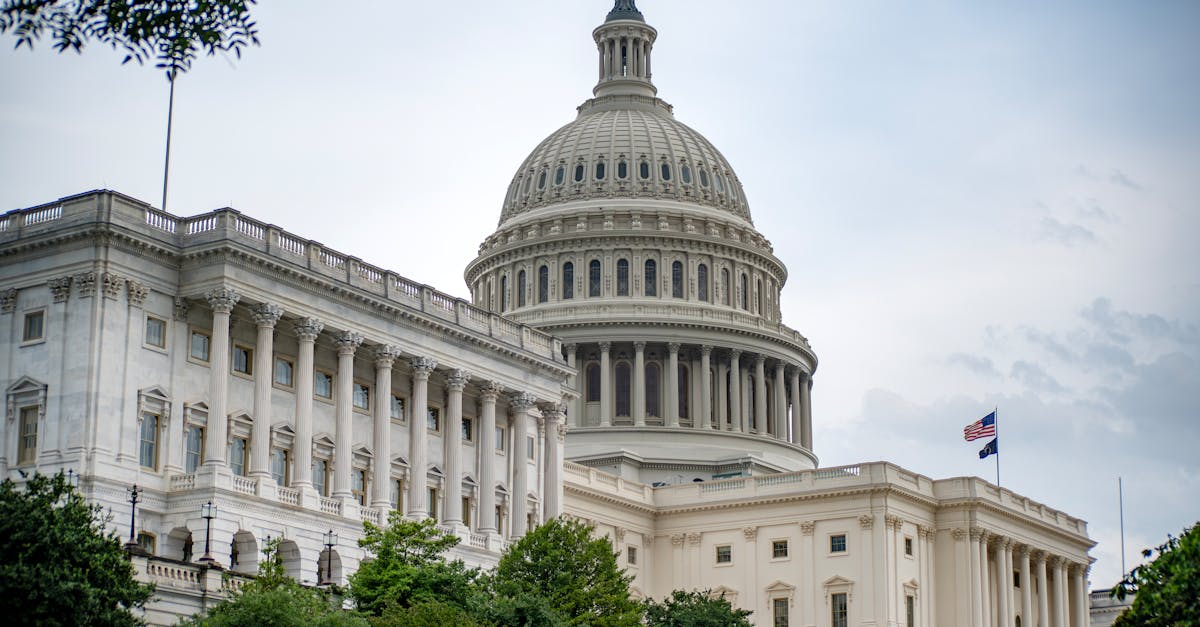
The Power of Dollars: Unpacking America’s Fiscal Policy
$31 trillion — that’s the staggering number representing the United States’ federal debt as of late 2023. This immense figure translates to approximately $93,000 for each American citizen, effectively weaving fiscal policy into the very fabric of daily life. As policymakers face mounting pressures to either reign in spending or stimulate the economy, understanding the ramifications of this debt becomes crucial for everyone from taxpayers to investors.
A Heavy Burden
With federal expenditures reaching over $6 trillion this year, the government’s ongoing spending policies significantly contribute to this astronomical debt. According to the Congressional Budget Office, nearly 60% of this spending goes toward mandatory programs like Social Security, Medicare, and interest payments on the national debt. Citizens often see these figures as aloof abstractions, but they manifest into real impacts, such as rising taxes and potential cuts to public services.
The Spending Quandary
Current fiscal policies are crafted against the backdrop of soaring inflation, which hit a 40-year high in 2022 at 9.1%, forcing the Federal Reserve to raise interest rates rapidly. The Fed has moved the benchmark interest rate to between 5.25% and 5.5% in response, a substantial shift affecting borrowers across the spectrum. For households, this translates to higher mortgage costs and a rising burden of credit card debt, which climbed to over $1 trillion nationwide.
Tax Debates Looming
As the national debt grows, policymakers grapple with finding effective ways to raise revenue without stifling economic growth. The tax-to-GDP ratio sits at a precarious 16.3%, well below the OECD average of 24%. For the average American, any proposals to increase taxes could mean less disposable income, adding strain to budgets already stretched thin by inflation.
Public Sentiment and Political Will
Within this fiscal landscape, public sentiment appears to be wary. A recent Gallup poll found that 75% of Americans are concerned about the federal budget deficit, prompting policymakers to engage in increasingly heated debates over solutions. The political divide makes consensus difficult, delaying potential action on essential reforms — decisions that directly influence the average American’s quality of life.
Navigating Uncertainty
As the public watches the interplay of fiscal policy unfold, uncertainty reigns supreme. The Bipartisan Policy Center projects that if spending continues at its current pace, the debt could exceed 200% of GDP by 2050. This trajectory could lead to social unrest as citizens demand accountability and alternative solutions while also navigating the immediate effects of inflationary pressure and rising living costs.
Implications for Everyday Life
For everyday Americans, these fiscal policies mean more than just economic theory; they affect jobs, wages, and quality of life. Rising debt could translate into reduced government services or shifting tax burdens, forcing families to adapt to a constantly evolving economic landscape. How individuals prepare for these changes could shape financial decisions for years to come.
As debates continue over fiscal policy, it will be vital to keep an eye on how these decisions materialize in the everyday lives of citizens — the stakes are simply too high to ignore.