A Startling 15.5% Increase in Home Prices
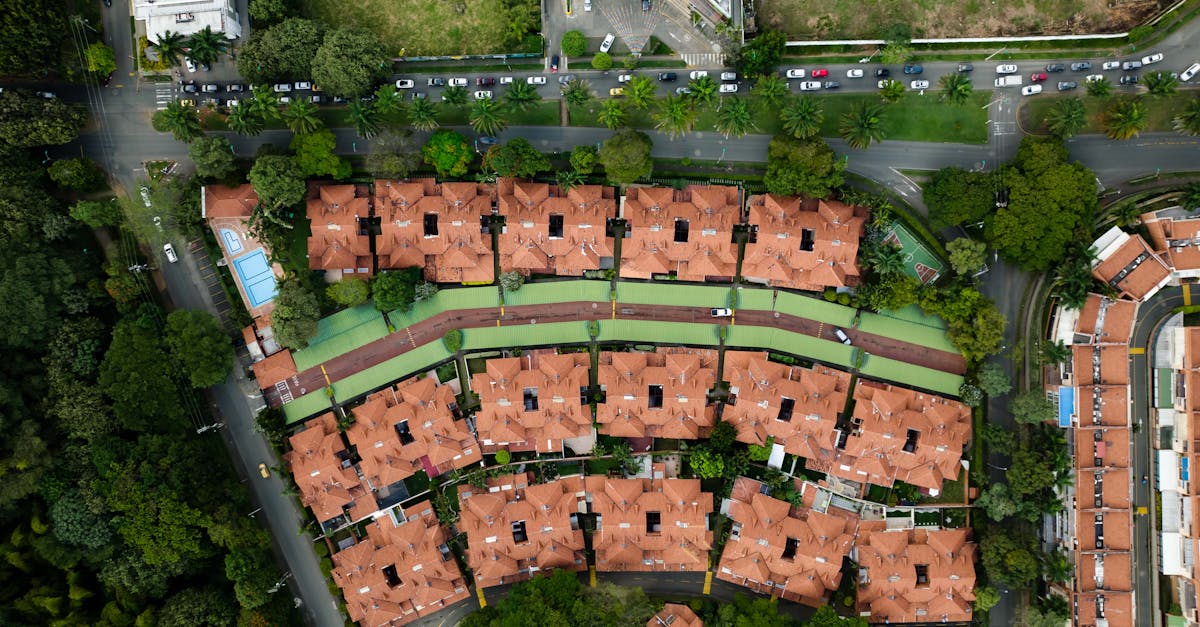
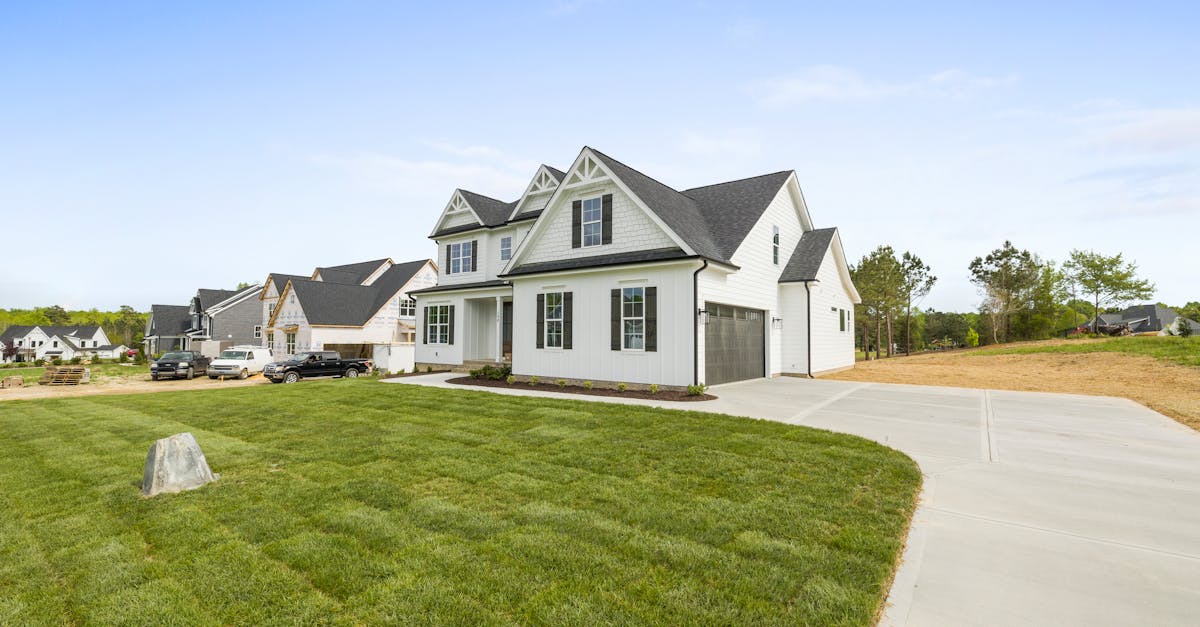
Home prices surged by a staggering 15.5% year over year, yet the Federal Reserve’s latest interest rate hikes are meant to temper the red-hot market. This extraordinary increase is more than just a blip; it indicates a persistent upward trajectory in real estate that has been ongoing in many U.S. cities. Behind this number lies a complex narrative of low inventory, limited new construction, and heightened demand fueled by a mix of factors including remote work patterns.
A Market Distorted by Inventory Shortages
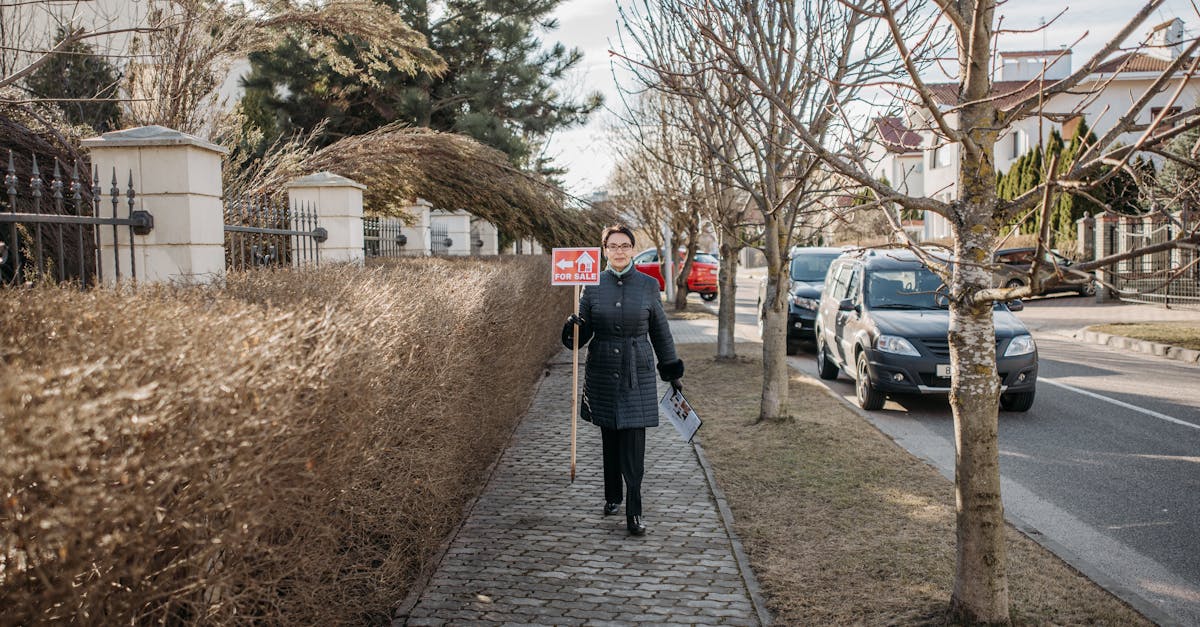
According to the National Association of Realtors, the current housing supply sits at just 2.3 months, dramatically below the balanced market threshold of six months. A scant 1.6 million single-family homes listed as of September further emphasizes this depletion in inventory. First-time buyers and growing families find themselves in a scenario where available properties are not only few but are also commandeered by buyers looking to capitalize on the favorable mortgage climate.
The Impact of Rising Rates on Buyer Power
Despite the unsettling rise in prices, the Fed’s monetary policy adjustments continue to redefine the consumer landscape. The average 30-year fixed mortgage rate climbed to 7.37%, sharply up from 3.05% at the beginning of the year. This steep increase in borrowing costs means potential homeowners are facing, on average, a nearly $300 spike in monthly payments for the median-priced home, currently averaging around $400,000.
An Uneasy Balance Between Demand and Affordability
Affordability remains a dire concern. With median household income hovering around $70,000, the typical home consumes approximately 34% of monthly wages for buyers—well above the commonly advised 28% threshold. As a result, many young professionals and families are sidelined, forced to adapt to rising rents and tougher competition in the rental market—data from the BLS indicates rents increased by 6.2% this past year alone.
Regional Variances and Hotspots
While the national averages present a grim picture, local market conditions vary wildly. For instance, Boise, Idaho, experienced a staggering 28.2% price increase yet saw a 51% dip in inventory compared to a year prior, signaling a bubble that could burst under financial pressure. Similar conditions are reflected in markets like Austin, Texas, where residents are grappling with considerable growth versus local economic limitations.
Temporary Relief? Not Likely
As the Fed signals more rate hikes in the coming months, market analysts predict little relief in sight for prospective homebuyers. The paradox lies in how increasing rates are intended to cool the housing market while inadvertently driving prices higher in a landscape with such limited supply. Current trends suggest that only strategic adjustments from policymakers can change this trajectory.
A recalibration of policies aimed at boosting housing supply and mitigating borrowing rates may offer a flicker of hope, but the future still looks daunting for many aspiring to own a home.