A Family at the Crossroads of Currency
Meet the Garcia family from Austin, Texas. Maria and Miguel run a small import business specializing in handmade crafts from Mexico. Last week, as they sat at their kitchen table with their two children, Rosa and Mateo, they found themselves grappling with an unexpected dilemma—should they raise their prices? The value of the Mexican peso had recently weakened against the dollar, and the consequences were immediate.
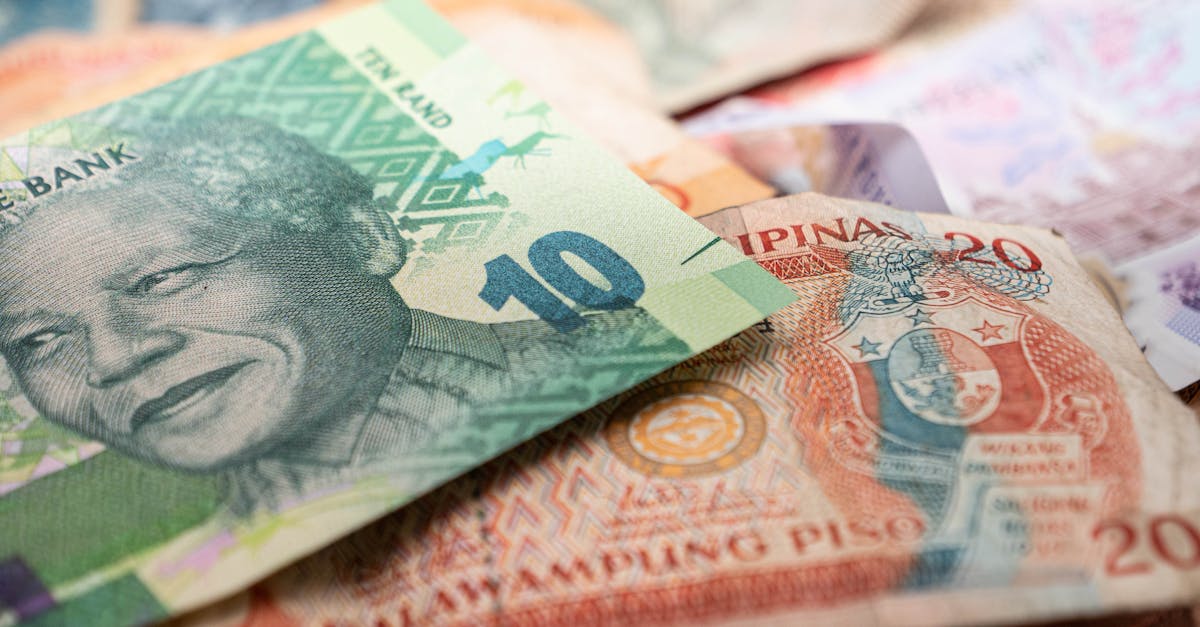
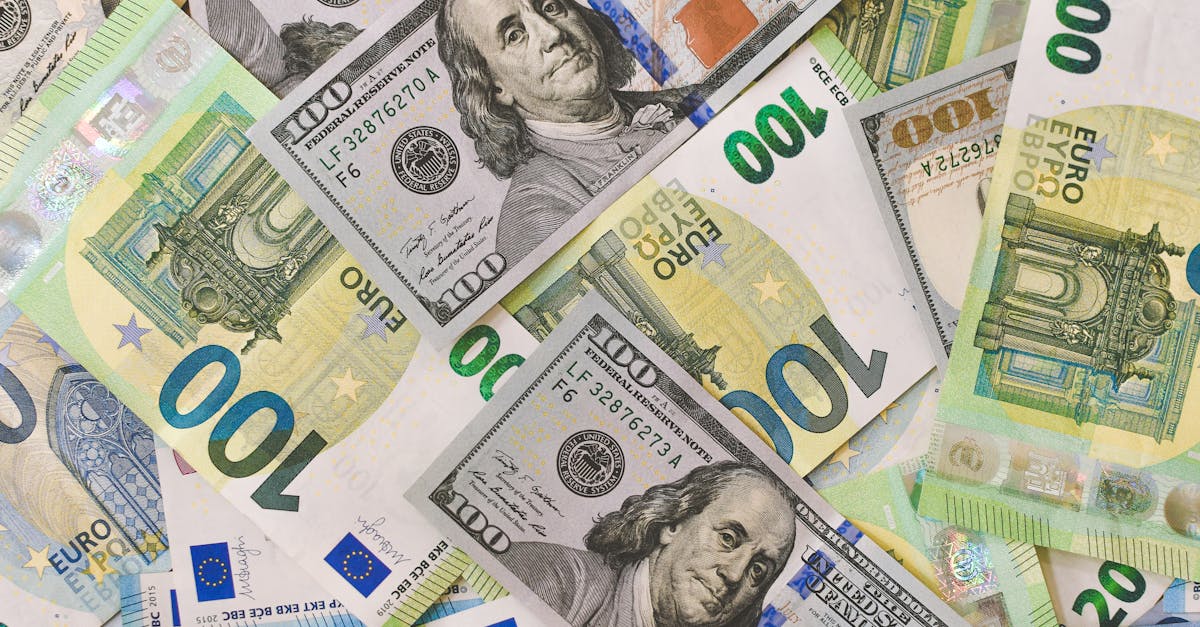
As they calculated costs, the Garcias realized that what had been a manageable profit margin now felt precarious. Their inventory cost had risen by 4.2% amid an inflationary environment, driven by factors both local and global. The family had learned to read the currency exchanges not just as numbers but as mirrors reflecting their future. The dollar’s buoyancy, now roughly equivalent to twenty pesos, meant that each dollar they paid to restock their goods felt heavier.
The Dance of Dollars and Pesos
In a world of fluctuating exchange rates, even small shifts can create waves. For the Garcias, the 3.63% interest rate set by the Federal Reserve posed another layer of complexity. Their small business loan floated against these rates, and as the Fed tightened monetary policy, monthly payments became a little more daunting. This was not just about imports. The cost of borrowing for expansion loomed larger, reminding Miguel of the fine line between seizing opportunities and overextending.
To put things in context: if the dollar increased its value against the peso, the impact rippled through local markets, affecting everything from their pricing strategy to cash flow. As the business owners sat there, their purchasing power drastically changed; a dollar on their account could now procure significant goods or barely scratch the surface of what they used to manage.
The Worker’s Perspective
Now imagine Mateo, just sixteen and eager to enter the work world. He hopes to save money for his first car. However, with the dollar’s strength impacting local job markets, companies like his father’s may postpone hiring or reduce hours. The unemployment rate sat at 4.3%, making entry-level positions less plentiful and competitive. Across town, students vying for the same positions were playing the game of currency exchange indirectly—hoping that favorable trade policies could ease their path to financial independence.
While Mateo spent his afternoons scouring online listings, his parents worried aloud about the wisdom of diversifying their goods. Would branching into American-made products reduce their reliance on imports and shield them from volatile exchange rates? They weighed this risk heavily, knowing their family’s financial future depended on timely decisions.
The Global Connection
The Garcias weren’t just a family in Austin; they were part of a larger tapestry, intricately woven into global economic patterns. As families across America faced similar challenges, the volatility in currency value was never just numbers on a screen. Each fluctuation, each interest rate move by the Federal Reserve, shaped lives and livelihoods, influencing everything from consumer choices to business opportunities.
The world of international exchange reverberated with each decision. With a strong dollar, travelers from the U.S. could experience foreign lands more affordably, but it was a double-edged sword for those whose businesses depended on imports. As they mulled over their options, the Garcias could visualize the global marketplace like a busy bazaar, bustling with negotiations and exchanges, all stemming from the strength of their own currency.
Back to the Kitchen Table
Around the same kitchen table where they had originally debated their future—Marie and Miguel couldn’t shake the feeling that every decision had consequences. Would they raise prices, limit inventory, or take a leap into diversification? The exchange rates served as a constant reminder that small changes can steer lives in unexpected directions, knitting the personal with the macroeconomic in ways only felt deeply at home. As they rallied their hopes, one thing was clear: navigating the currents of exchange rates would continue to test their resolve as a family, business, and community.