In a small town in Ohio, the Johnson family faces a dilemma that could be the plot of a compelling drama. On a crisp October evening, the dinner table buzzes with the excitement of their youngest son, Timmy, who has just won a geography contest. He beams as he shares his newfound knowledge about countries around the world, particularly how the U.S. trades with them. But as they dig into their homemade spaghetti, the conversation takes a sharp turn to household budgets and rising prices. While Timmy dreams of visiting Paris, his parents, Sarah and Tom, worry about the increasing costs of goods, especially electronics and imported foods.
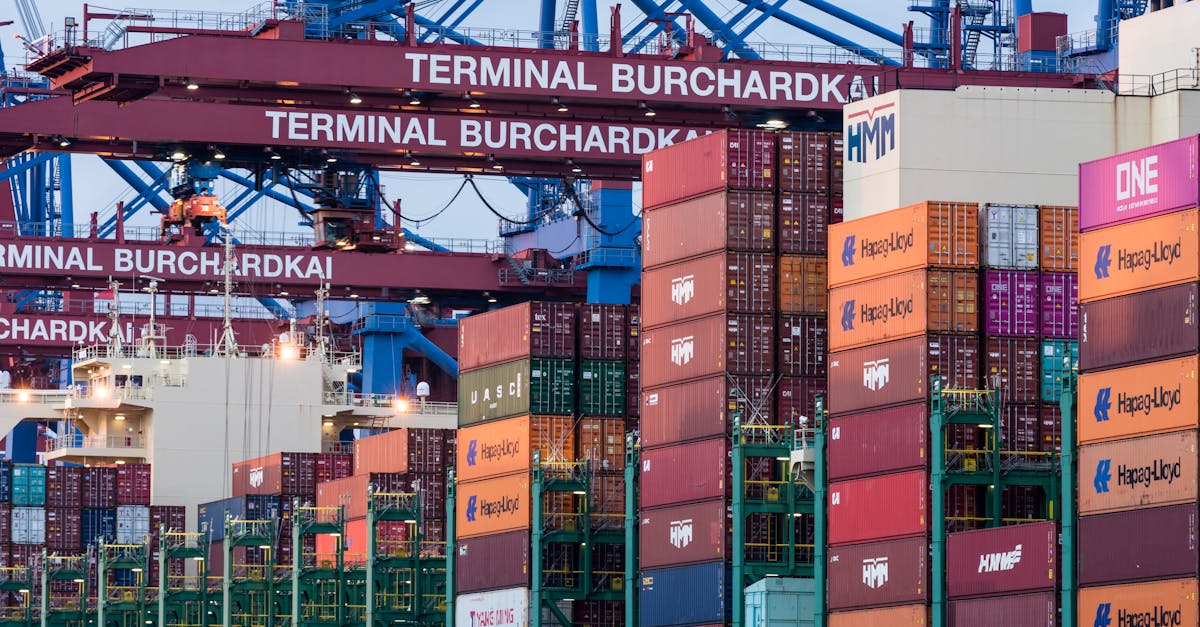
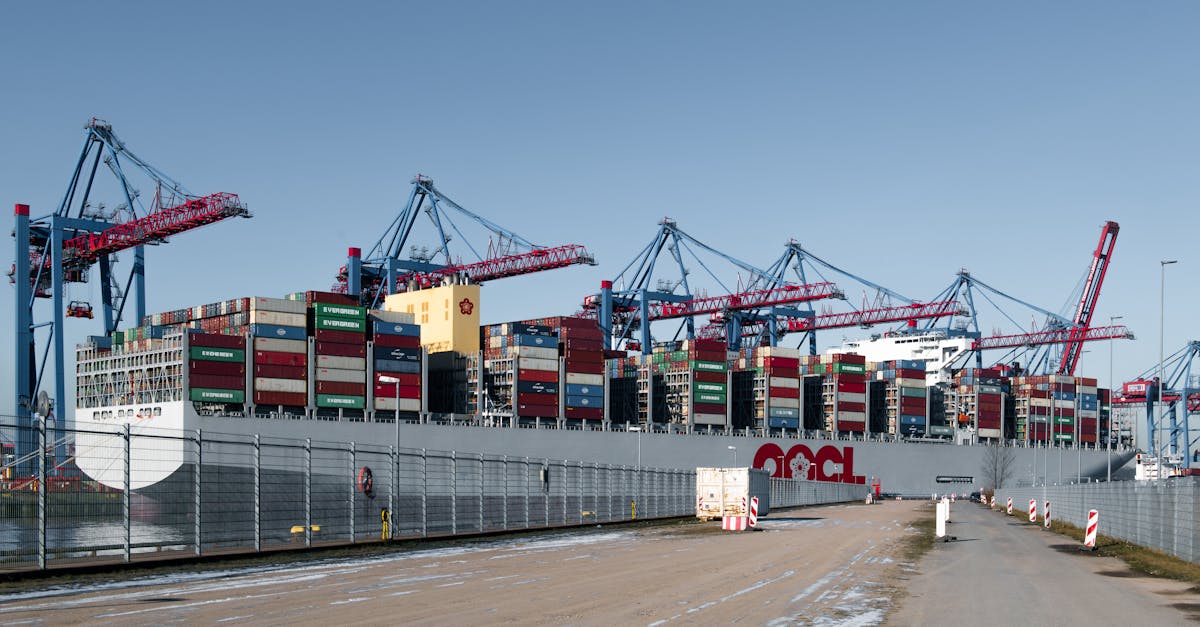
The latest trade balance data paints a nuanced picture. As of August, America’s trade deficit reached a staggering $68.3 billion, reflecting a disproportionate amount spent on imports compared to what the U.S. exports. To put it in more relatable terms, this deficit equates to about 1.9% of the country’s GDP. When the Johnsons consider that the U.S. imported nearly $335 billion worth of goods in August alone, they realize how interconnected their lives are with international markets. For instance, the smartphones Timmy dreams of owning are often sourced from overseas manufacturers, adding a layer of financial complexity to their aspirations.
The Business Behind the Scene
While the Johnsons grapple with their financial choices, nearby, a local electronics store called TechWave feels the pressure from the trade imbalance firsthand. Owner Lisa Chen recalls last year when she could stock popular products at competitive prices, but with the current trade scenario, her import costs have surged by approximately 12%. Lisa now finds herself passing these costs onto her customers, creating a dilemma: should she raise prices, knowing her regulars might not afford them, or absorb the losses herself?
In this landscape, American businesses are reacting creatively. TechWave innovates by spotlighting local products, tapping into the growing consumer interest in supporting domestic manufacturers. If Timmy’s school starts a project on local businesses, he might find more gadgets and toys made in the U.S.—a silver lining amidst the sales challenges posed by the trade deficit.
Workers Affected by Trade Dynamics
Meanwhile, across town, construction worker David Martinez watches the international scene closely. His brother recently landed a job at a company that manufactures components for automobiles, which are significantly affected by global trade dynamics. With less American-made steel and more reliance on imports, the prices for vehicle parts have swelled.
This push-and-pull manifests in David’s life as opportunities fluctuate—when auto prices rise, fewer people can afford new cars, which directly impacts David’s work availability. The Bureau of Labor Statistics reports that the construction industry added an impressive 168,000 jobs last month, yet David knows this is not just about numbers; it’s about the connections and livelihoods that depend on a balanced economy.
As trade conversations grow louder among politicians and economists, the Johnsons continue to focus on their dinner table discussions, illustrating how global trade impacts local lives. Sarah and Tom vow to be more mindful of their consumption, realizing that every dollar spent is connected to someone’s job or a business’s survival.
In this interconnected world, while Timmy’s dreams of future adventures may hang on delicate economic threads, the family’s commitment to understanding and adapting speaks volumes about resilience amid uncertainty. The trade balance shapes their community in ways they are just beginning to grasp, inviting them to find solutions both at their dinner table and in their hearts.