The Unexpected Buzz
Imagine the Rodriguez family in suburban Cincinnati, Ohio. They live in a quaint neighborhood where the morning air is filled with the familiar sound of lawn mowers and children laughing. Every third Sunday, they set aside time to catch up with their business-minded cousin, Elena, who runs a small manufacturing firm nearby. Recently, those conversations have shifted from family updates to the economic landscape affecting their lives.
Elena’s firm, which specializes in producing eco-friendly packaging, is at a crossroads. The last few months have seen a slowdown in new orders. She cites the rising interest rates and surging inflation as culprits. As of May 2026, inflation reached 4.2%, forcing many consumers to tighten their spending. This correlation isn’t lost on Elena, who notices that her biggest clients are exhibiting hesitation in placing larger orders.
The Tug-of-War for Resources
While discussing strategies over a Sunday barbecue, she explains how the Federal Reserve’s recent adjustment to interest rates—now standing at 3.63%—has created a careful balancing act for her business. Higher borrowing costs mean that for every dollar spent on machinery upgrades or factory maintenance, her company faces increased monthly repayments. To put it in perspective, for a $100,000 loan, a shift from a 2% interest rate to 3.63% adds about $1,600 to annual payments. It’s not a trivial difference for a firm already contending with squeezed margins.
Elena mentions that her best option, at this juncture, is to consider scaling back on her business expansion plans. While she’d hoped to invest in more sustainable materials, rising costs have made that a luxury she can’t afford right now. Instead, she contemplates focusing on optimizing current operations to improve efficiency—an indirect form of investment.
The Human Element
Meanwhile, the ripple effect of these decisions lands squarely on the shoulders of the everyday worker. David, who works at Elena’s factory, acknowledges the climate of uncertainty. At an unemployment rate of 4.3%, the job market is still stable but competitive. Though he enjoys job security, he feels the pressure. Wage growth isn’t keeping pace with inflation, making it harder to make ends meet for his family. “It’s like we’re all just trying to keep our heads above water,” he remarks.
The Rodriguez family relates to these struggles personally: rising grocery bills mean less Friday night takeout and higher daycare costs force them to rethink summer camp plans for their children. They are becoming more budgeting-oriented, tracking expenses meticulously—much like a business would when deciding on capital investments.
A Cycle of Choices
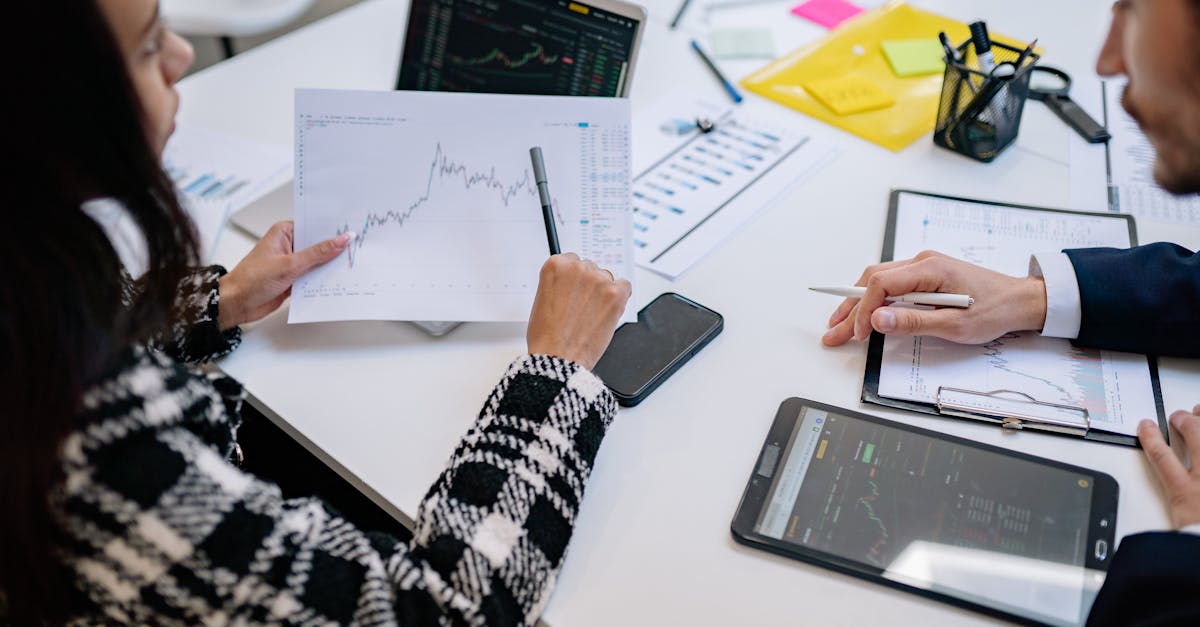
Against this backdrop, business investment becomes a crucial topic. For companies like Elena’s, the choice to invest—or not—has significant implications. If companies refrain from upgrading facilities or purchasing new technology, the economic growth they help stimulate also slows. With two-thirds of the U.S. economy driven by consumer spending, the resulting slowdown can create a self-perpetuating cycle that impacts everything from small businesses to the everyday life of families like the Rodriguez clan.
Elena’s strategic pivot instead of direct expansion might reflect a broader trend across the nation where decision-makers are opting for cautious adaptive strategies rather than bold bets. The measurable impacts of such choices extend throughout the community, emphasizing how interconnected personal and economic decisions are.
Coming Full Circle
So, as they finish grilling burgers, the Rodriguez family feels the nuances of the economic landscape weighing heavily on their minds. The sunny skies above mask the complexities of inflation, interest rates, and unemployment that ripple through their lives and those of their neighbors. What was once a casual family gathering now serves as a poignant reminder of how intertwined their small-town existence is with the larger picture of business investment and economic vitality. The stakes are high, and those conversations matter—not just in boardrooms but around dining tables across America.