The Ripple Effects of the Dollar: A Family’s Journey in a Global Economy
Imagine the Johnson family, a typical middle-class household in suburban Illinois. Every year, they look forward to their summer vacation, a cherished tradition that takes them to a lively resort along the beach in Mexico. This year, however, Jane Johnson, the family’s budget-conscious matriarch, has been closely monitoring the exchange rate between the U.S. dollar and the Mexican peso before making her plans.
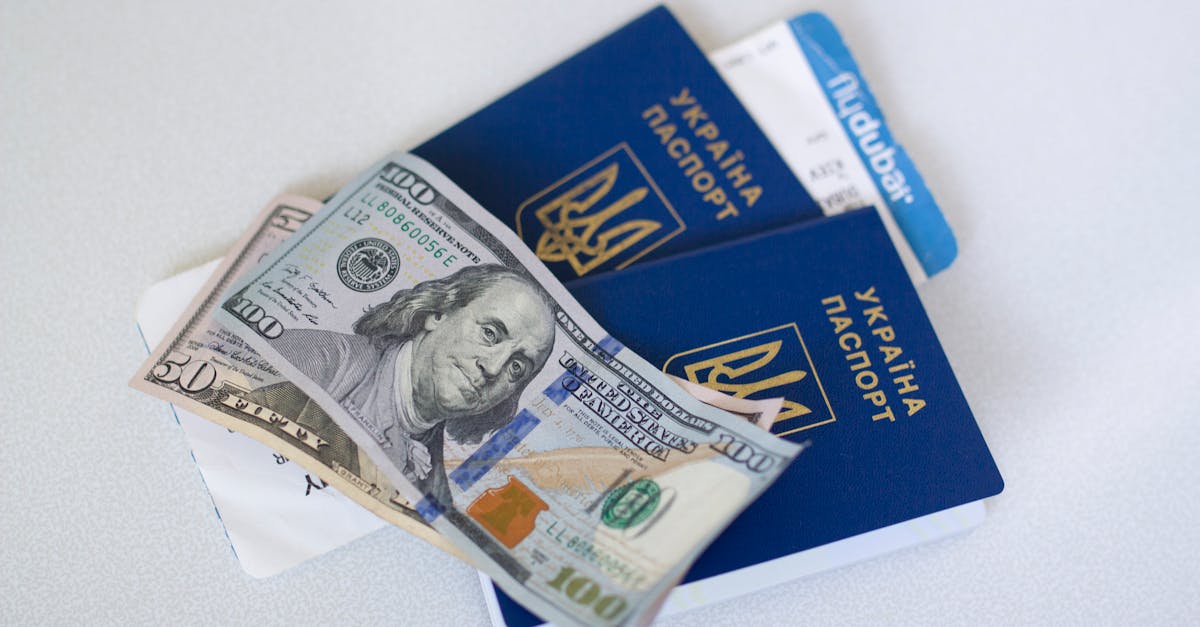
Just last month, the dollar was trading at roughly 18 pesos, a figure that was considerably better than the 15 pesos it stood at two summers ago. This change means that a family meal that once cost them 300 pesos, about $20, now feels like a steal at $16.50, thanks to the strengthening dollar. In Jane’s mind, it translates directly into splurging on an extra evening of fine dining or a waterpark excursion for the kids.
Dollars and Cents: How Currency Values Resonate at Home
As the Johnsons dive deeper into the vacation planning process, Jane’s husband, Mark, chimes in about the recent shifts in interest rates. With the Fed’s benchmark interest rate now at 3.63%, they’re mindful of how those rates impact not just borrowing costs but also their investments. The stock market tends to react in tandem with currency fluctuations—when the dollar strengthens, it often signals investor confidence, which also leads to increased stock valuations.
Consider how this year has shaped up economically. The Bureau of Labor Statistics (BLS) reported an inflation rate of 4.2%, maintaining its grasp on the wallets of everyday Americans. For the Johnsons, the inflation rate impacts everything from grocery shopping to travel expenses. The interplay of higher inflation and fluctuating exchange rates doesn’t just hit the wallet; it also affects Mark’s job in manufacturing, where export competitiveness hinges on the resilient dollar. If the dollar is strong, U.S. goods become more expensive abroad, potentially dampening demand from international markets.
How the World Interconnects
As the family starts to formulate their Mexico plans, they discuss what it takes to maintain their lifestyle amidst the complexities of a global economy. Currently, U.S. unemployment stands at 4.3%, but for many American workers, stable jobs depend on what happens beyond national borders—an ironic twist for a family planning an escape to a tropical haven. A strong dollar could lead to layoffs in export-centric sectors, limiting growth in domestic employment, exacerbating the concerns about shaky job security.
So, when Jane inputs their travel dates on an online booking site, she notices prices fluctuating dramatically, in part due to changes in the dollar’s strength. Just days before the exchange rate encouraged her to book hotels and activities with a much heftier budget, the dollar dipped in value due to geopolitical tensions. This rapid volatility keeps her on high alert, illustrating the broader implications of currency on personal finances.
Bringing It All Together
While planning for their vacation, the Johnsons are acutely aware that their summer getaway hinges on more than sun and surf. Each dollar they choose to exchange blends into the intricate tapestry of international finance—reflecting inflation, interest rates, and global markets. As the summer sun beckons, Jane might feel a moment of peace at the thought of sipping a cool drink on the beach, but she knows that the decisions made this year echo beyond their vacation plans.
In the larger scope, the Johnson family saga exemplifies the countless lives affected by exchange rate dynamics. Each strength and weakness of the dollar resonates through families, businesses, and workers across the nation, creating a delicate interplay that shapes everyday choices, spending habits, and ultimately the trajectory of personal and national economic health. As their summer adventure nears, the Johnsons remain hopeful that the dollar will continue to afford them the experience of a lifetime, navigating a world rife with economic uncertainties.