A Family’s Financial Odyssey
In the quiet suburb of Maplewood, the Wilson family sits at their kitchen table, enveloped in a poignant mix of hope and apprehension. Sarah, the mother, scrolls through stock market news while her husband, Mark, figures out their budget for the month. With soaring prices affecting their groceries and gas, a casual mention of high inflation—currently at 3.3%—makes Sarah pause. They’ve invested modestly over the years, yet the economic landscape feels like a tide rapidly pulling them under.
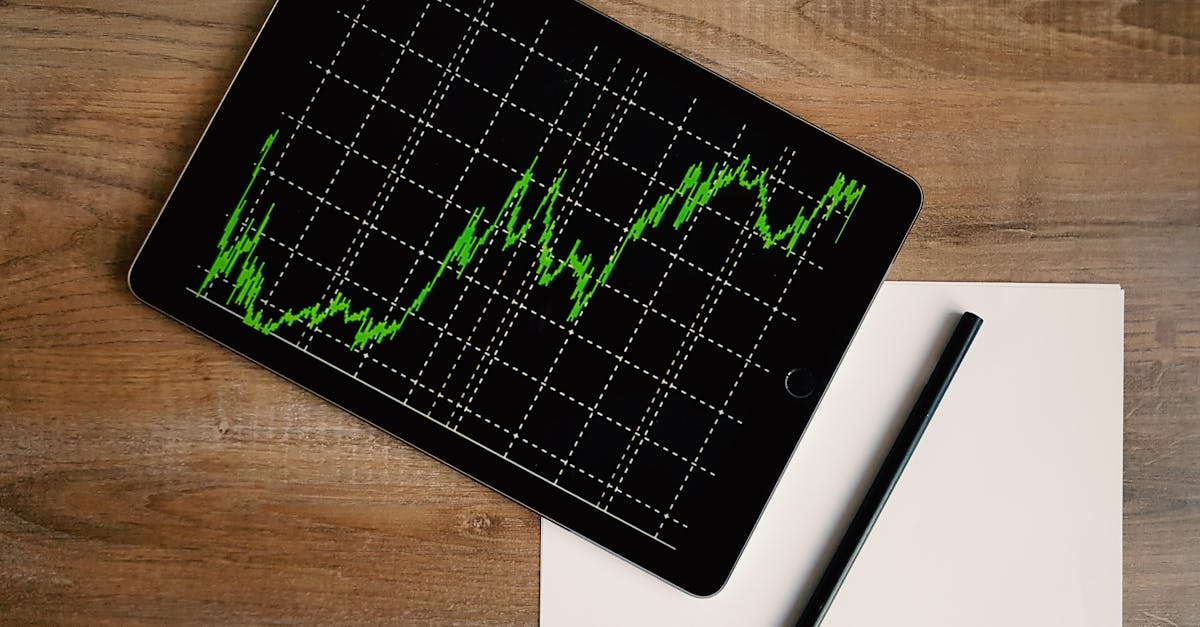
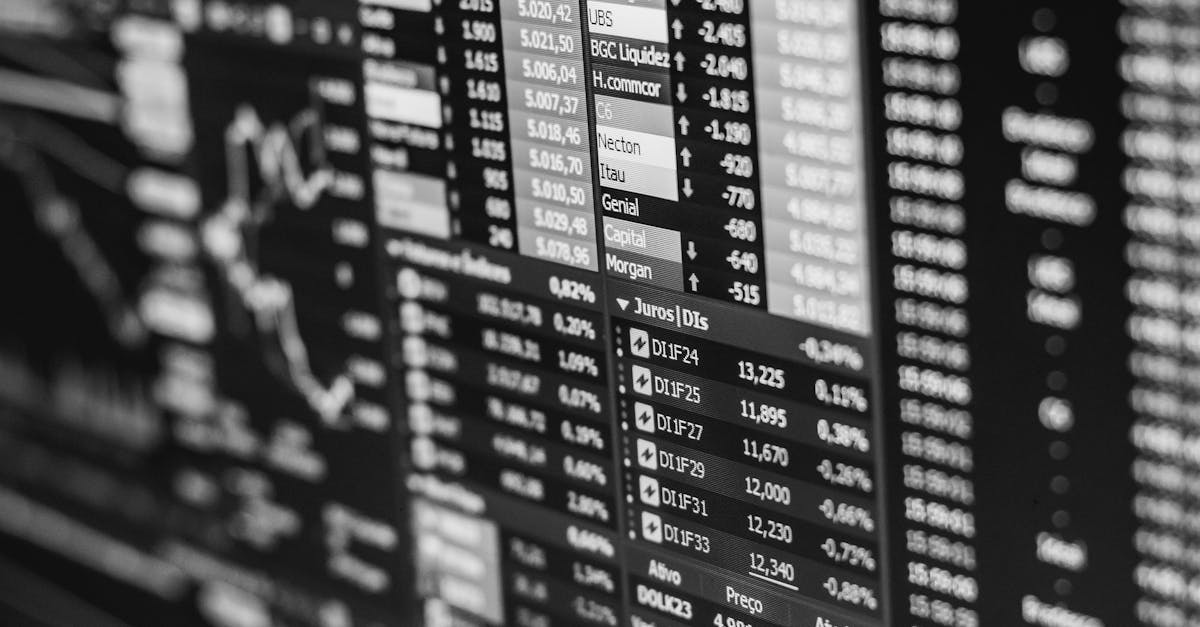
As Mark jots down their bills, he recalls their earlier discussions about their investments. They bought shares in a few tech companies that once dazzled with rapid growth. Today, the S&P 500 index has posted some volatility, hovering around levels that once felt like a distant dream and at points reflecting the uncertainty of an economy still grappling with inflationary pressures.
Volatility as a New Normal
The fluctuations in the stock market resonate with the family’s bottom line. When they first started investing, they could easily imagine their portion of mutual fund holdings growing, but now, the weight of ongoing inflation presses down on their ambitions. Often, they liken it to watching their savings evaporate like ice on a summer sidewalk; it feels precarious and out of their control.
With inflation rates pinned at 3.3%, the cost of everyday items like groceries and household necessities didn’t just creep up—they leaped forward. In the last year, the average grocery bill for an American family has soared by approximately $500. Mark looks wistfully at how their money seems to stretch less far as prices rise.
Interest Rates and Strategic Moves
Across town, business owner Jenny Nguyen faces her own challenges. As she contemplates expanding her bakery, rising interest rates, now at 3.64%, loom in the background like a thundercloud. Borrowing to fund growth at this stage feels risky. The decision weighs heavily on Jenny as she considers hiring more staff—a move that could help alleviate some of the 4.3% unemployment rate affecting her community.
For Jenny, each cupcake sold translates not only to immediate income but also to the health of the family behind it. She’s paying attention to the market and considering how consumer spending shifts in tandem with stock performance. If the markets stabilize and reflect more optimism, perhaps that small business loan won’t break the bank. Such shifts can create a ripple effect, allowing families like the Wilsons to feel more secure in their financial choices.
The Interconnected Web of Economics
Back at the Wilson household, the conversation turns to their dreams—travel to distant shores, a new car, and maybe a second home one day. They rely on the prosperity of the stock market to cushion their aspirations. Yet, the emotional toll is palpable as they discuss market reactions to chaotic events, both domestic and international. The family can visualize their financial health tightening with every dip in the markets.
Herein lies the heart of the matter. Economic fluctuations don’t exist in silos; for the Wilsons and countless families across the nation, the repercussions echo through every decision they make, affecting how often they dine out, how they plan their vacations, or even how they view education as a lifelong investment.
A Glimpse of Hope
Yet, in this landscape adorned with uncertainties, there’s a flicker of hope in the air. As the stock market oscillates, businesses like Jenny’s are finding ways to innovate and adapt. The prospect of future growth spurs entrepreneurial spirit, underscoring a truth that transcends numbers: community resilience. Families like the Wilsons remind themselves that while macroeconomic indicators can be daunting, their choices, habits, and investments in skills define their paths.
As Sarah closes her laptop, she reflects on her family’s journey—a mixture of dreams and reality bound by financial mathematics and personal aspirations. They return to the heart of their home, knowing that even amidst market volatility, the bonds they share and their determination to navigate the future can outweigh the economic storm.