70% Price Increases Over Five Years
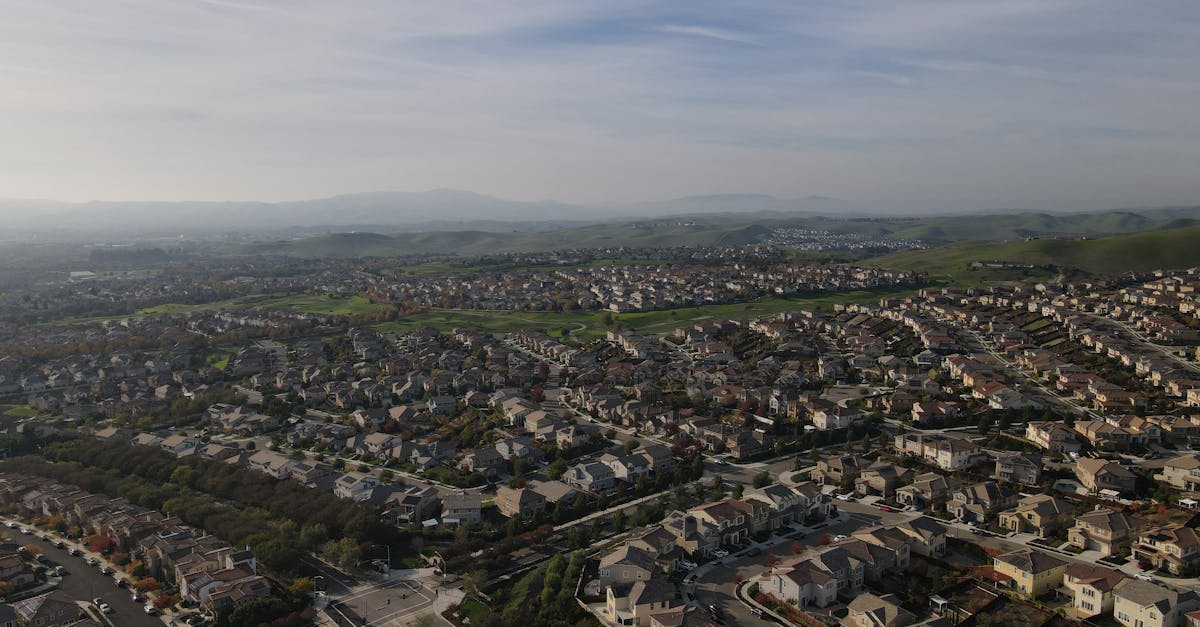
Home prices in the United States soared by a staggering 70% from 2018 to 2023, according to data from the Federal Housing Finance Agency. This spike has redefined the very notion of homeownership for many, as families grapple with affordability amidst rapidly escalating costs.
The Shifting Landscape
While many anticipated a correction after the pandemic boom, the reality has unfolded differently. The median sales price for existing homes hit $412,300 by August 2023, up from $242,800 just five years prior, creating a formidable barrier for first-time buyers. Supply chain issues, ongoing labor shortages, and shifts in consumer preferences have kept inventory levels low, with only 1.1 million homes available for sale, according to the National Association of Realtors.
Rising Interest Rates and Mortgage Costs
Compounding the crisis, the Federal Reserve’s interest rate hikes have pushed mortgage rates to a 20-year high, averaging 7.2%. A year ago, rates hovered around 3.06%. Consequently, even with a declining home price growth, affordability continues to erode as monthly payments consume an increased share of household income.
Who’s Left Behind?
Affordability constraints primarily affect younger buyers and low- to middle-income families. Data from the Joint Center for Housing Studies shows that in 2023, the share of first-time homebuyers slipped to 25%, down from a historical average of 40%. The dream of homeownership now feels elusive for many, with housing costs often consuming over 30% of a family’s income.
Impact on Rental Markets
As homeownership dwindles, the rental market is also feeling the strain. Rental prices surged by 13% nationwide over the last year, reaching an average of $2,044 per month, according to Apartment List. This situation has forced many families to remain in rental properties longer than planned, leading to increased competition and a tightening rental market.
Policy Measures in the Spotlight
In light of this crisis, policymakers are under immense pressure to intervene. Proposals for tax credits, down payment assistance programs, and zoning reforms are gaining traction. However, tangible changes will take time to materialize, leaving many to navigate an increasingly complex and challenging housing landscape alone.
The Path Forward
As the economy adjusts to these gripping market conditions, buyers and sellers alike are left to ask how long prices can continue to climb and when the market might find some semblance of balance. With these dynamics in play, the next steps will be closely monitored across the nation.