Understanding America’s Regional Economic Disparities
How does the economic landscape in the United States vary from one region to another? The disparities manifest not only in the cost of living but also in employment opportunities, income levels, and inflation effects experienced by residents.
The North-South Divide: A Closer Look
The differences between the North and South provide a vivid illustration of regional economic dynamics. For decades, the South has seen a surge in population, attracted by lower costs and favorable climates. This population growth has sparked job creation, especially in sectors like manufacturing and healthcare. However, the speed of growth hasn’t uniformly translated into economic stability for all its residents.
- Surging Population vs. Job Availability: As new residents flood into Southern states, they encounter both opportunities and challenges. The influx can strain local infrastructure and social services, complicating access to adequate education and healthcare.
- Employment Variance: In May 2026, unemployment sat at 4.3% nationally, but regional variations highlighted a troubling pattern. Southern states such as Texas and Florida boasted lower unemployment rates, often around 3.5%, whereas areas in the Rust Belt faced joblessness upwards of 5.5%.
The consequence? Communities in the South are thriving economically, yet this is often mitigated by income disparities. While median household incomes are rising, the growth is not uniform; many rural areas lag behind, unable to keep pace with urban centers.
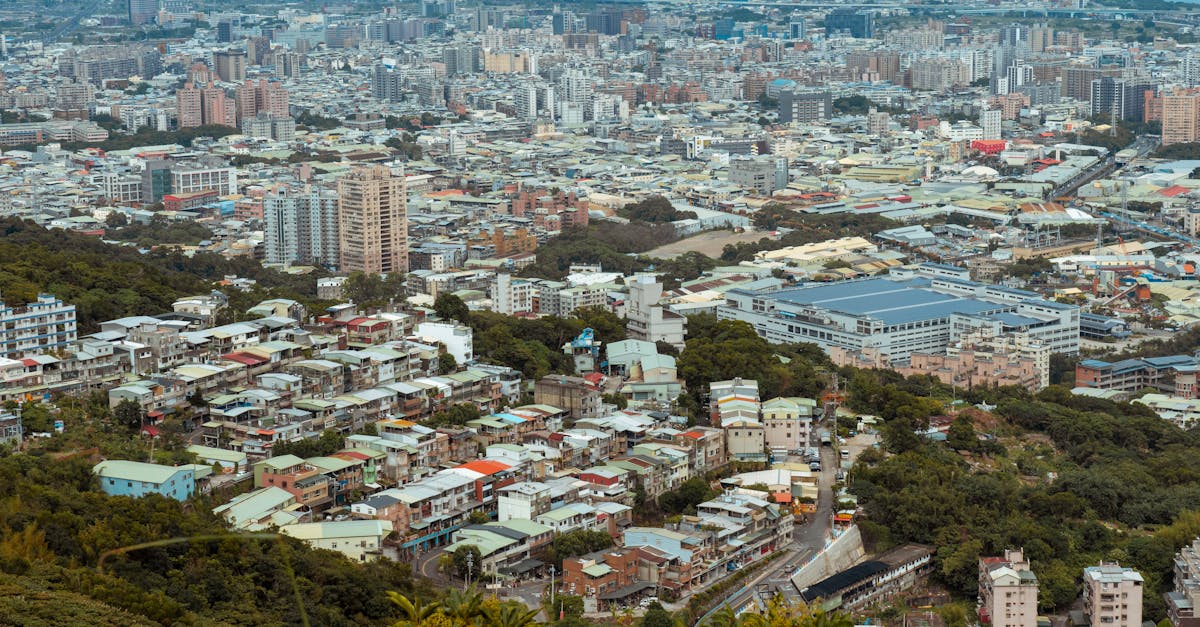
Urban vs. Rural Economics: A Tale of Two Worlds
The urban-rural divide extends beyond just geographical boundaries; it encapsulates access to economic opportunities and quality of life. Urban centers like San Francisco and New York City often showcase high-energy economies with innovative sectors driving growth. However, the cost of living in these cities can be staggering.
Mechanisms at Play
- Wage Stagnation in Rural Areas: While urban wages are soaring, many rural communities are seeing stagnant wages as industries either migrate or transform. For instance, agriculture and resource extraction are mainstays, but they lack the dynamism seen in tech-driven urban economies.
- Higher Cost of Living in Cities: As urban populations swell, so too does demand for housing and services, pushing costs higher. Inflation in urban areas contributes significantly, currently recorded at 3.8% nationally as of April 2026, but local figures can vary widely. Residents in high-cost cities face an increased burden, leading to a greater gap in disposable income.
Key Figures
- Current Economic Indicators:
- Inflation Rate: 3.8%
- National Unemployment Rate: 4.3%
- Federal Interest Rate: 3.63%
Future Outlook: What to Watch
As we look ahead, it’s essential to monitor how regional policies respond to these disparities. State governments in both high-growth and stagnant regions are focusing on workforce development initiatives, tax incentives for businesses, and infrastructure improvements to bridge the gap.
Particularly noteworthy is the shifting Federal Reserve policy on interest rates, currently at 3.63%. Should rates change significantly, the ramifications on mortgage rates and business borrowings will disproportionately impact regions differently, perpetuating or alleviating existing economic divides. Keeping a close eye on these shifts will provide insight into how investors and lawmakers adapt to these ongoing challenges.