How does geography shape economic well-being in the U.S.?
Regional economic differences in the United States present a compelling study in how geography influences the livelihood of its citizens. Various factors contribute to these disparities, including industry presence, population density, and state policies. The result is that Americans in one region can face starkly different economic realities than those in another.
The Cause Behind Disparities
Certain regions are endowed with unique resources or industries, leading to distinct economic profiles. For instance, the South and Southwest are rich in energy resources, like oil and natural gas, while the Northeast leans toward finance and technology.
- Industry Variation: These dominant sectors dictate employment and wage levels. For example, in high-tech hubs like Silicon Valley, salaries soar due to intense demand and skill shortages, while traditional manufacturing areas in the Midwest face stagnation.
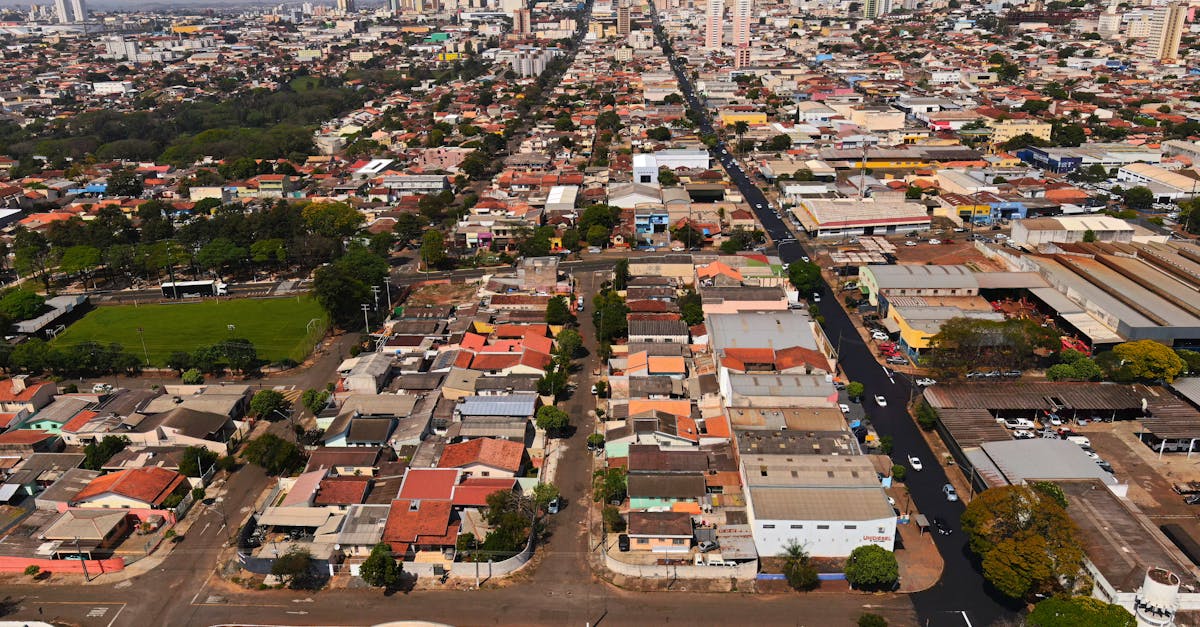
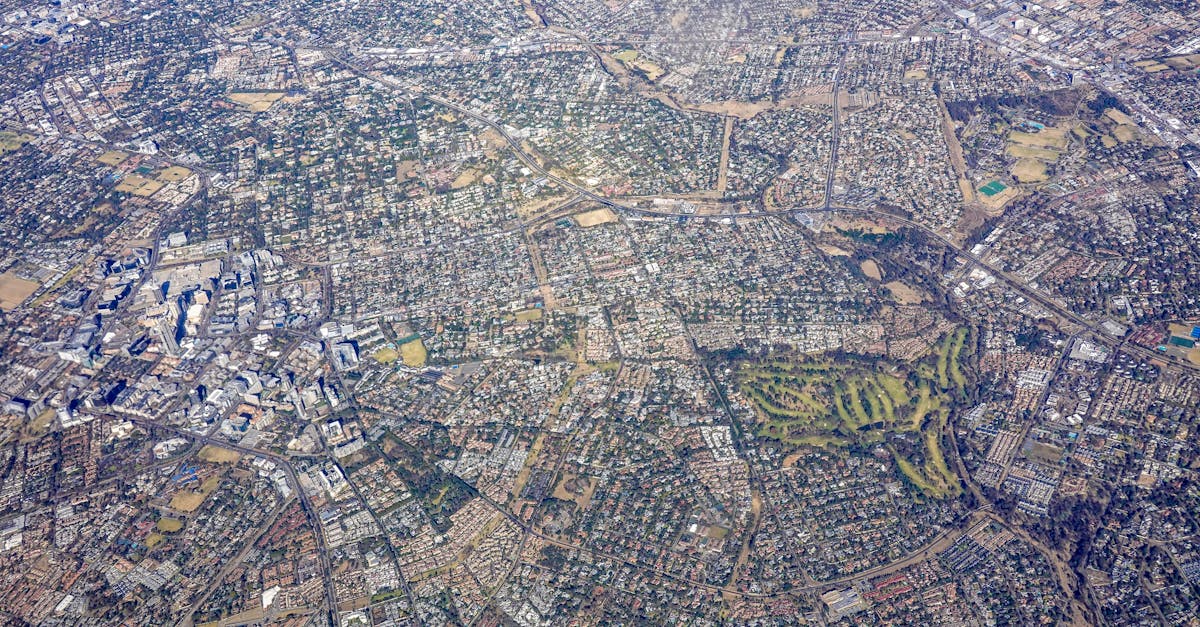
- Demographic Factors: Population density and urbanization also come into play. Dense urban areas attract talent and investment, leading to innovation and growth, while rural regions often struggle to retain young people, further isolating their economies.
The Mechanism of Economic Impact
These regional economic structures do not simply exist in isolation but interact in complex ways. When industries thrive in specific areas, they can create a feedback loop:
- Job Creation: A growing tech sector in a city means more jobs, attracting individuals seeking employment.
- Consumer Spending: With more residents earning higher wages, local businesses flourish due to increased consumer spending.
- Investment Attraction: Success breeds success; thriving economies attract further investment, catalyzing expansion or the establishment of related businesses.
Conversely, regions reliant on a single industry face vulnerabilities. The downturn of coal in Appalachia serves as a cautionary tale: job losses lead to reduced spending power, further leading to local business closures. These cycles of decline leave lasting scars on communities and can destabilize local economies for years.
Effects on Real People
Real people are the heart of economic dynamics. For someone in a growing metropolitan area, a vibrant job market translates into opportunities and higher living standards. Conversely, an individual from an area experiencing decline may grapple with unemployment and diminished prospects.
- Case Study: In coastal cities, high wages paired with rising costs of living might push low-income workers further from the urban core, creating a divide between affluent suburbs and struggling urban centers.
- Civic Impact: Local governments in distressed areas often face budget constraints due to declining tax revenues, which can limit essential services, such as education and public safety, exacerbating problems.
Regional Economic Snapshot
- Inflation: 4.2% (BLS)
- Unemployment: 4.3% (BLS)
- Interest Rate: 3.63% (FRED)
What to Watch
As the U.S. grapples with persistent inflation, which affects purchasing power unevenly across regions, observe how different local economies respond. Rising interest rates could further exacerbate disparities—those in declining sectors may find it harder to access credit, while booming industries might see continued growth in investment. The integration of remote work could also change regional competitiveness, allowing talent to migrate from high-cost areas to lower-cost, growing regions without sacrificing career advancement.
Understanding these dynamics will be crucial for policymakers aiming to implement targeted interventions that promote economic equity.