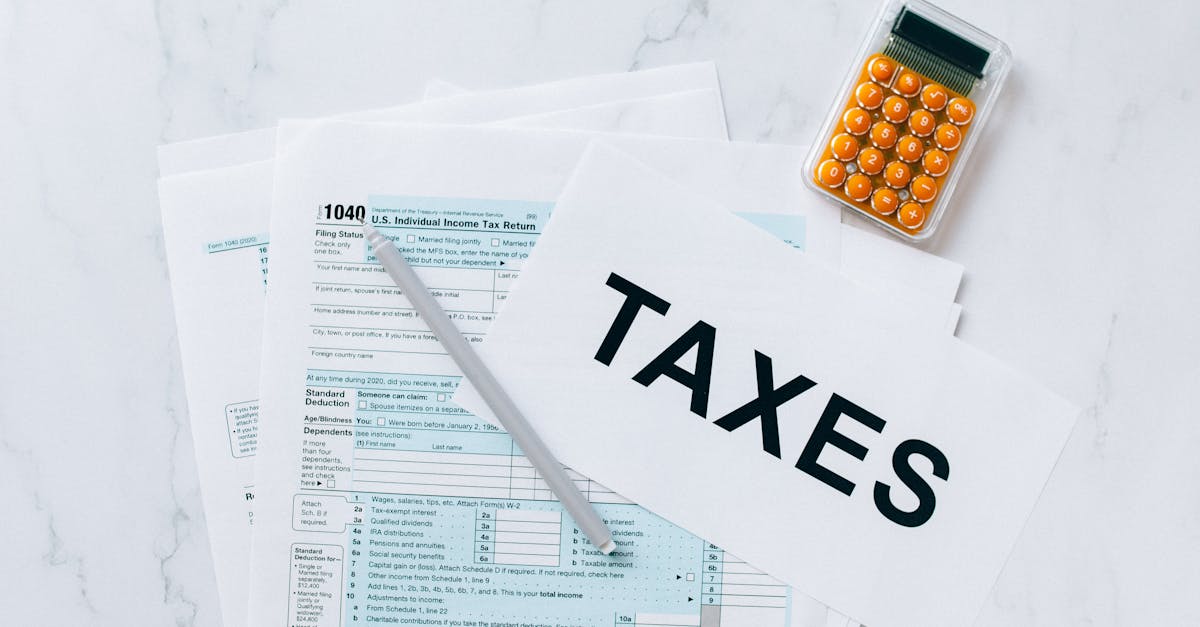
How Does the U.S. Tax System Shape Economic Realities?
The U.S. tax system serves as a backbone for public financing, acting as a pivotal mechanism that influences everything from healthcare to infrastructure. But how does this system translate into tangible effects on the lives of working Americans?
The Mechanism of Taxation
Taxes in the United States incorporate several types, each targeting different income brackets and activities, including:
- Federal Income Taxes: A progressive structure, where higher earners pay a larger percentage of their income.
- Payroll Taxes: Funding Social Security and Medicare, this is a flat rate applied to wages.
- Sales and Property Taxes: Local revenues that directly affect community services.
Understanding the interplay of these taxes helps clarify how money flows from individuals to public services. For instance, as the federal government collects income taxes from workers, it allocates these funds toward essential services like education and public safety while providing social safety nets for the most vulnerable sectors of the population.
The Ripple Effect on Real People
When tax policies change, whether through new legislation or shifting enforcement, the impact is often felt immediately by people across various demographics:
- Higher Income Earners: An increase in tax rates could lead to reduced disposable income. For example, in 2026, households in the highest tax brackets faced substantial tax burdens amid a fluctuating job market.
- Low to Middle-Income Workers: With a federal income tax rate structure, many experience some relief through credits and deductions, but inflation can erode this benefit. As of March 1, inflation is reported at 3.3%, making essential goods pricier and squeezing household budgets.
- Unemployed Individuals: With unemployment sitting at 4.3%, those out of work rely heavily on social safety nets funded by tax revenue. Reductions in these programs not only impact individual lives but can undo decades of economic stability for entire families.
The dynamics created by tax rates can motivate spending or saving, thereby influencing overall economic growth. As consumers adjust their purchases based on net income after taxes, local businesses often feel the immediate impact – either thriving or struggling based on their customer base’s financial health.
Navigating the Numbers
Here are some notable figures that set the stage for understanding the U.S. tax landscape:
- Current Inflation Rate: 3.3%
- Unemployment Rate: 4.3%
- Interest Rate (FRED): 3.64%
These numbers illustrate the economic backdrop against which the tax system operates. Higher interest rates can affect mortgage payments and business loans, further influencing taxpayer behavior.
Looking Toward the Future
As the debate around tax reform continues, policymakers are increasingly focusing on equitable methods for sustaining public services amid rising expenses and fluctuating economic indicators. One focal point will likely be how tax policies can evolve to mitigate the effects of inflation on consumer spending, ensuring that essential public goods remain accessible to all citizens.
What to watch in the coming months includes proposed changes to income tax brackets, potential expansions on tax credits for lower-income families, and adjustments to payroll tax structures aimed at maintaining robust public funding while alleviating economic pressures. Monitoring these debates will provide insights into the future landscape of taxation and its profound consequences on everyday Americans.