A Stubbornly Stable Rate
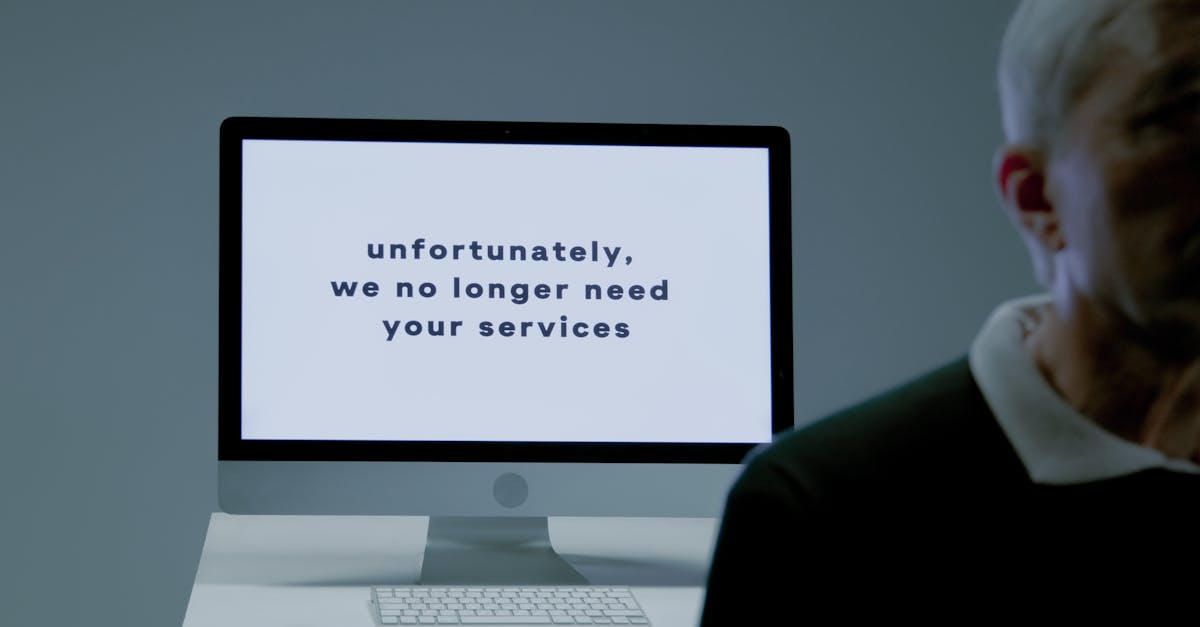
The U.S. unemployment rate has settled at 4.3%, presenting a perplexing snapshot amid shifting economic winds. This figure, seemingly stagnant, contrasts sharply with the post-pandemic recovery trajectory, raising questions about labor market vitality and the incoming economic currents.
Contextualizing the Numbers
When compared to the last year, the current rate mirrors the stability that the economy has shown since emerging from the COVID-19 disruptions. In March last year, the rate stood at 4.5%, indicating only a slight improvement in job availability. The rest of the developed world offers a stark contrast; the average unemployment rate across the OECD countries is around 5.3%, suggesting that while the U.S. has managed to keep joblessness in check, there is little room for complacency, particularly when analyzed against a backdrop of persistent inflationary pressures.
A Global Perspective
The U.K.’s unemployment rate lingers at about 4.2%, while Germany fares marginally better at 3.2%. This juxtaposition underscores an unsettling reality—although the U.S. has maintained a relatively low unemployment rate, the challenge lies in not just job creation but in job quality and workforce participation.
Challenges Beneath the Surface
Further complicating the landscape, the labor force participation rate, which hovers around 62.7%, remains below pre-pandemic levels of 63.4%. This signals that many individuals, particularly those in prime working age, either remain sidelined or disengaged from the job market altogether. A deep dive into the numbers reveals disparities across demographics: the jobless rate for Black Americans is 7.1%, compared to 3.7% for their white counterparts. These figures hint at persistent inequalities that risk long-term economic growth and stability.
You Can’t Manage What You Don’t Measure
Job openings peaked in February, marking 11.2 million available positions—an apparent testament to demand. However, with two open jobs for every unemployed person, the paradox of an apparent labor shortage emerges. Potential mismatches in skills and regional disparities in job availability may explain why growing jobs do not correspond seamlessly to falling unemployment rates. The gap between available jobs and unemployed individuals requires immediate attention from policymakers, who need to tackle the skills mismatch and consider training initiatives.
Looking to the Horizon
Navigating forward, there’s more than meets the eye with the labor market. Rising interest rates and inflation challenges pose potential threats, as companies realign their staffing strategies in response. Employers might adopt a cautious approach, offering fewer positions or scaling back on hiring. As we delve deeper into the uncertain economic climate, we must ask: can we sustain this labor equilibrium or are we teetering on the edge of recalibration? Only time will tell, but the underlying currents of economic policy and public sentiment may dictate the path ahead.